
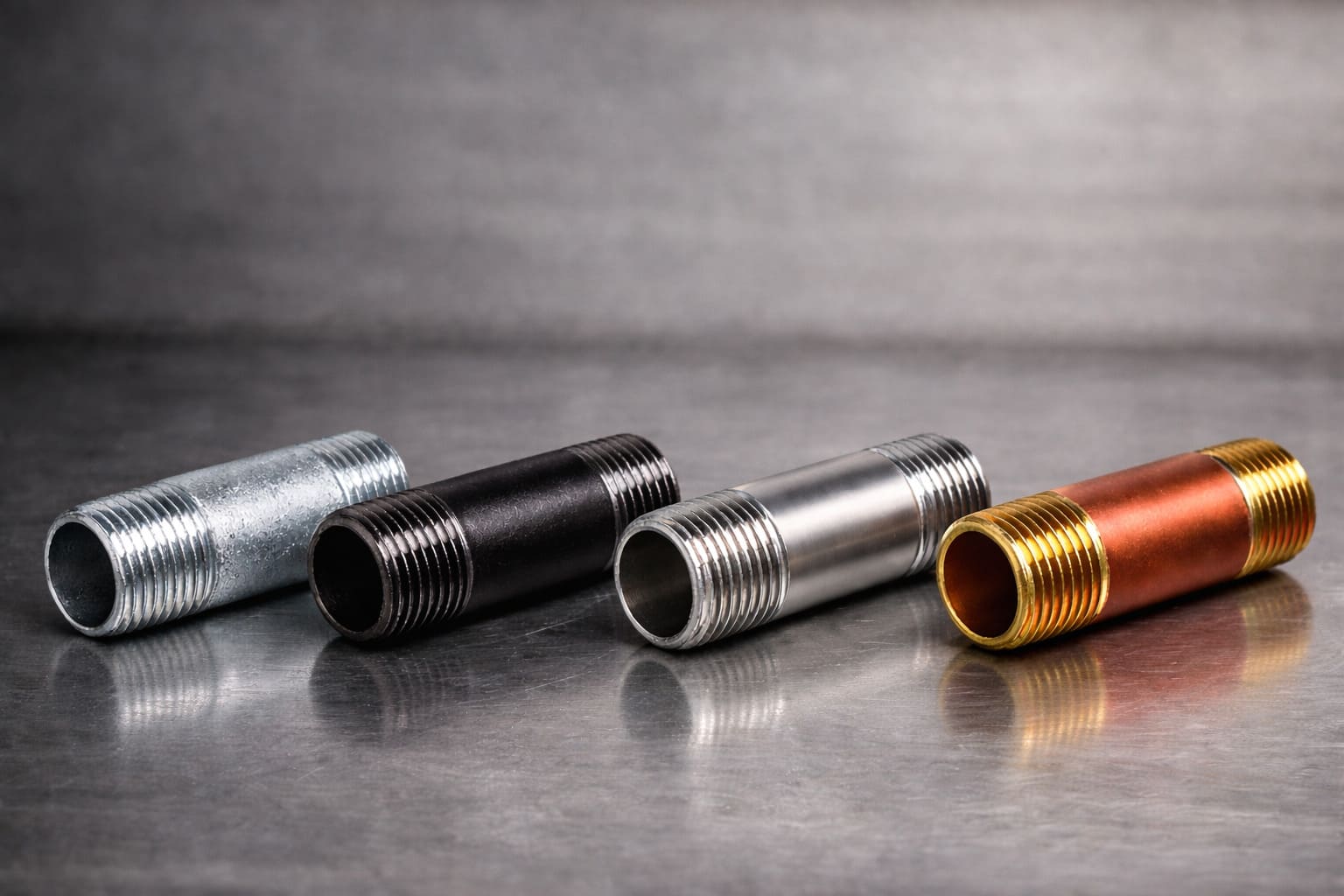
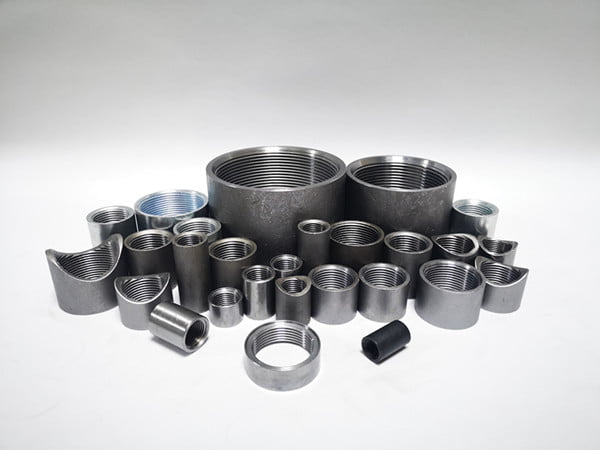
What is a black pipe nipple used for?
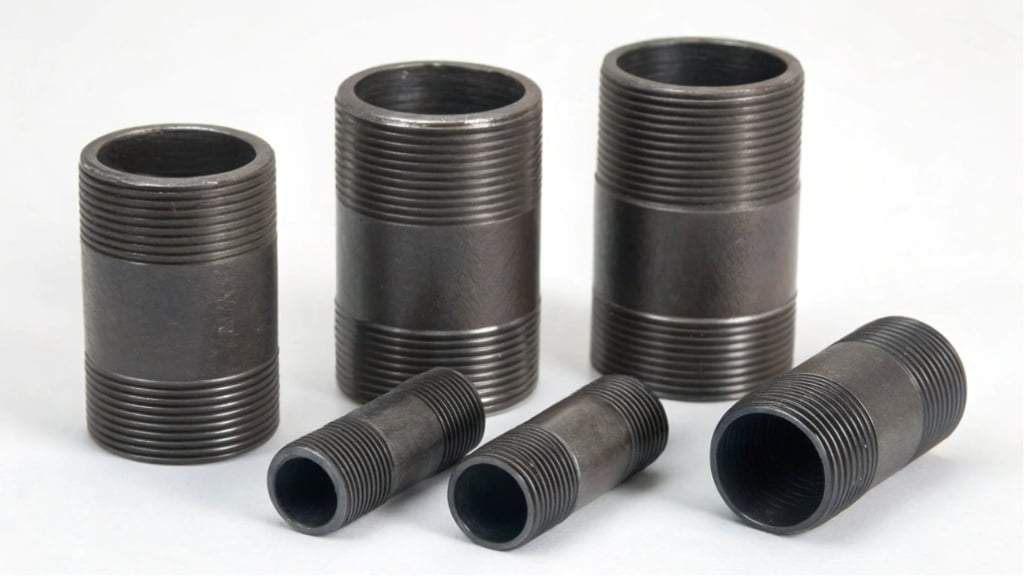
What is a Black Pipe Nipple Used For? Ever looked at plumbing or engineering projects and seen those short, threaded pipe pieces connecting things? Chances are, you’ve spotted a pipe fitting nipple. And one of the most common types you’ll encounter, especially for its durability and distinct look, is the black pipe nipple. But what exactly is it, and what is a black pipe nipple used for? Let’s break it down in simple terms. What Exactly is a Black Pipe Nipple? Think of it as a short connector. A black pipe nipple is a short piece of steel, usually made from steel, featuring male threads on both ends. These threads allow it to screw into other threaded pipe fittings or pipes, creating a secure connection. The “black” refers to the dark color of the carbon steel, which comes from the manufacturing process (often a protective oxide coating). This distinguishes it from galvanized nipples (which have a zinc coating). It’s a fundamental pipe fitting nipple designed to bridge gaps or connect components in a piping system. So, What Are the Main Applications of Black Pipe Nipples? The versatility of the black pipe nipple makes it useful in many situations, especially for engineering projects and home improvement. Here are some common uses: Connecting Other Fittings: This is its primary job. You can use a nipple to connect two female-threaded fittings, like elbows, tees, or couplings. Extending Pipe Runs: Need to make a pipe section a little longer? A nipple can connect two longer pipes or a pipe to a fitting to add that necessary length. Bridging Gaps: Sometimes you have a small space between two points that needs connecting. A short nipple is perfect for this. Low-Pressure Applications: While often associated with gas lines (where professional installation is always required), black steel nipples can also be used in other low-pressure fluid or air systems, depending on local codes and the specific application. In short, anywhere you need to connect two threaded pipe components over a short distance, a black pipe nipple is likely the tool for the job. Understanding Black Pipe Nipple Sizes Just like pipes themselves, black pipe nipples come in various nipple sizes. Choosing the correct size helps you to have a proper, leak-free connection. Matching Size: The pipe nipple sizes need to match the size of the pipes or fittings to which you are connecting it. Standard pipe sizes (like 1/2 inch, 3/4 inch, 1 inch, etc.). Length Matters Too: Nipples come in different lengths, from very short (“close” nipples where the threads meet in the middle) to several inches long. The length you need depends on the gap you’re trying to bridge or the specific design of your project. Knowing the required nipple sizes is the first step before purchasing. Why Choose Black Carbon Steel? Why opt for a steel nipple with a black finish? Durability: Steel is robust, making it suitable for many applications. Cost-Effective: Black steel is often more affordable than galvanized or other materials. Aesthetics: Many people choose black steel because it’s a strong, industrial look for furniture or decoration projects. Finding the Right Black Pipe Nipple When you’re ready to buy, remember to consider: The required nipple sizes (diameter and length). The specific use case (connecting pipes, building furniture, etc.). The type of threads needed (though most standard pipe nipples use NPT threads). Conclusion A black pipe nipple is a small but essential pipe fitting nipple. This connector is made from strong steel and is important for many uses, from simple piping to complex plumbing projects. Understanding the different nipple sizes and their uses helps you confidently choose the right one for your needs. When fixing a pipe or doing any engineering work, having a black pipe nipple in your toolkit is essential.
BSPT vs. NPT: How to Distinguish and Select Them?
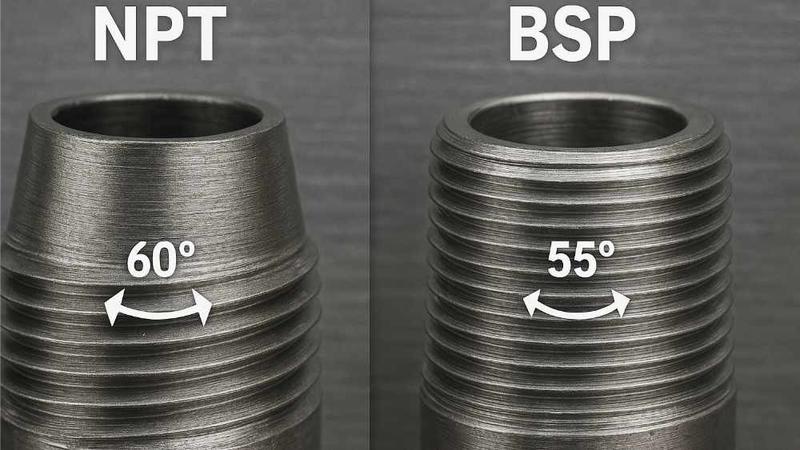
What is the NPT Thread? NPT (National Pipe Thread) is an American standard taper thread that features a specific taper angle, sealing achieved through extrusion between threads. NPT thread belongs to the ANSI/ASME B1.20.1 standards. The NPT thread is widely used in America, parts of the Middle East, water heat, fire sprinkler, petrochemical, and gas industries. What is BSPT Thread? BSPT (British Standard Pipe Taper Thread) is a British Standard taper pipe thread. The BSPT thread executive standard is ISO 7-1/BS 21. The BSPT thread is a type of taper thread, similar to the NPT thread, but it differs in tooth profile angle, sealing method, and pitch. The BSPT thread is one of the widely used pipe threads globally, especially in Asia, Europe, the Middle East, and Australia. Features of BSPT Thread VS. NPT NPT Thread BSPT Thread Taper 1:16 taper 1:16 taper Thread Angle 60° V-thread angle (standardized with general American threads) 55° rounded tooth peaks/roots (Whitworth threads) TPI (Example) 1/2″ NPT:14 TPI 1/2″ BSPT → 11 TPI Although BSPT and NPT have similar taper threads, their processing references and tooth profile geometries are different; they cannot be used interchangeably. The 60° V-thread angle of the NPT thread and the 55° of the BSPT thread are key differences between BSPT and NPT. NPT and BSPT pipes cannot be used interchangeably due to their differences in TPI (Threads Per Inch), tooth angles, and shapes. NPT threads, whether female or male, are all taper threads; but, with BSPT threads, the male thread is tapered, and the female threads are parallel or tapered. To ensure compatibility, the NPT female thread must be connected to NPT male thread fittings, while the BSPT female thread must be connected to BSPT male thread fittings. This guarantees that the pipeline system is properly connected, compatible, and sealed. FAQ How can you choose the most suitable one for your project? NPT pipe and NPT fittings are commonly used in American petroleum projects, while BSPT pipe and BSPT fittings are prevalent in European hydraulic systems.
Carbon Steel Pipe vs Stainless Steel Pipe
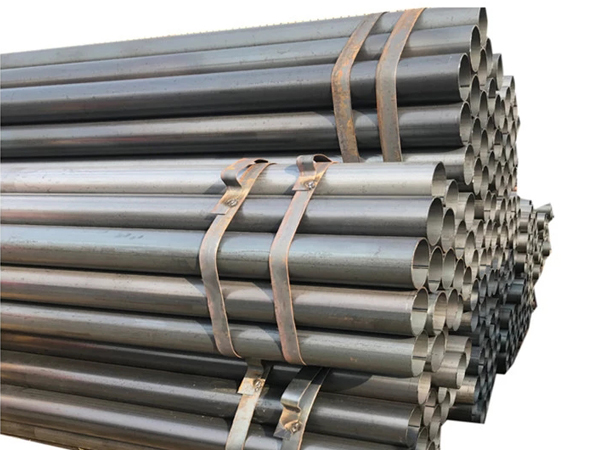
What Is Carbon Steel Pipe? Carbon steel pipe is made primarily of iron and carbon. It is one of the most widely used piping materials in the world. Carbon steel pipe is strong, affordable, and easy to weld. However, it requires protective coatings to resist corrosion. Common applications include oil and gas pipelines, structural frameworks, and water supply systems. It performs well under high pressure and temperature. What Is Stainless Steel Pipe? Stainless steel pipe contains iron, carbon, and at least 10.5% chromium. The chromium creates a passive oxide layer. This layer protects the pipe from rust and corrosion without additional coatings. Stainless steel pipe is widely used in food processing, pharmaceuticals, marine environments, and chemical plants. Grade 304 and Grade 316 are the most common choices. Key Differences: Carbon Steel vs Stainless Steel Pipe Understanding the differences helps you match the right pipe to your needs. Corrosion resistance: Stainless steel offers far superior corrosion resistance. Carbon steel corrodes quickly without protective coatings. Cost: Carbon steel pipe is significantly cheaper. Stainless steel pipe can cost 3–5 times more per foot. Strength: Both materials are strong. Carbon steel has higher tensile strength in most grades. Stainless steel maintains strength at high temperatures. Weldability: Carbon steel is easier and cheaper to weld. Stainless steel requires skilled welders and special equipment. Appearance: Stainless steel has a clean, polished finish. Carbon steel has a darker, rougher surface. Weight: Both materials have similar density. Stainless steel is slightly heavier in equivalent sizes. When to Choose Carbon Steel Pipe Carbon steel pipe is the right choice when budget is a primary concern. It is ideal for oil and gas transmission, construction, and industrial applications where corrosion can be managed with coatings or galvanizing. It also works well in dry or low-humidity environments. When to Choose Stainless Steel Pipe Stainless steel pipe is the better option in corrosive environments. Use it where water, chemicals, or food products flow through the pipe. It is also preferred when hygiene standards are critical. Furthermore, it performs better in high-temperature and high-pressure applications over long periods. Cost Comparison Carbon steel pipe typically costs $0.50–$3.00 per foot for standard sizes. Stainless steel pipe ranges from $2.00–$15.00 per foot depending on grade and size. Therefore, carbon steel is generally the more economical choice for large-scale projects. However, stainless steel may cost less over time due to lower maintenance needs. Standards and Grades Carbon steel pipe commonly follows ASTM A53, A106, and API 5L standards. Stainless steel pipe follows ASTM A312 for seamless and welded types. Both materials are available in a wide range of schedules, from Schedule 10 to Schedule 160. Conclusion Carbon steel pipe vs stainless steel pipe is ultimately a question of environment and budget. Choose carbon steel for cost-sensitive projects in controlled environments. Choose stainless steel where corrosion resistance, hygiene, or longevity is critical. SANVO manufactures both types to international standards with custom sizes available. Contact us today for a free sample or competitive quote.
China Pipe Fittings Shipping Costs & Delivery Guide
Shipping goods from China to the United States, India, Singapore, and other countries is a critical part of international trade. However, many buyers may not fully understand the costs, timelines, and challenges involved in cross-border shipping. How much does it really cost to ship from China to the destination? What factors influence these costs? And most importantly, how can you minimize your shipping expenses while ensuring timely delivery? In this guide, we will break down the key elements that affect shipping costs from China to abroad, including: Different shipping methods (air, sea, express, FCL, LCL) Additional fees such as customs, insurance, and port charges Practical tips to reduce overall logistics expenses Whether you are shipping a small parcel or a full container load, this article will help you make informed decisions and avoid unexpected costs. Port of Export Port of Destination Ship Method Delivery Time Reference Shipping Fee(20′ / 40′ Container) Tianjin/Shanghai L.A. /Long Beach, US-West Coast FCL 15–20 Day $2,500–$3,500 / $3,500–$4,200 Tianjin/Shanghai New York / New York Port, US-East Coast FCL 25–30 Day $3,000–$4,500 / $4,000–$5,500 Shanghai/Ningbo Rotterdam / Antwerp,Europe FCL 30–35 Day $2,500–$4,500 / $3,500–$5,500 Qingdao/Tianjin Dubai / Port of Dubai, the Middle East FCL 20–25 Day $2,500–$4,000 / $3,000–$4,500 Shanghai/Shenzhen Singapore / Ho Chi Minh City, Southeast Asia FCL 5–10 Day $500–$1,000 / $800–$1,500 Tianjin/Shanghai St.Paul / Paranagua, Brazil, South America FCL 35–45 Day $3,500–$5,000 / $4,500–$6,000 Notes & Additional Information FCL (Full Container Load): The above rates are based on 20’ and 40’ containers, which are ideal for bulk pipe fittings exports. Cost Fluctuations: Rates may vary depending on peak season, fuel prices, and vessel availability. Transit Time: Estimated days shown are for sea voyage only and do not include loading, customs clearance, or inland delivery. LCL (Less than Container Load): Available for smaller shipments; rates depend on cargo volume and weight. Additional Charges: Destination port fees, customs duties, VAT, and insurance may apply. We can assist customers in arranging these services if needed.
Is China Leading the World in Stainless Steel Manufacturing?
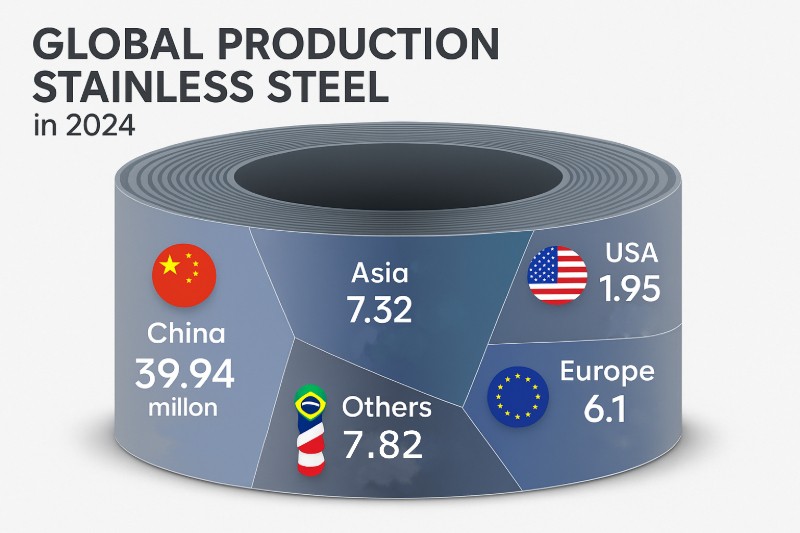
China: World’s Top Stainless Steel Producer China’s position as the world’s largest producer of stainless steel in 2005 has continued to increase its share in the global stainless steel market. In 2023, the World Stainless Association published data about Global stainless steel statistics. The global total amount of stainless steel is 58.444 million tons. China produced over 31 million metric tons of stainless steel, surpassing India, Indonesia (4.2 million tons), and Europe (5.9 million tons). In 2024, China is the leading manufacturer of stainless steel, producing 39.94 million tons, which accounts for 62.98% of the global output. For the past ten years, China’s welding materials industry has remained the largest in the world, accounting for over 50% of global production and sales. This dominance is driven by: Large-scale industrial capacity Strong domestic demand Vertical integration from raw materials to finished products China Fittings: Cheap and Efficient Price advantages of sources Complete production link China is the greatest country for stainless steel production. China possesses an integrated industrial chain from raw materials to finished products. Higher production rate and lower cost China still has cost benefits compared with Europe, America, and Japan. Higher processing efficiency, the latest modernization facility lowers the production cost. Refund tax policy China has implemented an export tax refund policy for stainless steel pipe fittings, typically ranging from 9% to 13%, to help reduce the export costs for businesses. Global Stainless Steel Fittings Price Comparison Country/Region Price Level (Approx.) Advantages or Disadvantages China ⭐ Low Cost advantage, fast lead time, wide product range India Medium to Low Low cost, but slightly lower product quality than China Vietnam / Thailand Medium Cheaper in some low-end products, but with a limited product range EU / Japan / Korea Significantly High High quality, but high labor, environmental, and energy costs USA Very High High domestic manufacturing costs, heavily reliant on imports China’s stainless steel plumbing fittings provide clear price advantages compared to those of other countries, along with excellent service. It is gradually expanding its share in the mid-to-high-end market. Our Stainless Steel Fittings Series Our company, SANVO, has shipped over 2 million threaded stainless steel fittings to clients. Using grade 304 and 316 stainless steel, we supply: Pipe nipples: Hex nipples, close nipples, long threaded nipples; pipe couplings/socket: Full threaded coupling, half coupling, welding outlets; flanges, valves; More threaded stainless steel fittings: bushings, pipe tees, elbow pipes, etc. Sizes from 1/8″ to 12″ NPT or BSP Packaging for global transit On-time delivery Compliance with ASTM, DIN, and ISO standards FAQs Q1: Is Chinese stainless steel reliable for industrial use?Yes. Chinese stainless steel meets international quality standards. Q2: What grades of stainless steel are commonly produced in China?304, 304L, 316, 316L stainless steels. Q3: Can I get custom fittings from Chinese manufacturers?Absolutely. Our factories offer customized service according to drawings and special sizes. Contact us now for a free quote or sample.
Several classification methods for pipe nipples
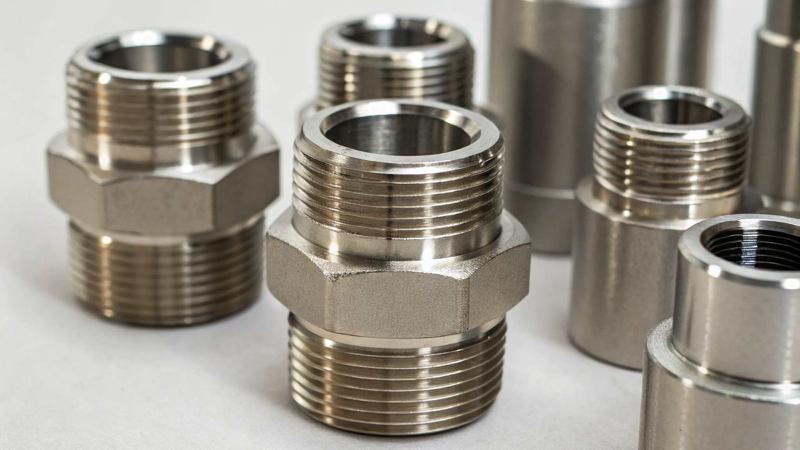
1. Introduction Pipe nipples are small but vital components in piping systems to connect, extend, or adapt pipelines and fittings. Pipe nipples whose versatility and functionality make them indispensable in industries ranging from construction and manufacturing to chemical processing and plumbing. This text classification of pipe nipples is based on material, design, and application, emphasizing the distinct properties and benefits. Understanding these distinctions, select the ideal pipe nipples for your specific project requirements, ensuring the most performance, durability, and cost-efficiency. 2. Classify by Nipple Material Stainless Steel Pipe Nipple The stainless steel nipple which material is 304 or 316 stainless steel. High corrosion resistance, withstand harsh environments. Stainless steel nipple has high strength, oxidation resistance, and long service life. Smooth surfaces and excellent hygienic performance make it can be in the food and medicine industry. Carbon Steel Pipe Nipple Made of ASTM A106 or ASTM A53 carbon steel. High strength and can withstand high-pressure application. A lower price is more suitable for that low-budget project. Carbon steel nipples can be with welding or mechanical connection and flexible installation. But they are easier to rust, and anti-corrosion is poor. Note: Two types of carbon steel nipples usually include black and galvanized nipples. We will introduce them in more detail in the following. You can click the blue font and directly skip to the relevant description. Galvanized Steel Pipe Nipple A galvanized nipple is a cast iron or carbon steel pipe after the surface is hot-dipped. A galvanized nipple is more anti-rust than a general carbon steel nipple. Economical price, cost-effective. Galvanized steel nipple service life is longer than general carbon steel and more suitable for outdoor applications. Black Pipe Nipple Black steel nipple covers a black oxide surface, which offers short-term protection to prevent rust when transporting and storing. Lower cost. Suitable for high-pressure pipeline applications, black pipe nipples can withstand big-gish mechanical stress. Black steel pipe nipples can be welded, thread-processed, and cut easily. Black nipples in moisture, acid, alkali, or salt application over a long time may increase the possibility of rust. Compared Summary Material Corrosion resistance Pressure resistance Cost Stainless steel High High Relatively high Galvanized steel Medium Medium Relatively low Black carbon steel Low High Low 3. Classification by design Close Nipple The closed nipple threaded connection part is longer, and the middle unthreaded part is shorter and more suitable for compact pipe connection. The close nipple installs effortlessly. Long Nipple Longer pipe, offer extra pipeline length, and reduce the used quantity of fittings. Hose Nipple The hose nipple is a flexible pipe usually made of brass, stainless steel, and carbon steel. Hose nipple fittings are compatible with all tube materials and sizes, are installed easily, and withstand pressure and temperature variation. Please note that improper installation may increase leakage risk lately. King Nipple A king nipple is usually longer than a hose nipple. Withstand industrial use for heavy-duty applications and high-pressure systems due to heavy-duty construction, and the design prevents tube slippage. King nipples ensure precise installation to avoid leaks. Galvanized steel king nipple may rust in extreme environments. Reducer Nipple Reducing nipples have different diameters on the two ends, usually connected to varisized pipelines or fittings. Reducer nipples solve the connection problems between different pipe specifications. Welded Nipple The welded nipple typically features one non-threaded section, which requires welding during installation to ensure a secure seal. Welded nipples have strong anti-pressure properties, making them suitable for high-pressure and high-temperature environments. Hex Nipple With the hex design in the middle part, you can easily install and move with a wrench and other tools. Hex nipples have two common types: one type has the same diameter at both ends for connecting to pipes or threaded pipe fittings, and another one which one end connects to a pipe or threaded pipe fitting, and the other connects to a hose pipe. Compared Summary Type Features Advantages Close Nipple Shorter Tight connection Long Nipple Longer, extended pipe Reduce the use of pipe fittings Hose Nipple Barbed end, threaded connection Easy installation, cost-effective King Nipple Thick walls, durable construction Handles high-pressure, long-lasting Reducer Nipple Different diameters at both ends Connect pipes of different specifications Welded Nipple One-end threadless design Good sealing, high-pressure resistance Hex Nipple Middle hexagonal design Easy to install and disassemble 4. Conclusion The pipe nipple is a crucial component in the piping system that can connect and extend various types and sizes of pipes and fittings. Steel pipe nipples have a lot of different product types according to material, design, and application to select the most suitable one to meet special needs. Stainless steel fittings are ideal for high-corrosion environments. Carbon steel and galvanized steel are the most popular in outdoor applications. Understand the characteristics, advantages, and limits of every nipple pipe fitting, and ensure you can purchase the best one for your project from us.