
Advantages of Threaded Pipe Fittings
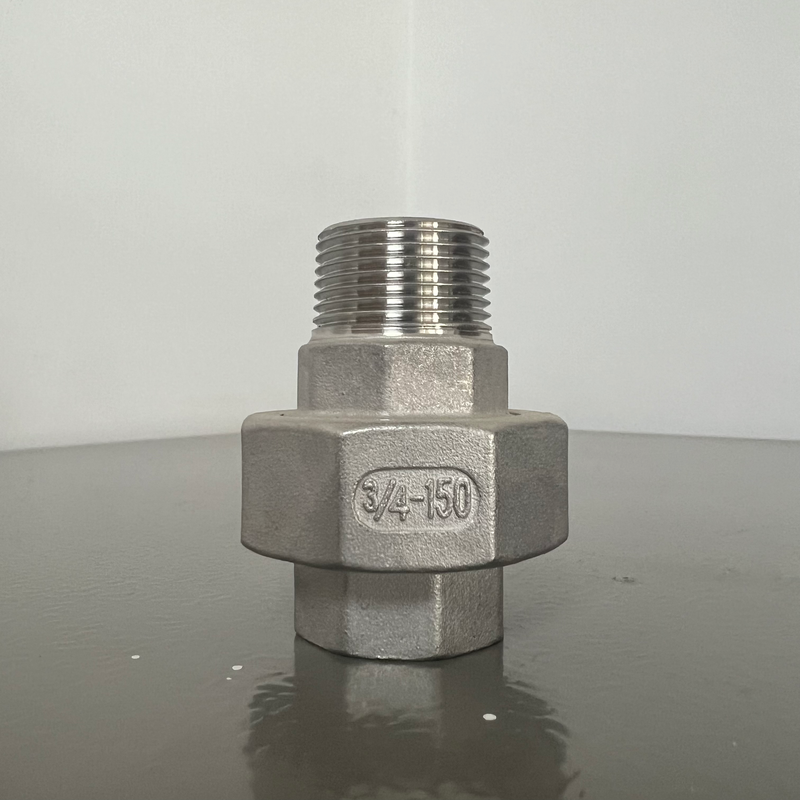
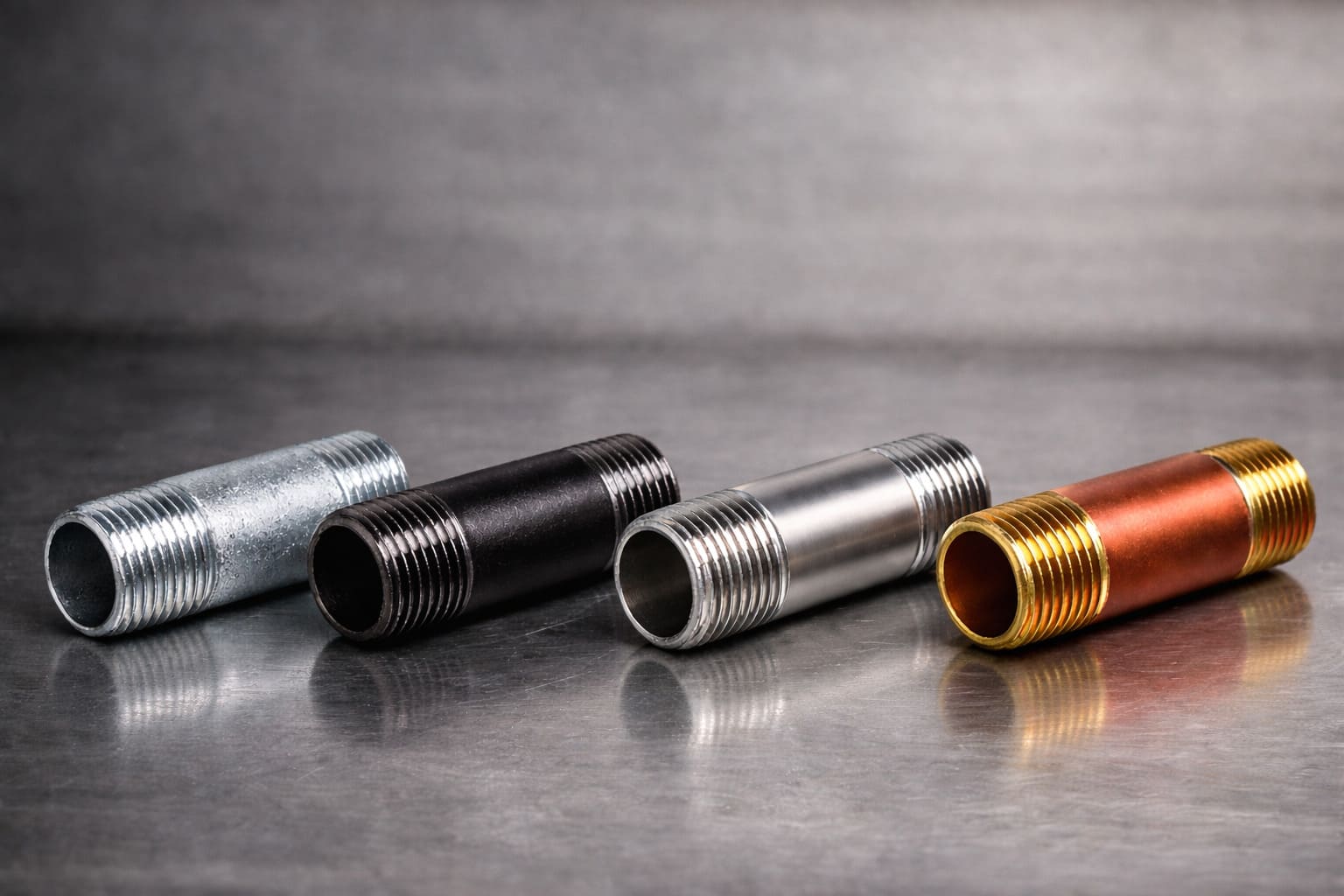
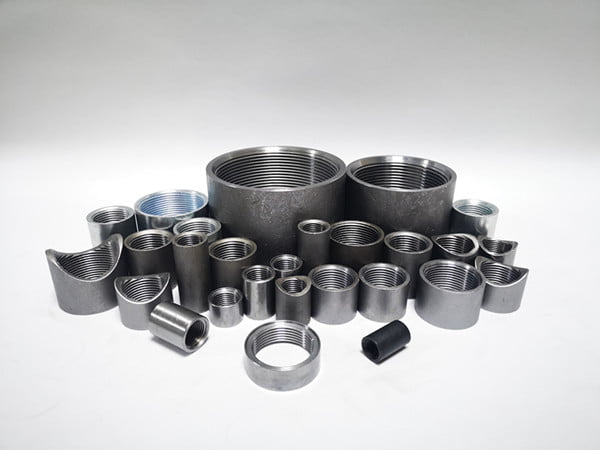
Choosing the suitable plumbing pipe fitting types is crucial for plumbing systems, pipeline industries, and gas or water supply companies. Among many options, threaded pipe fittings have earned a solid reputation for their simplicity, reliability, and cost-effectiveness. In this article, we’ll dive deep into the key advantages of threaded pipe fittings, explaining why they remain a go-to choice in many industries. 1. What Are Threaded Pipe Fittings? Threaded pipe fittings are connectors connected to two pipe sections using external (male) and internal (female) threads. They are in plumbing, natural gas distribution, fire protection systems, and industrial applications. Popular materials for threaded fittings include carbon steel, stainless steel (304/316), galvanized steel, and brass. These fittings are particularly common in smaller pipe diameters, typically under 4 inches. Easy Installation and Removal One of the significant advantages of threaded pipe fittings is the ease of installation. Unlike welding or soldering, which require skilled labor and specialized equipment, threaded fittings only use simple hand tools like pipe wrenches. No welding required: This saves labor costs and speeds up the process. Ideal for repairs: If a section needs replacement, fittings can be unscrewed and replaced without cutting the pipe. Perfect for tight spaces: Threaded plumbing pipe connectors are easier to install in confined spaces than welding. Cost-Effective Solution In terms of both labor and material costs, threaded fittings offer significant savings: Lower installation costs: Since no welding is needed, labor is quicker and cheaper. Reduced equipment expenses: Pipe thread fittings do not need expensive welding machines or protective gear. Affordable material: Common materials like galvanized steel and black iron pipe fittings are budget-friendly. They make threaded pipe fittings ideal for budget-conscious projects or temporary setups. Strong and Reliable Connections When properly installed, threaded pipe fittings provide strong mechanical connections that handle moderate to high pressures. Stainless steel pipe fittings (especially 316) offer excellent resistance to corrosion and are suitable for harsh environments. Galvanized steel fittings are ideal for outdoor or industrial applications where rust prevention is needed. Threaded connections are leak-resistant when sealed correctly with Teflon tape or pipe dope. Flexibility in Design and Application Another main advantage is flexibility: Wide range of types: There are various types of pipe fittings available—elbows, tees, couplings, bushings, plugs—all in threaded options. Easy system modification: Threaded fittings are simple to expand, reconfigure, or dismantle piping systems. Compatibility: Threaded fittings work with many pipe materials, such as steel pipes, brass pipes, and even PVC (with threaded adapters). Suitable for Low to medium-pressure systems Threaded pipe fittings are perfect for low and medium-pressure applications: Water distribution systems Compressed air networks Natural gas supply lines Fire sprinkler systems However, welded or flanged connections are more appropriate for extremely high-pressure systems or added safety-critical installations. Minimal Maintenance Needs With proper installation and sealing, threaded pipe fittings are durable and require little maintenance: Periodic checks: Inspect for leaks or corrosion. Quick fixes: Usually address any issue without extensive downtime or specialized equipment。 They make threaded fittings an excellent choice for systems where low maintenance is a priority. 2. Best Practices When Using Threaded Pipe Fittings While threaded fittings have many advantages, here are a few tips for best results: Use thread sealant: Always apply Teflon tape or pipe thread sealant for a leak-proof joint. Avoid over-tightening: This can crack fittings or deform threads. Choose the right material: Use stainless steel or brass instead of black iron for corrosive environments. 3. Conclusion Threaded pipe fittings offer an unbeatable combination of simplicity, affordability, and reliability. Whether setting up a home water system, designing an industrial gas pipeline, or maintaining a commercial building’s fire protection network, threaded fittings are a wise choice. Choosing high-quality fittings—like stainless steel couplings, galvanized steel connectors, or black pipe fittings—from a reliable supplier can ensure long-lasting performance. If you’re looking for efficient, cost-effective, and flexible pipe connection solutions, threaded pipe fittings are worth considering. Need top-quality threaded fittings at factory-direct prices? We are an experienced manufacturer offering a full range of pipe connectors with fast delivery and customization options. Contact us today to get a free quote!
Appearances and Benefits of All Kinds of Pipe Ends
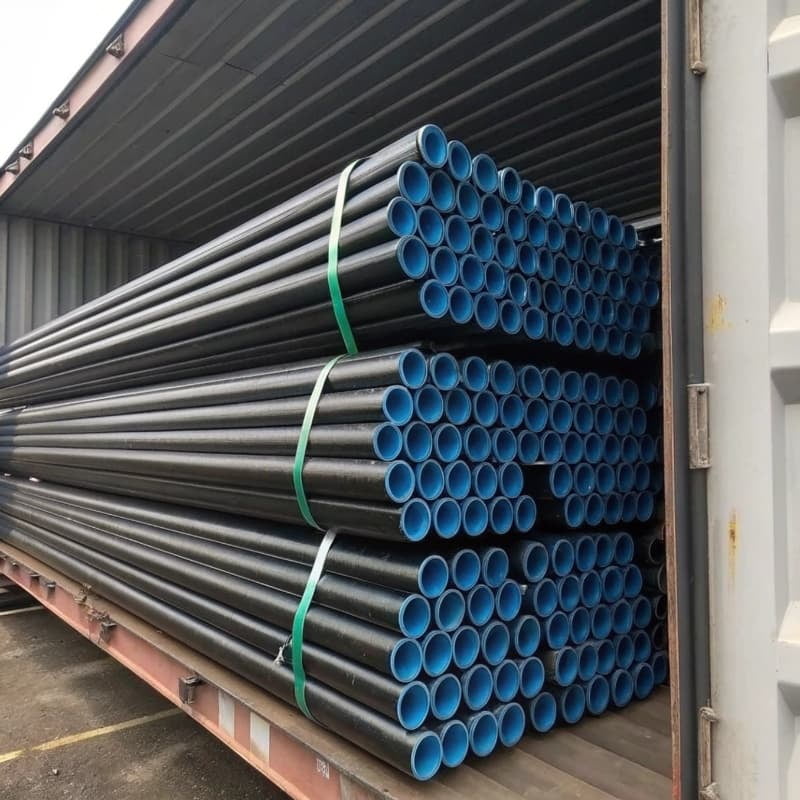
Threaded End The threaded end is the end of pipes that have male threads or female threads manufactured by mechanical processing, enabling pipes to be directly connected with pipe fittings through the threaded end. The threaded end is gradually tightened to achieve a seal and lock on the connection. The thread connection is fast and is commonly used in America, the Middle East, Southeast Asia, and other countries. Types of Threaded Ends Male Thread Threads are processed on the outside. The male threaded pipe is used with female pipe fittings or valves. Female Thread Threads are processed on the inside. The female pipe thread is suitable for connecting with a male pipe connector. Thread Standards NPT (American Taper Pipe Thread): ANSI/ASME B1.20.1 Taper: 1:16, sealing achieved by extrusion, mostly used in industrial pipelines. BSPT (Imperial taper Pipe Thread): BS 21 / ISO 7-1 Conical shape, tight, common in Europe/the Middle East. BSPP (Imperial Parallel Thread): ISO 228 It needs to be sealed with a sealing ring or gasket. Advantages of Threaded Ends Installation without welding; Reliable sealing, especially NPT and BSPT tapered thread; It can be installed and removed repeatedly for examination and maintenance. Highly cost-effective. Plain End Pipe Plain end is a smooth end without threaded, grooved, or flanged treatment. Typically, the end face is cut, deburred, and chamfered or beveled as necessary to facilitate welding, fitting, or direct insertion into the pipe fitting. Advantages of Plain End Simple construction and lower process cost; It is easy to carry out bevel welding or joint customization according to the on-site process in the future. Strong compatibility, convenient for stock management. Limits The plain end needed additional processing, which increased installation time and resources. Plain end pipe requires additional fittings for fast installation or high-pressure sealing in piping systems. Grooved End The grooved end is a pipe end processing form widely used in fast installation piping systems, and its characteristic is that a standardized annular groove is formed at the end of the pipe through mechanical rolling grooving or cutting. This groove is used in conjunction with a grooved coupling, allowing for a rapid and reliable pipeline connection through the clamping of the rubber sealing ring and the metal housing. Advantages of Grooved End Fast installation No welding, safety, smokeless, suitable for indoor or fire-free environments. Displacement is allowed, making it suitable for systems that experience thermal expansion and contraction, as well as vibration. Easy to maintain, fast removal, and replacement. Suitable for large-scale installation. High compatibility Limitations of Grooved End The supporting standard grooved coupling is required. The tank size must be strictly controlled to prevent leakage or detachment. Not suitable for extremely high-pressure working conditions (selection should be based on the coupling level). There are requirements for the ellipticity and end roundness of the pipe material (especially for grooving processing).
ASME and ASTM Certified Forged Fittings Explained
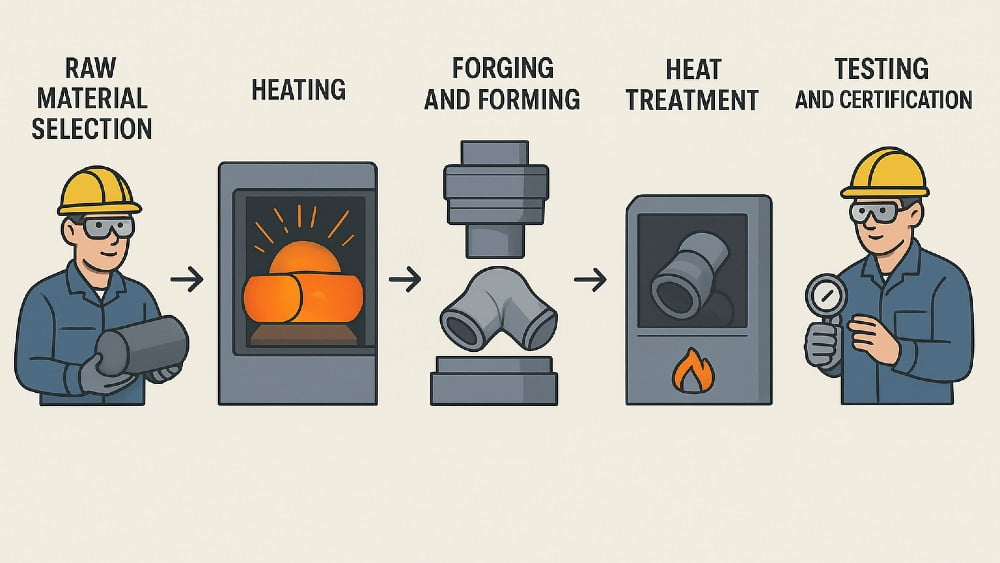
What are Forged Fittings? Forged fittings are pipe connectors produced through the metal forging process, in which metal is shaped under high temperature and pressure. This process refines the grain structure of the material, eliminates internal voids, and creates a dense, high-strength structure with excellent mechanical performance. What is the Difference Between Forged Fittings and Cast Fittings? The main difference between forged fittings and cast fittings is in their production processes. Forged fittings are produced by heating metal to a high temperature and shaping it under pressure using forging and pressing equipment. In contrast, cast fittings are created by pouring molten metal into a mold and allowing it to cool and solidify. The forging process produces fittings with a high-density structure and excellent strength, while cast fittings are more prone to air holes or inclusions due to their lower density. Forged fittings generally have a smoother surface and lighter weight, while cast fittings are rougher in appearance and heavier due to their solidified casting structure. In the oil, gas, high-pressure steam system, chemical industry, shipbuilding, power plants, high corrosion, high temperature environment and other applications, forging fittings such industry’s first choice, can play its own maximum advantage; and casting fittings do not have to be used in this kind of extreme application environment, the most commonly used in the low-pressure water pipes and drainage systems. Mechanical Properties Comparison Property Forged Fittings Cast Fittings Strength High. Tensile strength and toughness are better Lower Density High Low, easily formed pores Impact resistance Excellent General Service life Long Relatively short Forged Fitting Manufacturing Process Raw Material Selection: Carbon or stainless steel (e.g., ASTM A105, A182) is typically used. Heating: The billet is heated to a plasticized state at a high temperature. Forging and forming: By die forging or free forging, the material is pressed into the required shape (e.g., elbow, tee, socket, etc.). Heat treatment: including normalizing, annealing, quenching, tempering, and other processes to improve the organization and properties. Machining: Threading, beveling, and finish processing. Testing and Certification: Conduct dimensional, strength, pressure, hydrostatic, and flaw detection tests, and comply with ASME/ANSI/ASTM standards. Forged Fittings Types Carbon steel fittings (Galvanized or Black Coated): pipe nipples, pipe couplings Stainless steel fittings: pipe nipples, pipe couplings, pipe elbows, pipe tees, pipe caps, pipe unions, pipe plug, hex bushing, hex nut, pipe cross, valves, flanges Common Standards for Forged Fittings Our factory produces forged fittings with carbon steel and stainless steel. Carbon steel generally adheres to the ASTM A105 standard. In contrast, stainless steel follows the ASTM A182 standard, each defining the chemical composition, mechanical properties, and heat treatment requirements for different types of steel used in forged fittings. ASTM A105 – Carbon Steel Forged Fittings ASTM A105 is the standard specification for carbon steel forgings used in piping components such as pipe nipples and couplings for ambient- and high-temperature services. Material type: Plain carbon steel Applications: Oil and gas pipelines, power generation, and petrochemical plants Characteristics: Excellent strength and toughness under pressure Good machinability and weldability Can be supplied with black or galvanized coating for enhanced corrosion resistance Typical products: Welded and threaded pipe nipples, couplings ASTM A182 – Stainless Steel Forged Fittings ASTM A182 covers forged stainless steel fittings, flanges, valves, and parts for high-temperature or corrosive service. Material type: Austenitic, ferritic, martensitic, or duplex stainless steels (e.g., 304, 316) Applications: Chemical processing, food and beverage, shipbuilding, power plants, and offshore industries Characteristics: Superior corrosion and oxidation resistance Suitable for both cryogenic and high-temperature environments Excellent surface finish and dimensional stability Typical products: Pipe nipples, couplings, elbows, tees, unions, caps, plugs, crosses, and flanges FAQ 1. Q: What is the Relationship between ASME & ASTM standards? A: ASTM defines material properties, while ASME (e.g., ASME B16.11) defines dimensions, pressure ratings, and design tolerances. 2. Q: What are the Pressure Ratings of Forged Fittings? A: Common pressure classes: 2000, 3000, 6000, and 9000. 3. Q: What are the Connection Types of these Pipe Fittings? A: Socket Weld and Threaded (NPT/BSP). 4. Q: What of the Surface Treatment of Carbon Steel Fittings can I select? A: Black phosphate or black sandblasted coated and electroplated or hot-dipped zinc coating.
Best City in China for Pipe Fittings Manufacturing
Top Cities in China for Pipe Fittings Manufacturing Cangzhou (Hebei Province) – The “Capital of Pipe Fittings” Cangzhou is widely recognized as China’s largest hub for stainless steel fittings, galvanized steel pipe fittings, and black pipe nipples. The city has numerous large-scale factories, making it ideal for bulk orders and OEM services. Best for: Galvanized pipe fittings, stainless steel pipe fittings, black nipples Advantages: Stable quality, massive production capacity, competitive prices How to Choose the Right Manufacturer of Pipe Fittings Supply? When choosing a supplier, consider: Material Requirements (stainless steel, carbon steel, plastic) Order Quantity (bulk vs small MOQ) Application (industrial, plumbing, HVAC) Export Experience (check if the supplier provides standard certifications like ISO) Conclusion If you need any materials for plumbing fittings, whether carbon steel, stainless steel, or brass, go to Cangzhou directly. SANVO provides high-quality black pipe nipples, galvanized fittings, and stainless steel fittings, sourced directly from the best Chinese manufacturing hubs. Contact us for competitive pricing and bulk orders.
Benefits of Using Black Carbon Steel Pipe in Plumbing
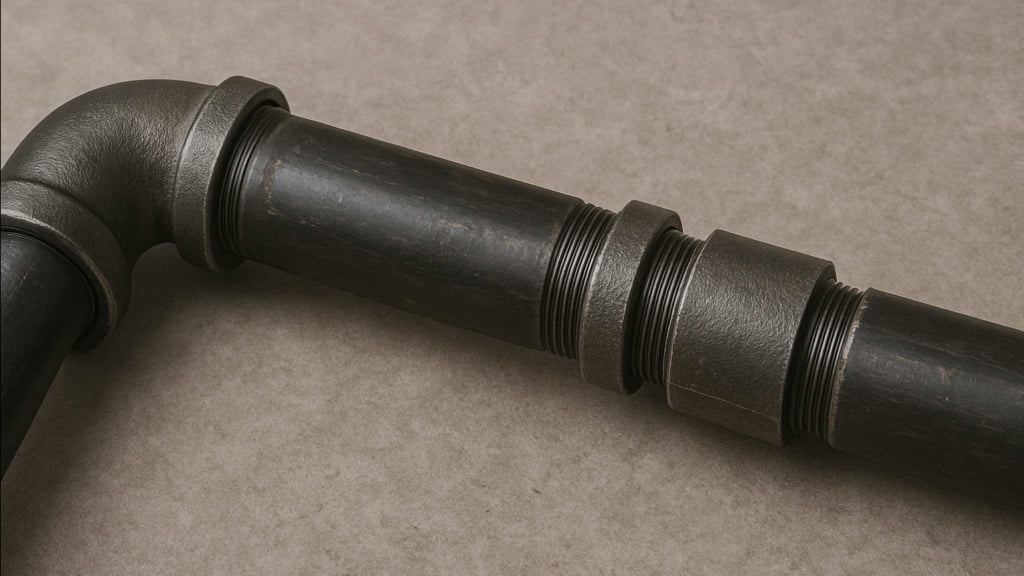
Understanding the materials is key to meeting needs and ensuring reliable project outcomes for plumbing. Black steel pipe is a staple in the industry, and it is popular due to its unique properties and applications. While unsuitable for every job, its benefits in certain scenarios make it indispensable. What is a Black Steel Pipe? Black steel pipe is a type of steel pipe made from carbon steel. Its name comes from the dark iron oxide scale that forms on its surface during production. Unlike galvanized pipe, black steel pipe is not coated with zinc. This lack of coating makes it more susceptible to corrosion when exposed to moisture, but also gives it advantageous properties specific to dry applications. Black steel pipe is typically manufactured through two main processes: seamless or welded (ERW – Electric Resistance Welding). It is commonly used for transporting natural gas, propane, and fire sprinkler systems. Advantages of Black Carbon Steel Pipe 1. Exceptional Strength & Durability Black steel pipe is made from high-grade carbon steel, offering superior tensile strength and pressure resistance (up to 1,000+ PSI). It’s ideal for: High-temperature industrial systems (steam, oil, gas) Structural applications (scaffolding, machinery) Fire sprinkler systems (meet NFPA 13 standards) 2. Cost-Effective for Large-Scale Projects Compared to copper, stainless steel, or galvanized pipes, black steel is 30-50% cheaper in many sizes. Its affordability makes it a top choice for: Natural gas distribution networks Commercial HVAC systems Industrial piping infrastructure 3. Easy Installation with Threaded Fittings The black pipe is pre-cut and pre-threaded, allowing for: Quick assembly with NPT (National Pipe Thread) fittings Secure, leak-resistant joints for gas lines Minimal welding requirements 4. Optimal for Gas & Fire Safety Systems Natural Gas & Propane Lines: Approved by ASTM A53/A106 standards for safe gas transport. Fire Sprinklers: Retains structural integrity longer than plastic pipes during fires. 5. Wide Availability & Standardization Available in schedule 40 & 80 thicknesses, common sizes (1/2″ to 24″), and lengths (21′ or custom). Disadvantages of Black Carbon Steel Pipe 1. Prone to Rust & Corrosion Unlike galvanized or stainless steel, black pipe lacks corrosion protection, making it: Unsuitable for underground use without epoxy coatings or wraps Banned for potable water systems (risk of rust contamination) 2. Heavy & Labor-Intensive Weighs 2-3x more than PVC or PEX, increasing installation costs. Requires heavy-duty supports in large-scale systems. 3. Limited Use in Wet Environments Needs external coatings (paint, varnish, or wraps) if exposed to: High humidity Underground burial Chemical exposure Can you use a black pipe for water? No, black carbon steel pipe is generally NOT suitable or permitted for transporting drinking water (potable water). The main reason is its high susceptibility to internal corrosion when in contact with water. This corrosion can lead to: Rust formation can flake off and contaminate the water, affecting its color and taste, and potentially posing health risks. Deterioration of the pipe wall over time leads to leaks. Common materials used for potable water applications include copper, PEX, CPVC, and galvanized steel. The newer option is less common, but it is preferred for new installations because it helps avoid potential long-term problems. What is Special About Seamless Pipe? Seamless pipe, whether black steel or another material, is manufactured from a solid billet of steel that is heated and then pushed or pulled over a form until it is the shape of a hollow tube. The key feature is the absence of a welded seam running along the length of the pipe. What makes seamless pipe special? Higher Pressure Ratings: Without a weld seam, the seamless pipe has uniform wall strength around its circumference. This makes it inherently stronger and capable of withstanding higher internal pressures than welded pipes of the same material and size. Uniformity: Seamless pipes tend to have more uniform wall thickness and roundness. Reliability in Critical Applications: Due to its strength and lack of a potential weak point (the weld seam), seamless pipe is often specified for critical applications involving high pressure, high temperature, or volatile substances, such as in oil and gas pipelines, power plants, and some industrial processes. Black steel pipe can be manufactured as either seamless or welded. In many buildings, welded black pipe is common and sufficient for standard gas lines or fire sprinklers. However, seamless black steel pipe would be preferred for more demanding applications requiring maximum integrity. Common Applications for Black Steel Pipe Beyond gas and fire sprinkler systems, black steel pipe is also used in: Steam and condensate lines Oil and gas field pipelines (often with external coatings) Industrial process piping Structural applications Why Black Pipe is a Smart Choice? Stocking black steel pipe and its associated fittings is essential for any plumbing serving the residential, commercial, or industrial markets. Its consistent demand for critical applications, gas, and fire safety ensures steady sales. Understanding its specific uses and limitations allows you to provide accurate information and the right products, building trust and reliability. Its relative cost-effectiveness also means it can offer good volume sales and margins. Conclusion Black steel pipe remains a vital component in modern piping systems, particularly for the safe and reliable transport of gases and for fire protection. While its susceptibility to corrosion makes it unsuitable for potable water, its strength, cost-effectiveness, and suitability for high-pressure, high-temperature, and critical dry applications ensure its continued importance. Black steel pipe and fittings are fundamental for plumbing, serving key market segments effectively.
Black Iron vs Galvanized
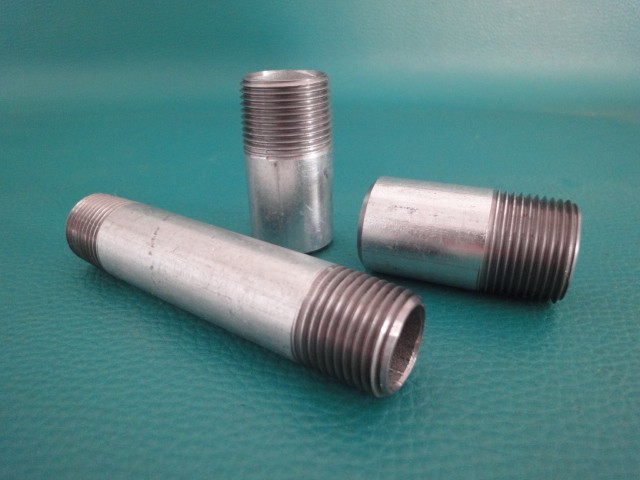
Two commonly considered options for selecting materials for a piping system are black iron and galvanized steel. While both have specific applications and benefits, understanding their differences is key to making the right choice for your project. 1. What is Black Iron? Black iron is a carbon steel without coating, giving it a distinctive dark appearance. It is not pure iron but steel with a specific amount of carbon. Its strength and durability make it popular for gas and oil transport applications. Black iron pipe is economical and durable, has lower corrosion resistance, and is widely used in dry and low-corrosion applications. When used in environments that require extra protection, applying a coating on the surface of the black iron pipe can extend its life. Advantages of Black Iron Strength: Its robust construction is ideal for high-pressure environments. Cost-Effective: Black iron is typically less expensive than galvanized steel. Gas Transport: Perfect for carrying gas, as it doesn’t have a zinc coating that might react with the transported material. Common Applications Natural gas and propane systems Fire sprinkler systems Industrial and commercial settings requiring strong, high-pressure pipes 2. What is Galvanized Steel? Galvanized steel is carbon steel coated with a layer of zinc to protect against corrosion. This additional coating makes it more suitable for water transport and outdoor applications. Advantages of Galvanized Steel Corrosion Resistance: The zinc coating prevents rust and extends the pipe’s lifespan, especially in wet environments. Versatility: Suitable for both indoor and outdoor applications, including exposed piping. Aesthetic Appeal: The shiny zinc coating provides a cleaner, more polished appearance. Common Applications Potable water systems Outdoor piping and fencing Applications exposed to humidity or frequent contact with water 3. Key Differences Between Black Iron and Galvanized Steel When choosing between black iron and galvanized steel, understand their key differences in material properties, applications, and advantages. Use black iron pipe and fitting for indoor, high-heat applications like gas lines or fire systems. Choose galvanized steel for outdoor or moisture-prone environments where corrosion resistance is essential. Black Iron Black iron pipes and fittings have no protective layer and are prone to rust and corrosion over time. Black iron lacks corrosion resistance and is suitable only for indoor use or exposure to moisture in minimal applications. Strong and durable but less resistant to environmental wear and tear without additional protection. Black pipes and fittings are commonly gas lines due to their ability to withstand high temperatures. Black iron has a dark, matte finish and a rough texture. Black iron requires regular maintenance, and protective coatings (like paint or oil) prevent rust. Black iron pipes and fittings are generally cheaper due to their simplicity and lack of coating. They are best suited for dry, controlled environments where rust is not a concern. Galvanized Steel Coated with a layer of zinc through a galvanization process. The zinc coating provides excellent corrosion resistance, especially in outdoor and humid environments. The galvanized coating provides strong rust and corrosion resistance, making it suitable for outdoor use, plumbing, and moist environments. Galvanized pipe and firrings are durable and long-lasting, with added protection against corrosion, giving it a longer lifespan in harsh conditions. Suitable for environments where exposure to moisture or weathering. The galvanized coating on pipes and fittings has a shiny silver finish, offering a clean and polished look. Galvanized pipes and fittings are low maintenance, as the zinc coating provides inherent rust protection. Slightly more expensive because of the added galvanization process. Suitable for outdoor and humid environments due to its corrosion resistance. 4. Choosing the Right Material Your choice between black iron and galvanized steel depends on the specific requirements of your project: For Gas Systems: Black iron is the superior choice due to its lack of zinc coating, which might cause clogging in gas lines. For Water Systems: Galvanized steel is the go-to option, as it resists rust and maintains water quality. For Outdoor Use: Galvanized steel is better suited to withstand weather conditions and humidity. 5. Maintenance Considerations Black Iron: Requires regular inspection for rust and may need periodic painting or coating in moist environments. Galvanized Steel: Minimal maintenance, though the zinc layer can eventually wear off, especially in high-salt environments. 6. Environmental Impact Galvanized steel reduces resource waste and service life long, and zinc coating makes it less environmentally friendly to produce and recycle than black iron. However, the galvanized steel extracted zinc in processing and coating (such as hot-dip galvanizing processes results in energy consumption and emission reduction. Black iron processing is simple but requires little energy. Because of its short life, it is frequently replaced and produces more garbage, especially in corrosion environments. 7. Conclusion Both black iron and galvanized steel have their strengths and limitations. Black iron excels in gas and high-pressure systems, while galvanized steel is ideal for water transport and outdoor applications. Carefully evaluate the environmental conditions, budget, and specific system requirements to make the best decision for your needs.