
Pipe Fitting Standards Guide for the European Market
This guide will help you learn the most common EN, ISO, and DIN standards for pipe fittings in Europe, making it easier for you to select the right products from us that comply with European requirements and meet your customers. The common standards for pipe fittings in the European market include EN, ISO, and DIN. EN (European Norm): The unified European Union standard, widely adopted across all EU member countries. ISO (International Organization for Standardization): An international standard system that is also widely applied in Europe, especially for thread types, dimensions, and material grades of pipe fittings. DIN (Deutsches Institut für Normung): The German national standard, which is widely used throughout the European industrial sector for stainless steel and carbon steel fittings. BS Standards (British Standards): Remain influential in Europe and former Commonwealth markets. Many have been harmonized with EN or ISO standards. Types Standards Explain Material Standards EN 10241 Common standards for threaded carbon steel pipe fittings DIN 2982 Carbon steel threaded pipe fittings BS EN 10241 The EN standard version adopted by the UK Threads Standards ISO 7-1 British standard taper pipe thread (BSPT) ISO 228-1 Imperial parallel thread (BSPP) DIN 2999 German standard thread (same as ISO 7) BS 21 British threaded standard (same as ISO 7) These are the most widely used pipe fitting standards that meet the requirements of most European customers. If you’d like to learn more, keep reading. We’ll introduce additional EN, ISO, and DIN pipe fitting standards commonly applied across Europe’s piping industry. EN Standards EN (European Norm) standards are harmonized across the European Union and EFTA countries. They ensure that carbon steel, stainless steel pipe fittings, and PVC pipes meet consistent quality, safety, and performance benchmarks. EN 10255: This standard specifies requirements for threaded carbon steel pipes used for water, gas, and heating applications. EN 10305: Pertains to precision steel tubes used in hydraulic and pneumatic systems. EN 12760: Defines specifications for socket-welding pipe fittings and threaded fittings, commonly used in oil, gas, and chemical industries. DIN Standards Although increasingly superseded by EN standards, DIN (Deutsches Institut für Normung) standards are still widely referenced, especially for technical specifications. DIN 2440/2441: Cover black and galvanized steel pipes with threaded ends. DIN 11850: Relevant for stainless steel pipes and fittings used in food, beverage, and pharmaceutical industries due to their hygienic properties. BS Standards BS standards remain influential in Europe and former Commonwealth markets. Many have been harmonized with EN or ISO standards. BS EN 806: Specifications for installations inside buildings conveying water for human consumption. BS 1387: For threaded galvanized steel pipes, commonly used in low-pressure plumbing. ISO Standards ISO (International Organization for Standardization) standards facilitate international trade and commerce. Many EN standards are aligned with ISO. ISO 9001: While not product-specific, this quality management standard is critical for pipe fittings manufacturers to demonstrate consistent quality. ISO 2531: For ductile iron pipes and fittings used in water and sewage applications. Why Compliance Matters for Exporters For pipe fittings suppliers, adhering to these standards is not optional—it is a prerequisite for market entry. Here’s why: Legal Requirements: Products often must carry CE marking (indicating conformity with EU legislation) to be sold in the EEA. Customer Confidence: Compliance signals quality and reliability to European industrial buyers. Interoperability: Ensures that your pipe fittings will work seamlessly with existing systems. Competitive Advantage: Certification can differentiate your products in a crowded industrial marketplace. Conclusion Navigating the landscape of European pipe standards—from EN and DIN to ISO—is fundamental for any pipe fittings exporter targeting the region. Prioritizing certification and compliance will streamline your market access, enhance your brand reputation, and meet the precise demands of European industrial clients. For suppliers of industrial pipe fittings, investing in understanding these standards is investing in long-term export success.
China Pipe Fittings Factory – Full Catalog & Bulk Order Guide
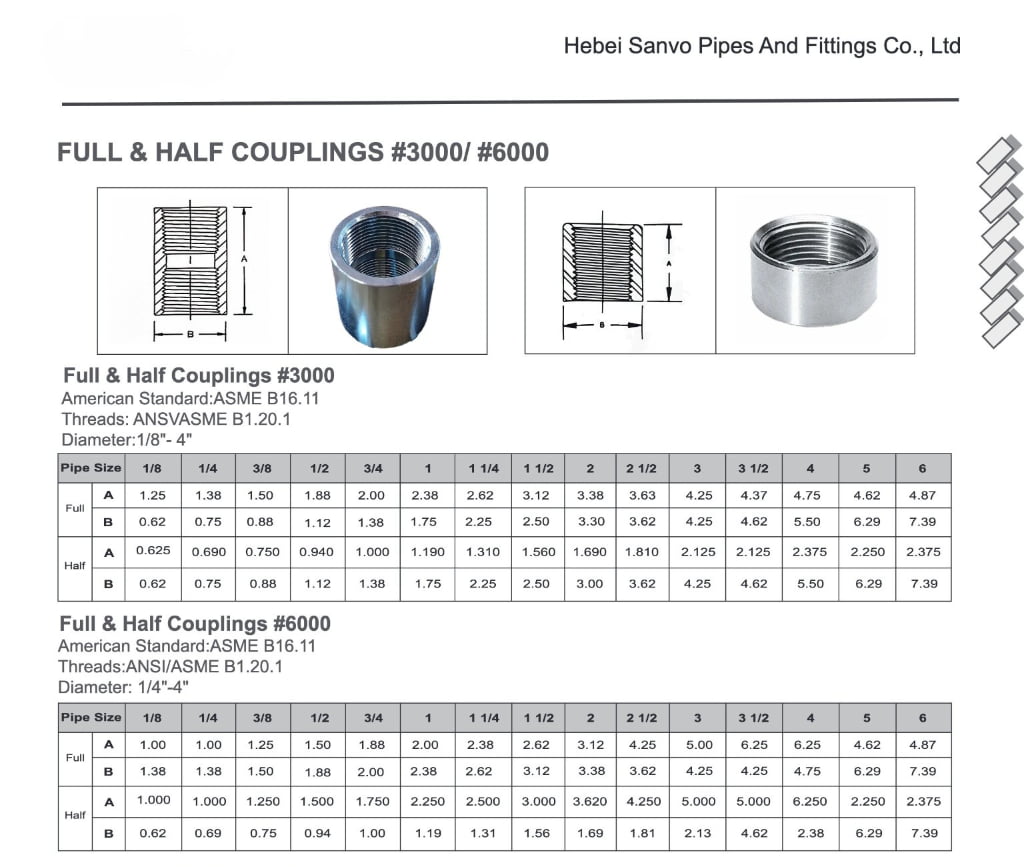
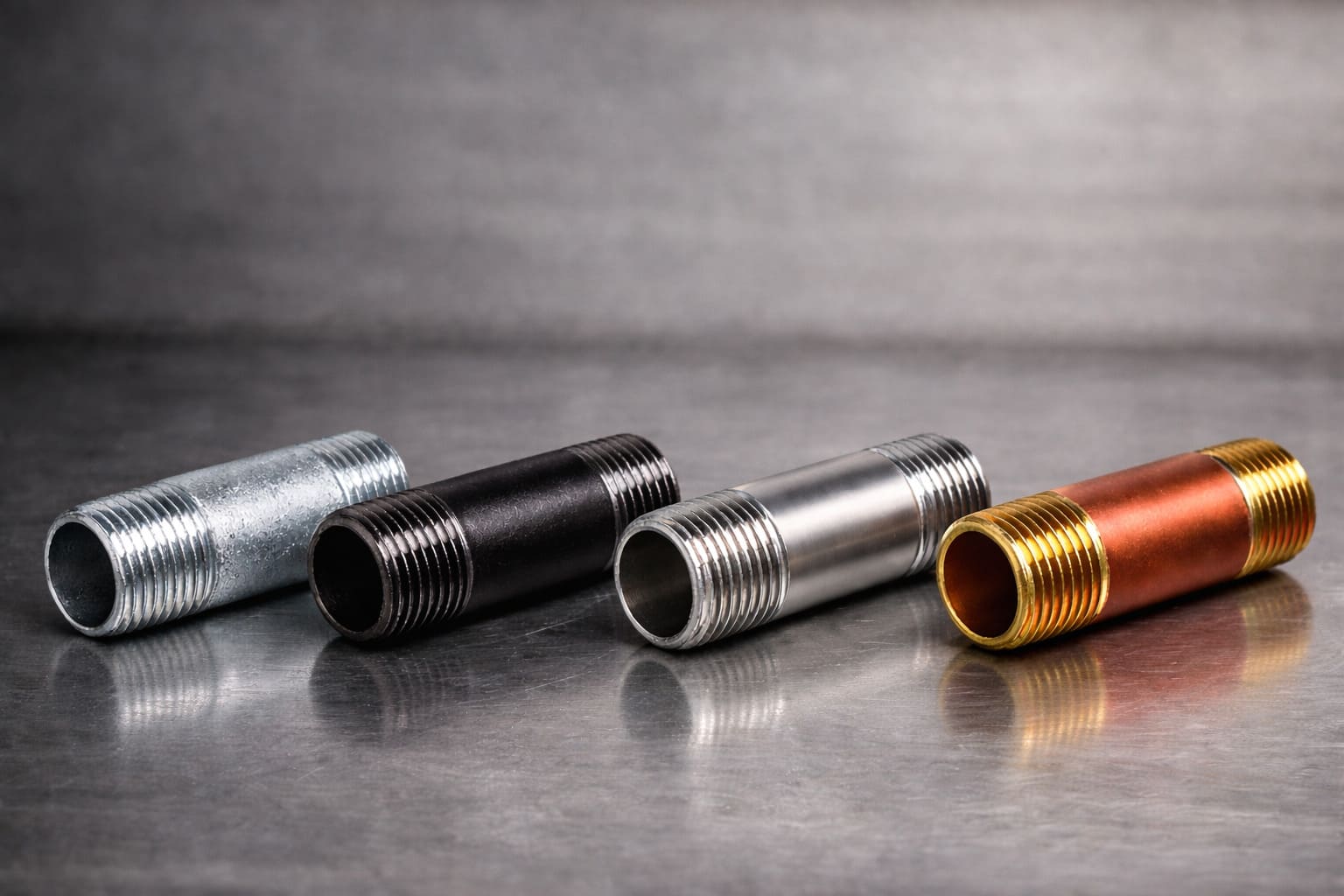
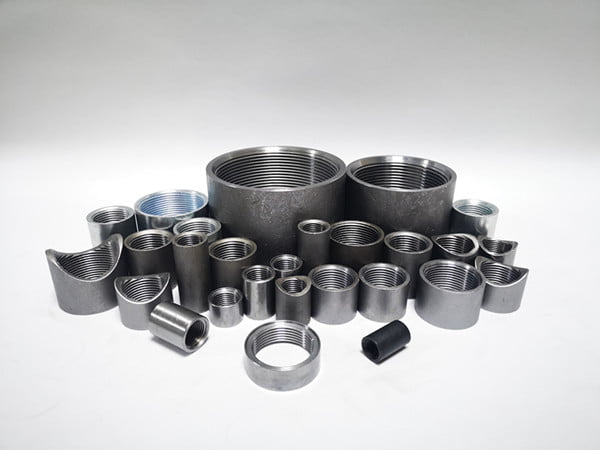
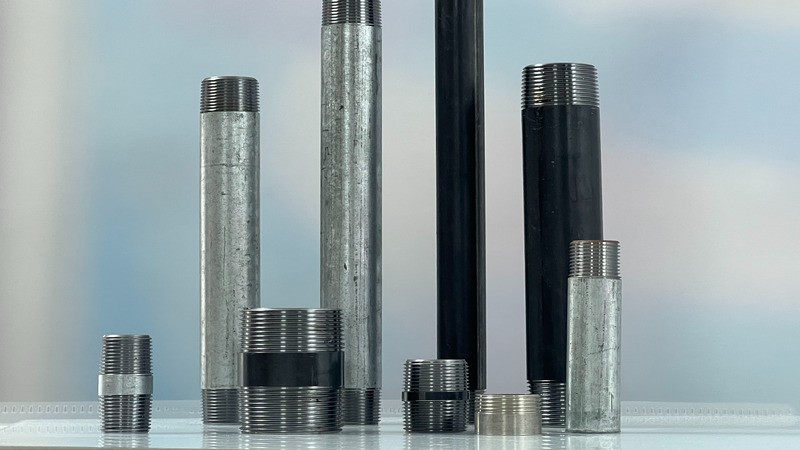
Full Range of Pipe Fittings We Manufacture We manufacture a complete catalog of pipe fittings, including: 1. Pipe Nipples Pipe nipples are short, threaded pipe connectors with male (external) threads on one or both ends and a smooth central body. Different types include: A standard pipe nipple is a straight nipple with male threads on both ends, commonly used for oil, gas, and water pipelines. A hex nipple features a hexagonal section in the middle for easy tightening with a wrench, ideal for high-pressure and industrial systems. The hose nipple is designed with barbed or ribbed ends for connecting hoses to threaded piping systems, which are commonly used in fluid transfer and irrigation applications. King Nipple is A heavy-duty nipple with longer threads, commonly used in suction or discharge hoses for oil, water, and air lines. (Click size chart to download the PDF) 2. Pipe Sockets/Couplings The pipe socket is a short cylinder pipe (with female threads) used to connect two pipes in a straight line. Main types include: Standard couplings refer to those that have the same diameter on both ends, featuring female threads or socket-weld connections. Reducer couplings connect different diameters they allowing for a smooth transition in flow between large and small pipes. 3. Pipe Elbows Pipe elbows are fittings used to change the direction of flow in a piping system, typically at angles of 45° or 90°. They are essential in routing pipelines around obstacles or in confined spaces. The 90-degree elbow is the most common type, used to create a sharp right-angle turn in pipelines. Suitable for water supply, gas systems, and industrial flow networks. A 45-degree elbow provides a smoother directional change, reducing pressure loss and turbulence in fluid systems, often used in HVAC and plumbing installations. Street Elbow has one end with male threads and the other with female threads, allowing for connection without the need for coupling. It simplifies installation in tight or awkward positions. 4. Pipe Tees & Crosses Pipe Tees – T-shaped fittings that split or combine fluid flow; available in equal tees and reducing tees.Pipe Crosses – Four-way fittings that connect pipes in cross-shaped configurations. 5. Pipe Caps & Pipe Plugs Pipe Caps – Dome-shaped fittings that cover the end of a pipe to stop the flow or protect threads.Pipe Plugs – Solid threaded plugs inserted into a fitting to seal off a pipe opening; available in hex, square, or round head designs. 6. Pipe Unions Pipe Unions – Three-piece fittings (two end pieces and a central nut) designed for easy disassembly and maintenance of pipelines. 7. Valves Valves regulate or stop fluid flow in plumbing and industrial systems. Common types include: Gate Valves – For on-off flow control.Ball Valves – Quick shut-off with a quarter-turn operation.Check Valves – Prevent backflow in pipelines. 8. Hex Bushings & Lock Nuts Hex Bushings – Threaded fittings that reduce the size of a pipe opening; the hex body allows wrench tightening.Lock Nuts – Secure threaded fittings, preventing loosening due to vibration. 9. Flanges Flanges – Flat, disc-shaped components bolted together for connecting pipes, valves, or pumps; available in slip-on, weld neck, and threaded types. Pipe Fittings Materials Guide Galvanized Carbon Steel Pipe Fittings Galvanized carbon steel pipe fittings are carbon steel fittings coated with a protective layer of zinc through a hot-dip or electro-galvanizing process. This zinc coating protects against moisture and oxygen, significantly slowing down and preventing rust corrosion. Best Applications Outdoor Plumbing & Water Supply Lines Low to Medium-Pressure Systems Construction & Structural Support Advantages Strong corrosion resistance in humid or outdoor environments Cost-effective compared to stainless steel Long service life with minimal maintenance Limitations Not suitable for high-temperature or high-pressure gas lines Zinc coating can peel or wear off over time in highly abrasive environments Common Question Q: Are galvanized fittings safe for drinking water? A: Yes, if lead-free zinc coating is used, they are safe for potable water. Q: Can galvanized fittings be used for gas? A: Not recommended due to flaking risk in gas systems. Black Carbon Steel Pipe Fittings Black carbon steel pipe fittings coated on the surface with oil or sandblasted to protect against corrosion, then have a black finish. They are designed to withstand high pressure and temperature. Best Applications Oil & Gas Pipelines High-Pressure Industrial Systems Indoor Use Advantages Excellent strength and durability under high pressure More affordable than stainless steel fittings Ideal for industrial and mechanical applications Limitations Prone to rust in humid or wet conditions Not suitable for drinking water or food-related applications Common Question Q: Can black steel fittings be used for water? A: Only for non-potable water; not recommended for potable water due to rust. Q: What’s the pressure rating of black steel fittings? A: Typically up to 150 psi for standard fittings, higher for specialized types. Stainless Steel Pipe Fittings Stainless steel pipe fittings are made from alloys containing chromium (at least 10.5%), which forms a passive layer that resists corrosion. Common grades include 304, 304L, 316, and 316L, with 316 offering superior corrosion resistance in chemical environments. Best Applications Chemical Processing & Food Industry Water Treatment & Marine Systems High-Pressure & Sanitary Systems Advantages Superior corrosion and rust resistance, even in harsh environments Long service life with minimal maintenance High strength and excellent aesthetic appearance Limitations Higher cost compared to galvanized or black steel Heavier than plastic or brass fittings in some applications Common Searches Answered Q: Which is better, stainless or galvanized pipe fittings? A: Stainless is better for corrosion resistance and sanitary use, while galvanized is cheaper and sufficient for general water systems. Q: What grade of stainless steel fittings should I choose? A: 304 for general plumbing, 316 for chemical and marine environments. Applications of Our Pipe Fittings Our pipe fittings are widely used in: Plumbing & Water Supply Systems Oil & Gas Pipelines Firefighting & HVAC Systems Industrial & Chemical Processing Equipment Why Choose Us OEM & ODM support for customized fittings Advanced manufacturing facilities and strict quality control International certifications: ISO, CE Fast delivery and competitive prices for bulk orders Contact Us for
Pipe Fittings Solutions for the Oil and Gas Industry
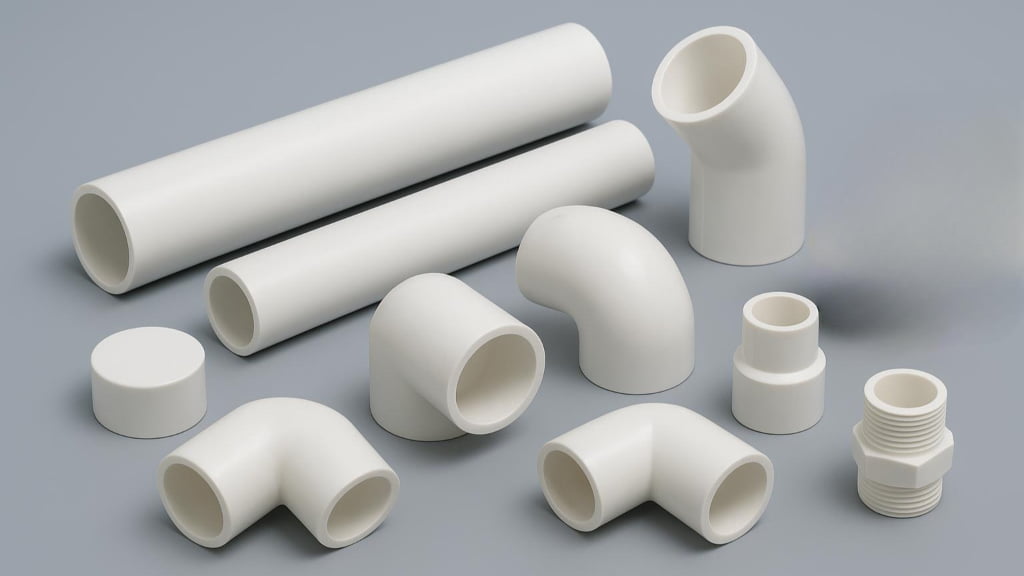
Pipe fittings are essential accessories in any fluid or gas transportation system. They connect, redirect, and control the transportation of fluids or gases under high pressure and harsh environments. In the oil and gas industry, the selection of pipe fittings plays a decisive role in ensuring safety, durability, and system reliability. Due to extreme working conditions, such as high pressure, temperature fluctuations, and corrosive media, the material, design, and performance of fittings are critical to the integrity of pipelines. This article explores the common materials, fitting types, and their applications in the oil and gas industry, providing a comprehensive guide for buyers. The Importance of Steel Pipe Fittings in Oil and Gas Applications Steel pipe fittings, known for their high strength and pressure resistance, are the preferred choice in the petroleum, natural gas, and petrochemical industries. These sectors demand fittings that can withstand high pressure, temperature, and corrosion caused by aggressive fluids. During oil extraction and transportation, pipelines withstand extreme pressure, high temperature, and corrosive environments. Forged steel high-pressure fittings offer superior strength and corrosion resistance, ensuring stable and safe operations. On offshore oil platforms and land-based drilling sites, forged carbon steel and stainless steel fittings are indispensable for connecting pipes, valves, and control systems that must remain leak-free under heavy loads. Natural gas transmission systems often operate under high pressure and low temperature. Forged steel fittings maintain their mechanical strength even in subzero environments, ensuring long-term reliability. They are commonly used in: Wellhead equipment Oil transmission pipelines Processing and separation facilities Gas compressor stations Storage and distribution terminals LNG processing plants and pipelines By using high-pressure forged fittings, operators can reduce leakage risks and improve system efficiency—key factors in achieving safe and sustainable energy transport. Choosing the Right Material for Oil and Gas Fittings Material selection directly affects the performance, cost, and lifespan of a pipeline system. Each material type offers distinct advantages depending on the fluid composition, pressure rating, and installation environment. 1. Carbon Steel Fittings Standards: ASTM A105, API 5L Features: High mechanical strength and pressure resistance Cost-effective for non-corrosive applications Excellent weldability Limitations: Prone to corrosion in wet or sour environments (containing H₂S or CO₂); usually requires anti-corrosion (black or galvanization) coatings or linings. Applications: Onshore oil and gas pipelines Gathering systems for crude oil and untreated natural gas 2. Stainless Steel Fittings Grades: 304, 316, 316L Standard: ASTM A182 Features: Excellent corrosion resistance, especially in sour gas or acidic conditions Suitable for both high-pressure and high-temperature environments Smooth surface reduces scaling and contamination Limitations: Higher cost; may suffer pitting corrosion in chloride-rich conditions. Applications: Offshore drilling platforms and subsea pipelines Sour gas and acid gas applications LNG and petrochemical processing facilities 3. PVC(Polyvinyl Chloride) Features: Lower price, anti acid and alkali. High hardness, but fragility. Temperature resistant range is relatively small from 0°C ~ +60°C, it is not resistant hih pressure, and is not suitable for oily media. Applications: Drainage system Cooling water pipeline Low-pressure chemical conveying line Material Performance Comparison Material Type Pressure Resistance Corrosion Resistance Cost Typical Applications Carbon Steel ★★★★★ ★ ★ Onshore oil & gas pipelines Stainless Steel (304/316) ★★★★ ★★★★ ★★★ Sour gas, offshore platforms PVC ★ ★★★ ★ Drainage and cooling systems Common Pipe Fitting Types and Functions Different fittings perform various mechanical and hydraulic roles within a pipeline system. Below are the most commonly used pipe fittings for oil and gas applications: Fitting Type Function Typical Use Elbow Changes the flow direction (45°, 90°, 180°) Turns in pipelines, tight spaces, high-pressure systems Tee Divides or combines flow Branch lines, manifolds, test points End Cap Closes pipe ends for testing or isolation Pipeline ends, temporary shutdowns Nipple Short connection between fittings or valves Instrumentation, pressure gauges, valve assemblies Coupling Connects two straight pipes Repair and maintenance joints Flange Detachable joint for valves, pumps, and equipment High-pressure connections, refineries, offshore units Union Enables quick assembly and disassembly Maintenance zones, filters, instrumentation lines Why Reliable Fittings Matter in Oil and Gas Infrastructure Oil and gas pipelines operate under some of the harshest conditions on earth. The reliability of fittings directly impacts the safety, performance, and cost efficiency of an entire system. High-quality fittings: Prevent leakage and downtime Reduce maintenance and replacement costs Extend equipment lifespan Ensure compliance with international standards (API, ASTM, ASME, EN, DIN) By choosing fittings from trusted manufacturers and ensuring adherence to material and thread standards, B2B buyers can secure a more dependable and cost-effective pipeline solution. Conclusion From carbon steel to duplex stainless steel, each fitting material has its place in modern oil and gas operations. Whether used in onshore fields, offshore drilling platforms, or subsea pipelines, forged high-pressure fittings play a crucial role in ensuring safety and efficiency. Forcustomers, selecting the right pipe fittings supplier means securing durable, standard-compliant products that meet the challenges of high pressure, corrosion, and extreme temperature. Reliable fittings are not just components—they are the foundation of every successful oil and gas pipeline system.
About Pipe Nipple Wall Thickness
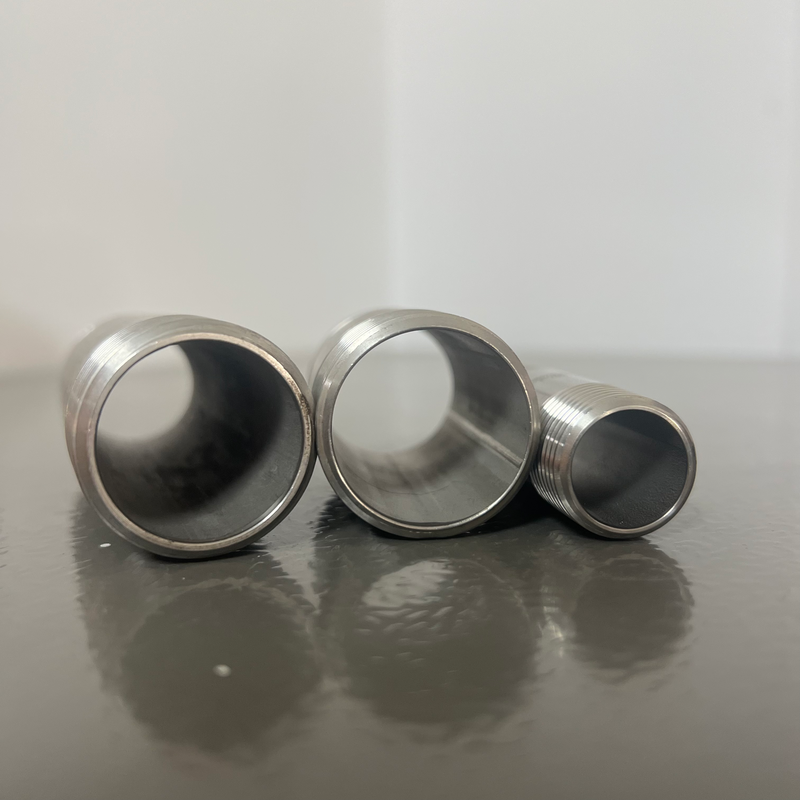
Nominal pipe thickness is a key factor in influencing pipe nipple property, and according to different standards (ASME B36.10 or ASTM A733), the thickness is usually expressed as “schedule (SCH) or class. 1. Common pipe wall thickness classification The schedule is American standard pipe specification, and the pipe wall thickness varies with the increase in diameter. Common specifications include: SCH 10: Thin wall thickness, suitable for low-pressure and non-critical applications. SCH 40: Medium wall thickness, the standard choice for industrial and commercial use, suitable for medium-pressure applications. SCH 80: Thick wall design, suitable for high-pressure and high-temperature conditions. SCH 160: Extra thick wall, suitable for extreme high-pressure environments. 2. Performance and application of different wall thickness SCH 10 Pipe Nipple Schedule 10 pipe nipple has a thin thickness, 1/2 inch pipe nipple only 1.65mm wall thickness. SCH 10 pipe is light, and lower cost. Sch 10 pipe thickness has strong fluid permeability and low pressure bearing capacity. SCH 40 Pipe Nipple SCH 40 pipe thickness provides medium thickness. Schedule 40 pipe thickness has medium strength, and schedule 40 pipe nipple is suitable for industrial applications. Schedule 40 pipe wall thickness has low fluid resistance and strong durability. SCH 80 Pipe Nipple Sch 80 nipple is thicker. Schedule 80 nipples are suitable for high-pressure applications, with stronger shock resistance performance. Schedule 80 nipples have excellent high-temperature resistance. SCH 160 Pipe Nipple Extra thick with schedule 160 pipe nipple. Schedule 160 pipe nipple is specialized in extreme high-pressure conditions. Schedule 160 pipe nipple has excellent wear and corrosion resistance properties. 3. Schedule 40 vs 80 steel pipe thickness Schedule 40 nipple thickness is the standard in multiple applications, widely in medium-pressure and temperature pipe systems. Usually, it is the first choice for industrial and commercial use. Sch 80 nipple is thicker, and suitable for more high-pressure and temperature environments. Sch 80 nipple provides higher strength and durability, but the inner diameter through which the fluid passes is smaller. Performance Difference Schedule 40 pipe nipples are suitable for Water supply, HVAC, low-pressure steam systems, etc. They have more pipe flow and are popular for those that need higher flow speed systems. Schedule 80 nipples can withstand higher pressure due to their thicker wall thickness, which makes them suitable for high-pressure liquid or gas transportation, especially in the industry and petrochemical field. Due to the reduced inner diameter, the Sch 80 nipple has a slightly lower flow rate. 4. Customized Service We can provide according to customer needs: Diverse pipe nipples (galvanized nipple, stainless steel nipple, brass nipple, and black pipe nipple) A series of surface treatments (polish, galvanized, black coating, etc.) multiple lengths and threaded types (NPT thread pipe nipple, BSP thread nipple, etc.) If you need samples or quotes, please provide the following information: (1) Wall thickness (SCH 10/40/80/160). (2) Pipe diameter, length, and surface treatment requirements. (3) Application scenarios (such as pressure and fluid type).
The Wholesaler’s Guide to Plumbing Pipe Types and Applications
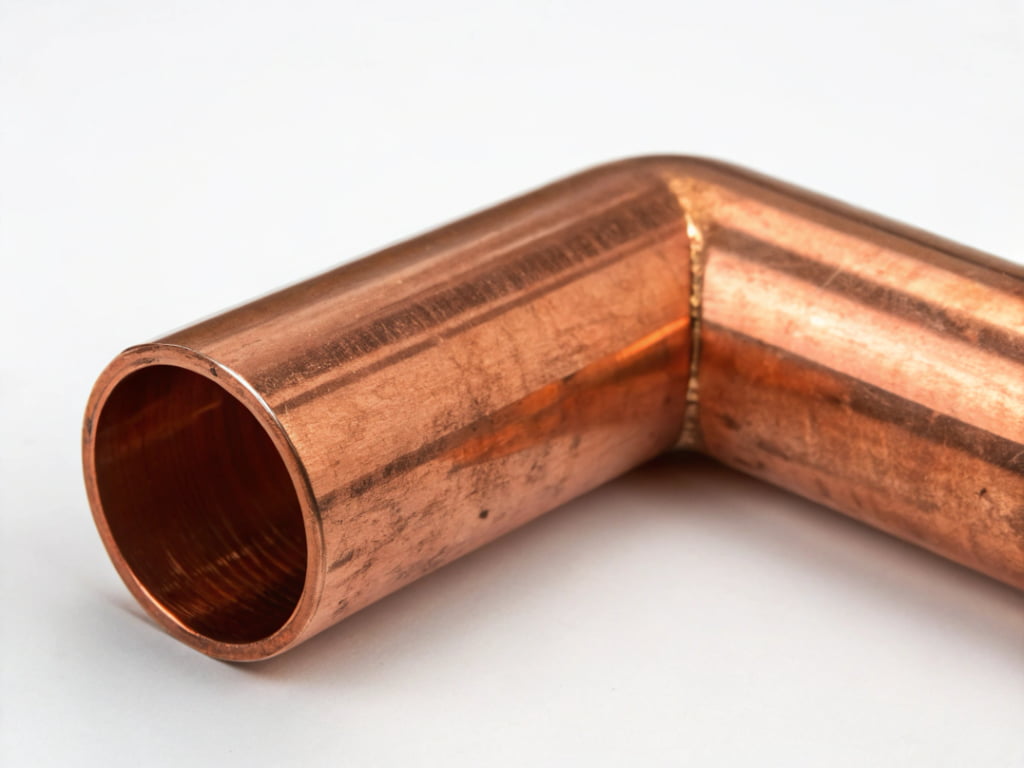
The question “Which pipe is best for plumbing?” doesn’t have a single answer. The ideal choice depends heavily on the specific application, budget, local building codes, and desired lifespan of the system. This guide breaks down the most common plumbing pipe types to help you navigate the options. Key Factors When Choosing Plumbing Pipes Cost: Both material cost and installation cost. Durability and Lifespan: How long will the pipe last? Is it resistant to corrosion, temperature fluctuations, and pressure? Application: Is it for water supply (hot or cold), drainage, or venting? Is it for residential or commercial use? Ease of Installation: How hard is the pipe to cut, join, and shape? This impacts labor costs. Temperature and Pressure Resistance: Can the pipe handle the required water temperature and pressure? Flexibility: Is flexibility needed for routing through tight spaces? Building Codes: Does the material meet local plumbing codes? Common Types of Plumbing Pipes Here’s a look at the most prevalent plumbing pipe types you’ll encounter in the market: Pipe Type Advantages Disadvantages Applications PEX Highly flexible Cost-effective Freezing resistant No corrosion or leaks Cannot be used outside Fittings may restrict flow Hot and cold water supply lines, radiant heating systems Copper Durable Heat and pressure resistance No chemical leaching UV light resistant More expensive Corrode in acidic water Rigid, unsuitable for tight spaces Water supply lines, refrigerant lines, and drainage PVC Very cost-effective Easy to cut and join Corrosion and chemical resistance Lightweight Not for hot water or high pressure Can become brittle over time Temperature limits Drainage, waste, vent systems, and cold water supply CPVC Handles hot and cold water Easy installation Corrosion resistant More rigid than PEX More expensive than PVC Requires space for expansion Affected by certain chemicals Hot and cold water supply lines ABS Durable and impact resistant Easy installation Performs well in cold temperatures Not suitable for pressure lines Can warp at high temperatures Drain, waste, and vent systems Galvanized Steel Strong and durable Withstand high pressure Prone to internal corrosion Heavy and difficult to cut Zinc coating can wear off Not suitable for gas lines Older homes, non-drinking water, and structural support PEX (Cross-linked Polyethylene) PEX is a flexible plastic tubing that has become incredibly popular, especially for water supply lines. Pros: Highly flexible, making installation easier and requiring fewer fittings.Cost-effective material and lower installation labor costs.Resistant to freezing (it expands and contracts).Doesn’t corrode or develop pinhole leaks like some metal pipes. Cons: It cannot be used outside because UV light can damage it.Potential for rodent damage.Fittings can sometimes restrict flow slightly more than traditional methods. Copper Pros: Extremely durable and long-lasting.Excellent resistance to heat and pressure.Doesn’t leach chemicals into water.Resistant to UV light. Cons: More expensive material than plastic alternatives.Installation requires soldering, which needs skill and specialized tools (higher labor cost).Can be susceptible to corrosion in certain water conditions (e.g., acidic water).Rigid, making installation in tight spaces more challenging. PVC (Polyvinyl Chloride) PVC pipe is a rigid plastic pipe widely used for drainage, waste, and vent (DWV) systems. Pros: Very cost-effective.Easy to cut and join using solvent cement.Resistant to corrosion and chemicals.Lightweight. Cons: Not suitable for hot water or high-pressure applications.Can become brittle over time, especially if exposed to UV.Temperature limits restrict its use in some areas. CPVC (Chlorinated Polyvinyl Chloride) CPVC is similar to PVC but has undergone a chlorination process, making it suitable for hot water and higher pressures. Pros: Handles both hot and cold water.Easy to install using solvent cement.Resistant to corrosion.More rigid than PEX. Cons: More expensive than PVC.It can be more brittle than PEX or copper.Requires space for expansion and contraction.Can be affected by certain chemicals (e.g., some insecticides). ABS (Acrylonitrile Butadiene Styrene) ABS is another rigid plastic pipe, similar to PVC, primarily used for drainage. Pros: Very durable and impact resistant.Easy to install using a single-step solvent cement (no primer needed in many cases).Performs well in cold temperatures. Cons: Not suitable for pressure lines.Can warp at high temperatures.May be prohibited by code in some areas; check local regulations. Galvanized Steel Galvanized steel pipes are steel pipes coated with zinc to prevent rust. Pros: Very strong and durable.Can withstand high pressure. Cons: Prone to internal corrosion and mineral buildup over time, reducing water flow and potentially causing leaks.Heavy and difficult to cut and thread (requires specialized tools and labor).Zinc coating can wear off, leading to rust.Not suitable for gas lines (zinc can flake off and clog regulators). Choosing the Right Pipe for Specific Applications Here’s a quick summary based on common uses: Hot and Cold Water Supply: PEX, Copper, CPVC.Drain, Waste, and Vent (DWV): PVC, ABS.High Pressure: Copper, Galvanized Steel (though less common now).Flexibility Needed: PEX.Budget-Conscious (Material): PVC, PEX.Longest Lifespan (Historically Proven): Use copper if the water conditions are good. Conclusion The best pipe is project-specific; it depends on the unique requirements of each job. There is no single best material for all situations. By understanding the characteristics of PEX, Copper, PVC, CPVC, ABS, and Galvanized Steel, you can find the most suitable, cost-effective, and long-lasting solutions for plumbing needs.
Processing Methods Of Stainless Steel Threaded Pipe Fittings
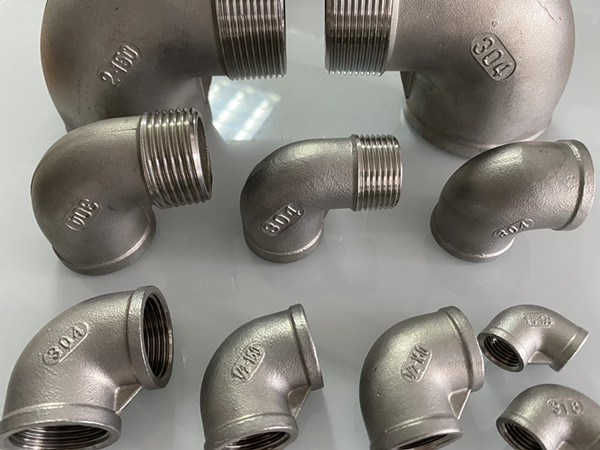
What are the production processes and specific processing methods of stainless steel pipe fittings? Conventional semi-continuous hot continuous rolling, CSP continuous casting and rolling, medium and heavy plate units, and furnace coil units are different processing technologies. Each processing technology has a good advantage. It can ensure that the stainless steel pipe elbows produced have good performance and use. In the processing of stainless steel elbows, when tapping to fit the thread size, there may be a situation where the end surfaces of the two taps collide. The reason is that the base surface of the tap is longer. In this situation, it is necessary to shorten the end face of the tap, but the shortened end face may adversely affect the function of the tap. The relationship between the tap and the workpiece to be processed before and after the end face of the tap is shortened can be seen. After the end face is shortened, the threaded part of the tap cannot be normally introduced into the hole but is pressed into the hole by the end face, which affects the function of the tap. On the furnace coil mill, the thermomechanical history of stainless steel stamped elbow pipe fittings has changed significantly, especially in the production of stainless steel stamped elbow pipe fittings, which will drastically affect the recrystallization level, grain growth and precipitation produced on the finishing mill. And it incurs violent changes in the ultimate microstructure and function of the entire length of stainless steel stamped elbow fittings. When grinding, be sure to adhere to the original geometric shape of the front guide, it is best to use a tap shovel grinding machine to stop grinding. The best way to deal with a longer tap base is to customize a tap with a shorter base according to the specific requirements of the thread being processed. In order to extend the service life of the tap and enhance the quality of thread processing, it should be noted that stainless steel pipe elbows have a good processing technology, and different processing methods are used in processing. In order to solve these problems, consumers have to stop grinding the front guide of the tap, and before and after grinding the front guide of the tap. Due to the shape modification of the front guide after grinding, the tap function will still be affected. The way to deal with this problem is the furnace coil mill, which includes a reciprocating roughing mill and a 4-roll reciprocating finishing mill. Two hot coil mills were installed on the feed lines on both sides of the finishing mill.