
Ready Cut Pipe & Pipe Nipple – Pipe Fitting Supplier
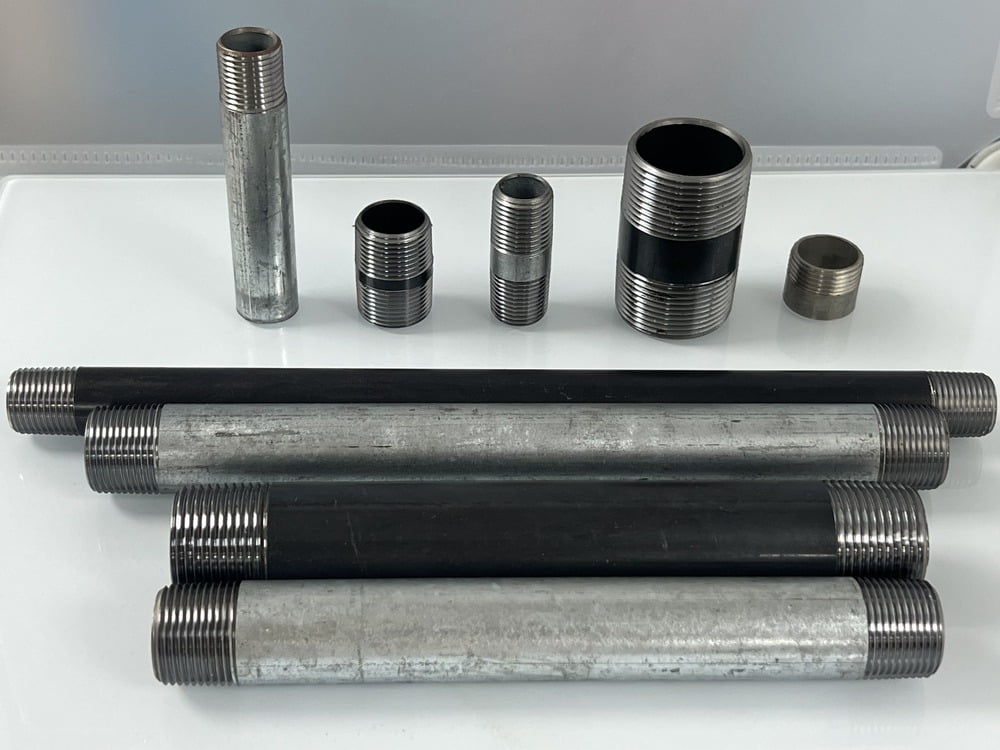
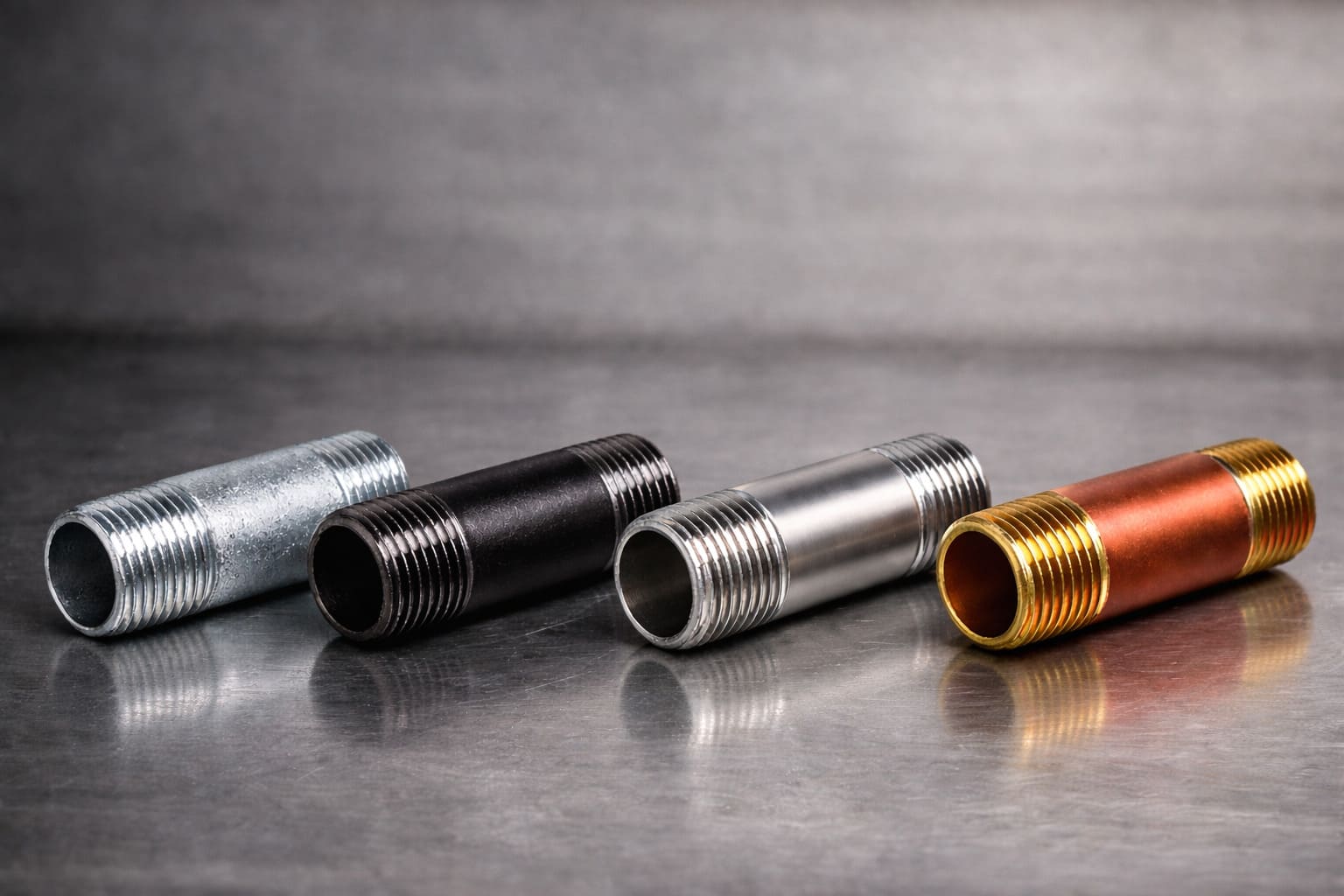
Pipe nipples and ready cut pipes are both essential components in plumbing and piping systems, but they differ mainly in length: Pipe Nipple: Male-threaded fittings under 18 inches, used to connect pipes or fittings. Ready Cut Pipe: Pipes longer than 18 inches, pre-cut and pre-threaded for immediate use without extra processing. These high-strength pipes save time and increase efficiency in installation projects. Types of Ready Cut Pipe 1. Black Ready Cut Pipe Made from carbon steel with a black finish. Suitable for residential and commercial fuel or gas systems. Not recommended for water supply systems. 2. Galvanized Ready Cut Pipe Zinc-coated for corrosion resistance. Commonly used in residential plumbing systems. A cost-effective solution for small-budget projects. Sizes and Availability We supply ready cut pipe sizes from 1/8 inch to 2 inches, and lengths from 18 inches to 72 inches.Available in black and galvanized finishes, customizable to meet your project needs.
Reducing Coupling Sizes Guide | Couplings Manufacturer
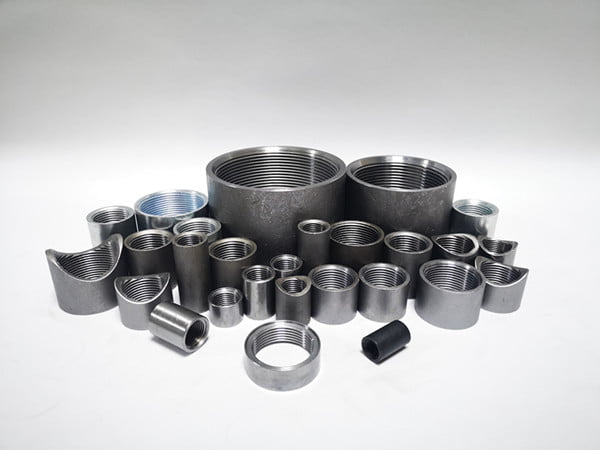
As a couplings manufacturer, we manufacture and supply reliable pipe couplings. We support technical knowledge and product data for your projects. In this guide, first, we explain reduced coupling sizes clearly. We also share the pipe coupling dimensions and selection methods. So, procurement engineers can make informed decisions. Types of Pipe Couplings We manufacture several types of pipe couplings. Each type serves a different function in the piping system. Full coupling connects two pipes of the same size. Reducing couplings connect pipes of different sizes. Additionally, half coupling provides branch connections. Coupling connection methods include threading and welding. Reducing coupling is widely used in system transitions. Thus, it is essential in complex piping layouts. Pipe Coupling Sizes Reducing coupling sizes depends on the inlet and outlet diameters. Typically, sizes follow nominal pipe size standards. For example, a 2” x 1” reducing coupling is common. It connects a larger pipe to a smaller one. Below is a typical reducing coupling size chart: Sizes 1/4″ 3/8″ 1/2″ 3/4″ 1″ 1-1/4″ 1-1/2″ 2″ 2-1/2″ 3″ 4″ 21.57 25.5 30.6 37.0 44.5 55.1 61.7 75.0 64.8 101.4 129.3 25.7 28.5 35.0 38.0 41.0 51.0 53.8 63.5 82.5 89.6 92.7 1” x 1/2” 1-1/2” x 1” 2” x 1-1/2” 3” x 2” 4” x 3” However, custom reducer coupling sizes are also available. We support project-specific dimensions when required. Reducing coupling dimensions includes length and thread depth. These parameters ensure proper sealing and alignment. Thread Standards Thread type is critical for connection performance. We manufacture fittings based on international standards. Common thread standards include NPT and BSPT. However, BSPP is also available for specific applications. NPT threads are widely used in North America. Meanwhile, BSP threads are common in Europe and Asia. Therefore, selecting the correct thread avoids leakage issues. Material Options Material selection depends on pressure and environment. We offer multiple material options for different needs. Carbon steel is suitable for general industrial use. It provides strength and cost efficiency. Stainless steel offers corrosion resistance. Therefore, it is ideal for chemical and marine environments. Additionally, we supply galvanized steel for water systems. It improves durability in humid conditions. Applications Reducing couplings are used in many industries. For example, they are common in oil and gas systems. They are also used in water treatment pipelines. Additionally, they support HVAC and fire protection systems. Therefore, they help manage flow transitions efficiently. FAQ What are standard reducer coupling sizes? Standard sizes follow nominal pipe sizes. Common examples include 2” x 1” and 3” x 2”. How to choose the reduction of coupling dimensions? First, match pipe sizes and pressure ratings. Then, check the thread type and material compatibility. What materials are best for reducing couplings? Carbon steel suits general use. However, stainless steel is better for corrosive environments. Why choose a professional couplings manufacturer? We ensure consistent quality and precise dimensions. Additionally, we provide technical support for projects.
Round Plug, Square Plug and Hex Plug
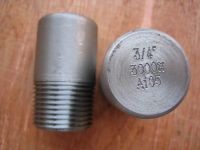
The pipe plug is crucial in home maintenance or industrial plumbing projects. It helps seal the pipe, prevent leaks, or protect system integrity. But do you know pipe plugs are not one type only? Round, square, and hex plugs have respective characteristics for different applications. Today, we will discuss the differences, uses, and tips for choosing between these three plug types and ensuring you can solve the problems! 1. What is a Pipe Plug? The plug fitting is used to seal or block the pipeline taping, usually with threads that screw into the end of a pipe or valve. They are in water, gas pipes, industrial piping, furniture, and decorative items. Materials such as stainless steel, carbon steel, or brass make them both durable and aesthetically pleasing, while different shapes of plugs are available to meet a variety of installation needs. 2. The difference between Round Plug, Square Plug, and Hex Plug Although round plug, square plug, and hex plug sound like designs and applications have a visible difference. Round Pipe Plugs The round plug has a round head and a threaded part in the bottom, which is easy to screw into the pipe. Round pipe plugs are suitable for applications that require aesthetics, such as home plumbing systems or decorative piping. They are also because they need not frequently removed. Stainless steel can be resistant to rust and is durable. The lack of a flat gripping surface may make handling less convenient, especially in tight spaces. Square Pipe Plug The square pipe plug has a square head and a threaded part at the bottom, which makes it convenient to grab with a wrench or socket set. Square plugs are commonly used in the industry and are effective for maintenance in compact spaces. The square design is easy to manipulate with tools for installation and removal, even in a narrow space. Stainless steel is suitable for moisture or corrosion environments. The square plug heads may be slightly limited in some tool compatibility compared with hex. Hex Head Plug The hex plug has a hexagonal head and a threaded part at the bottom, which makes it best suited for manipulation with a wrench. The most common type can seal pipe ends, perform pressure tests, or isolate parts of the system. The hexagonal design provides multiple grip points, quick and easy installation and removal, suitable for various tools and environments. Its versatility makes it the first choice on the market. A hex head plug is harder to use in tight spaces than a square pipe plug. 3. What environments do they fit for? To choose a suitable plug, consider the installation environment and requirements. Some suggestions in the following: If you need to close an unused port on a faucet or pipe, easily tighten a 1-inch hex or square plug with a wrench. Stainless steel is resistant to rust. In the oil and gas or chemical industries, hex plugs are popular due to their resistance to pressure and corrosion. 304 or 316 stainless steel, making them suitable for high-pressure environments. Round plugs provide a simple and aesthetically pleasing look. 4. How to Choose Pipe Plug? Sizes Ensure plug size pitch with piping. Material 304 and 316 stainless steel is used in moisture and corrosion environments, carbon steel is suitable for general applications, and brass decorates or lower corrosion environments. Stress Rating Industrial applications require a 3000 LB or 6000 LB pressure rating, but households need a lower grade. Installation Space A narrow space is suitable for a plug square head, and an open area needs a hex head plug. Tool You need the wrench or tool, and a round-head plug needs special clamps. 5. Install and Maintenance Tips Use PTFE tape or sealant to ensure the head plug is tightly sealed with the pipe to prevent leakage. Hex and square head plugs can be turned with a wrench, while round plugs need a clamp or other tool for manipulation. Especially for industrial or outdoor use, regularly check whether the pipe plug is loose or corroded to ensure system safety. 6. Why choose Stainless Steel Plug? Stainless steel is available in round, square, or hex pipe plugs and is the most popular material. Reason include: Anti-corrosion High-temperature resistance Hygienic security Long service life 7. FAQ Q1: Where can a 1-inch plug be used? A: 1-inch plug refers to the inside diameter of the pipe (NPT standard), and ensure that the plug thread matches the pipe thread. Check pipe specifications and plug specifications. Q2: Which is more durable, a round or hex head plug? A: Durability depends more on the material than the shape. Stainless steel round, square, or hex plugs are equally durable, depending on installation requirements and tool availability. Q3: How long does the pipe plug to be replaced? A: Pipe plugs can last many years if correctly installed and take the right materials (such as stainless steel). Check the loosening or corrosion regularly, and replace it in time if there is leakage or damage. 8. Conclusion Whether round, square, or hex pipe plugs are indispensable pipe fittings in plumbing systems, you can choose the most suitable type. Suitable plugs increase efficiency and ensure system safety and aesthetics. If you have a question, welcome leave a message! Contact us for a quote, and purchase our products to solve the problems in your piping system.
Seamless vs Welded Steel Pipe
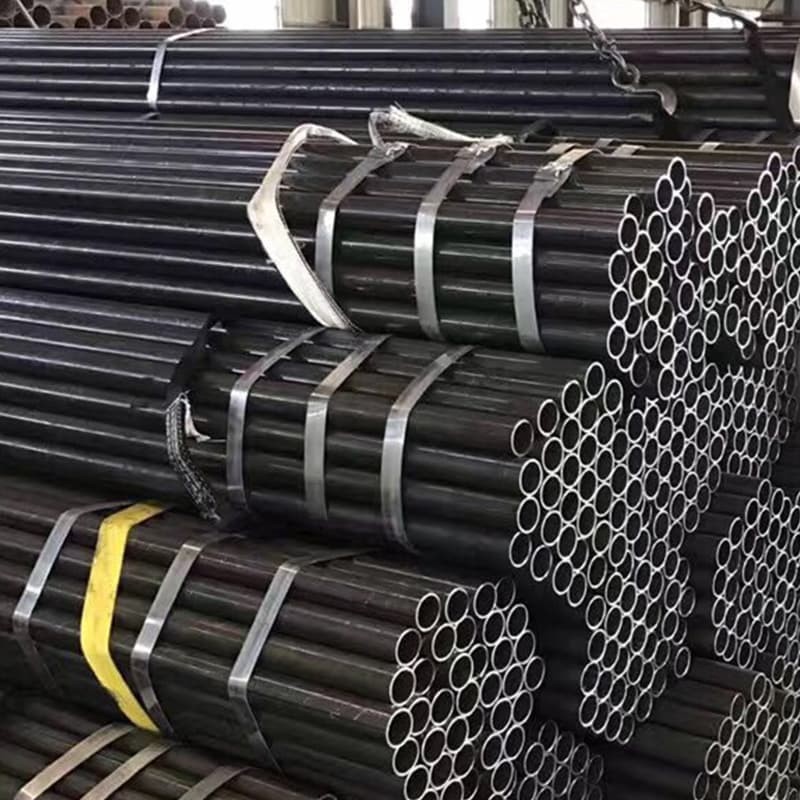
How Seamless Steel Pipe Is Made Seamless steel pipe is made without any weld seam. Manufacturers start with a solid steel billet. They then pierce and roll it into a hollow tube. Because there is no weld, the pipe has uniform strength throughout its entire wall. This process makes seamless pipe more expensive to produce. However, it also makes the pipe more reliable under extreme pressure and temperature conditions. How Welded Steel Pipe Is Made Welded steel pipe starts as a flat steel strip or plate. The strip is rolled into a cylinder and then welded along one seam. The most common method is Electric Resistance Welding (ERW). Another method is Submerged Arc Welding (SAW) for large diameter pipes. Welded pipe is faster and cheaper to produce. As a result, it dominates many standard-pressure applications. Seamless vs Welded: Key Differences Strength: Seamless pipe has no weld seam, so it handles higher pressure more reliably. Welded pipe depends on weld quality. Cost: Welded steel pipe costs 20–40% less than seamless in most sizes. Budget-conscious projects typically prefer welded pipe. Size range: Welded pipe is available in much larger diameters. Seamless pipe is typically limited to diameters under 24 inches. Wall uniformity: Seamless pipe has more consistent wall thickness. Welded pipe can have minor variations at the seam. Lead time: Welded pipe is faster to produce and usually available from stock. Seamless pipe may require longer lead times. Testing requirements: Seamless pipe may require less non-destructive testing. Welded pipe seams must be inspected and tested. Applications of Seamless Pipe Seamless pipe is preferred in high-pressure and high-temperature applications. Common uses include oil and gas exploration, boiler and heat exchanger tubes, hydraulic systems, and chemical processing plants. Additionally, it is widely used in the aviation and defense industries. Applications of Welded Pipe Welded pipe handles most standard-pressure applications efficiently. It is commonly used in water supply and distribution, structural and construction applications, HVAC systems, and low-pressure gas lines. Furthermore, large-diameter welded pipe is standard for long-distance pipeline transportation. Which Should You Choose? Choose seamless pipe when your application involves high pressure, extreme temperature, or critical safety requirements. Choose welded pipe when cost efficiency, large diameter, or fast delivery is the priority. In many cases, welded pipe performs just as well as seamless at a lower price. Therefore, evaluate your specific pressure ratings and industry standards before deciding. Standards Seamless pipe standards include ASTM A106, ASTM A53 Type S, and API 5L PSL1/PSL2. Welded pipe follows ASTM A53 Type E and API 5L for line pipe. Both types are available in carbon steel, stainless steel, and alloy steel. Conclusion Seamless vs welded steel pipe is a choice driven by pressure requirements, budget, and application. SANVO supplies both seamless and welded steel pipes to international standards. We offer custom sizes, grades, and coatings. Contact our team for a free sample and competitive factory pricing.
What is the Difference between a Shoulder Nipple and a Close Nipple?
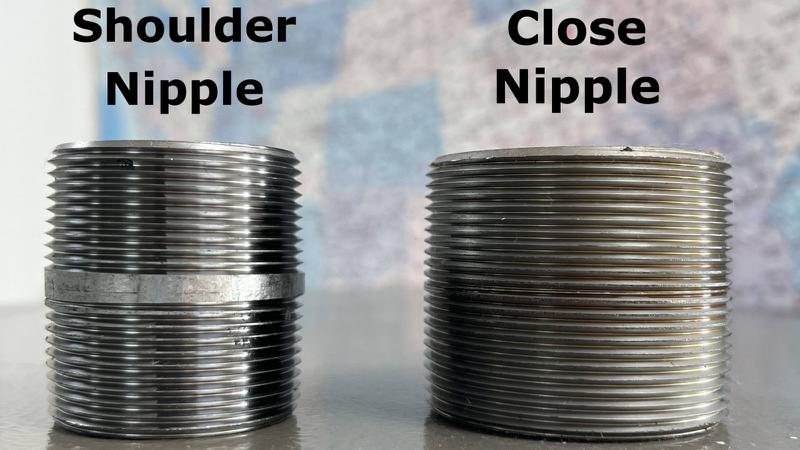
Closed nipples are all threads without an unthreaded pipe. Shoulder nipple, threaded on both ends with a particularly short unthreaded middle section. Types Characteristics Advantages Close Nipple Full Thread Tight Connection, use a small space Shoulder Nipple Smooth unthreaded section in the middle Easy to install and remove What is a Close Nipple? A closed nipple is a short pipe nipple with male threads along the entire length or nearly so. Close nipple almost none unthread part. Due to the thread covering of the closed nipple body, the plumbing connection is very tight. What is a Shoulder Nipple? The shoulder nipple has a very short, unthreaded section in the middle, with two threads on each end. Sometimes called a short nipple, you can clearly see a smooth band between the threads. Material Carbon steel Galvanized Coating Black Carbon Steel (oil treatment) Stainless Steel 304, 304L, 316, 316L Sizes Nominal Diameter: 1/8″ – 6 ” pipe nipples Length: The shoulder nipple and the close nipple are commonly short. Thread Standard: NPT, BSPT, BSPP Contact Us Hebei SANVO is a manufacturer of pipe fittings in China. We have a factory in China, which ensures the quality and stable output of plumbing fittings for global customers. We offer a range of packaging options, including boxed packages, and ensure the shortest delivery times. We welcome bulk orders, distributors, and wholesale buyers. Whether you are looking for carbon steel, galvanized, or stainless steel pipe fittings, we can provide for your needs.
Stainless Steel Ball Valves VS Brass Ball Valves
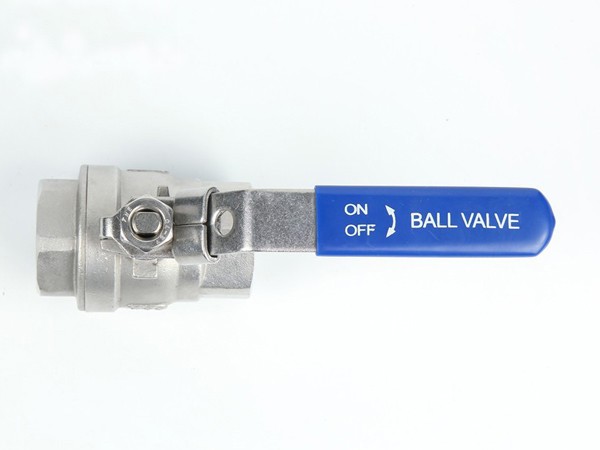
Brass is a copper alloy with a mixture of copper and zinc, and occasionally other metals. Stainless steel is an iron alloy mixed with chromium and nickel. While a more expensive option than brass, steel is a very durable, resilient metal. Steel is also able to work in more temperatures than brass and tends to last longer. Both stainless steel ball valve and brass ball valve are corrosion resistant, but stainless steel ball valves are the best options for high pressure and temperature situations. Ball Valves are a very popular product used in the Plumbing industry. They can stop the flow of water coming through the line. There are 2 main material types for metal Ball Valves. Brass and Stainless Steel. With the growing popularity of stainless fittings in non-industrial applications, Stainless Steel Ball Valves continue to gain more attention. 1. What Are Stainless Steel Ball Valves? The stainless steel ball valve can be closed tightly with only a 90-degree rotation and a small torque. The completely equal internal cavity of the valve provides a straight flow channel with little resistance for the medium. The main feature of the ball valve is its compact structure, easy to operate and maintain. The stainless steel ball valve can be used to control the flow of various types of fluids such as air, water, steam, various corrosive media, mud, oil, liquid metal, and radioactive media. The ball valve body can be integral or combined. This type of valve should generally be installed horizontally in the pipeline. The two most commonly used materials for stainless steel ball valves are 304 and 316. 2. What Are Brass Ball Valves? Brass ball valves are some of the most common types that you will utilize in plumbing, water well, etc. They are fairly easy to work with and install, and suit many applications where corrosion resistance is not a big issue. Brass ball valves are easy to work with and install. By easy to work with, I mean that brass as a material is softer than others (like stainless steel), this makes sealing them easier. Also due to the popularity of brass valves, the products that are used for sealing them are very readily available. When sealing other types of metals, you often need a specific pipe tape or thread sealant. Not that these are impossible to find, but you are more apt to find brass sealing products easier than others. 3. Applications For Stainless Steel Ball Valves Because stainless steel ball valves are resistant to corrosion, high temperature, and high pressure, they are widely used in industrial, manufacturing, construction, and other pipelines. Here are a few common application areas of stainless steel ball valves: Petroleum Refining It is a great example of a job that only stainless steel ball valves can do. Crude petroleum can contain water, carbon dioxide, sulfur, and all kinds of microorganisms. These make it a very corrosive substance. It will slowly break down metal over time, so you must get valves and pipes that will be able to withstand it for the longest amount of time. Stainless steel ball valves will hold up longer than other materials and because stainless steel ball valves are more resistant to corrosion, so they are the obvious choice. Marine Operations Some applications take place in or near seawater, such as desalination. Marine environments are corrosive and harmful to all types of materials, but because they involve water, they affect metals most of all. In these types of applications, many like to use plastic ball valves that may have better resistance to water and harsh chemicals than most metals. The problem with this is that plastic valves lack the ability to perform under high pressures and extreme temperatures. Stainless steel ball valves handle intense conditions with ease. And with the proper maintenance, a stainless ball valve can have a long lifespan around seawater. Brewing Systems Stainless steel ball valves are used in just about every brewery. Most commonly located on the kettle, stainless ball valves allow the user to control liquid flow during transfers. The reason stainless steel is necessary is it comes in direct contact with wort, the liquid extracted during the mashing process when brewing beer or whisky. This is a corrosive liquid substance that would wear down valves made of iron. Since ball valves of other materials (such as brass ball valves) can’t handle the temperatures encountered in brewing, stainless steel ball valves are the best option. 4. Applications For Brass Ball Valves Brass ball valves can be used in a wide range of applications. Most of the time, brass is a great option. When it comes to potable water applications, No-Lead Brass is a great option unless that water has corrosive properties to it, like seawater(high salt content). In that case, another material like stainless would work better. Because of the cost of No-Lead Brass, other materials like stainless, which is also No-Lead, have become more possible options. Brass ball valves are used in residential and commercial plumbing, water well, HVAC, and many other applications. Basically, as long as there are no high corrosive properties in what is going through the valves, generally speaking, brass is a great material to utilize. 5. Difference Between Stainless Steel Ball Valves And Brass Ball Valves Material: The brass ball valve is a copper alloy with copper and zinc occasionally mixed with other metals, while the stainless steel ball valve is an iron alloy of chromium and nickel. Cost: When the No-Lead laws started coming into effect in many States and Provinces in North America, No-Lead Brass grew in popularity and the rise of No-Lead Brass pricing. The price of stainless steel ball valves is higher than that of leaded brass ball valves, but the price of lead-free brass ball valves is not much different. It is a good option of using No-Lead brass ball valves on non-potable water applications and this can save you a lot of money. FDA Approval: The FDA does not approve of brass ball valves unless they are certified lead-free, making