
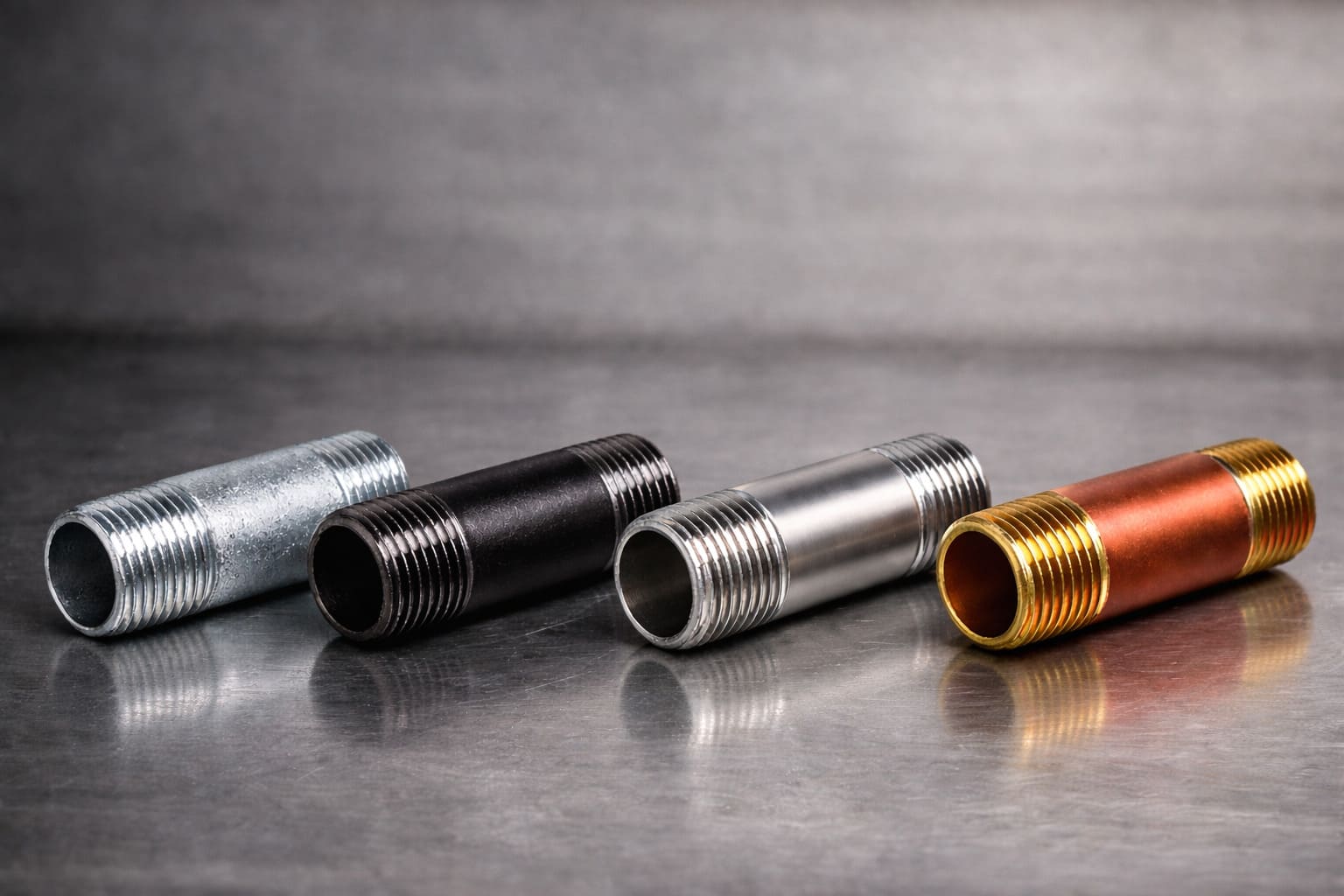
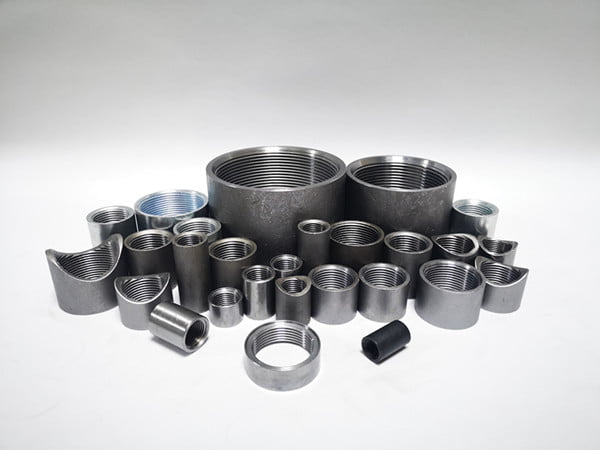
Types of Nipples: Understanding Pipe Nipples and Their Applications
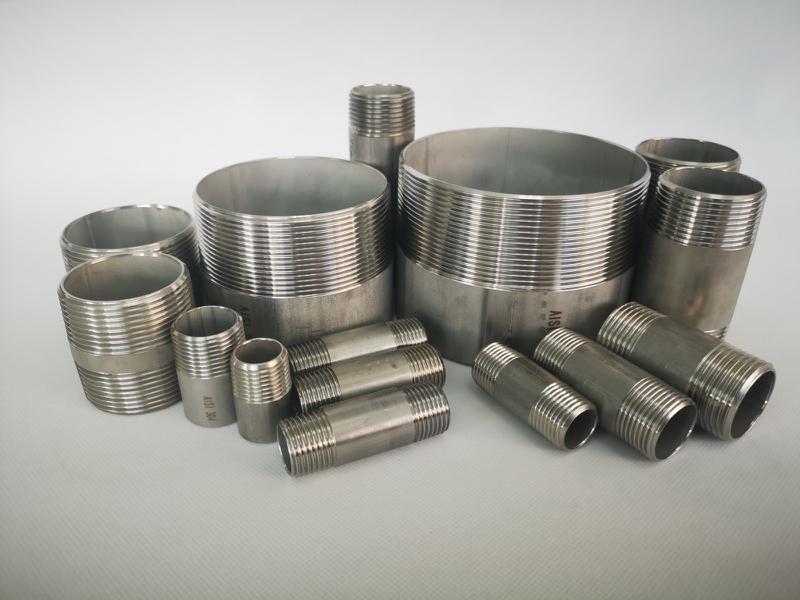
What is a nipple in plumbing? In plumbing, a nipple is a short pipe with male threads on both ends. It is used to connect two female-threaded fittings or pipes. The primary purpose of a nipple is to create a secure and leak-proof connection between different sections of a piping system. Pipe nipple, barrel nipple, close nipple, threaded pipe nipple, tubing nipple, screwed pipe nipple, and plumbing nipple are all it’s named. The pipe nipple is a kind of pipe fitting with male threads on both ends and a nonthreaded middle. It plays a significant role in plumbing, construction, and the delivery of liquids or gases. Next, we will discuss the characteristics, benefits, and materials of barrel nipples and provide insights into various other types of nipples. Key Features of Pipe Nipples The double-threaded design makes more secure and firm connections between pipes. When installed, the male threads on the pipe nipple engage tightly with the female threads of pipes, reducing the likelihood of water leaks and ensuring a long service life. Applications of Different Pipe Fitting Sizes Different sizes are suited for various applications based on the requirements of flow, pressure, and the type of system in use. 1/8 Inch to 1/4 Inch: These smaller fittings suit low-flow applications like instrumentation, gas lines, and mini-plumbing systems. They are ideal for connecting gauges or valves in tight spaces. 1/2 Inch to 3/4 Inch: Commonly found in residential plumbing, these sizes suit water supply lines and heating systems, and the need is fully satisfied. 1 Inch to 2 Inches: Often employed in commercial plumbing and industrial settings, these fittings handle higher volume fluid. They are suitable for main water lines, irrigation systems, and HVAC installations where mass flow rates are required. 3 Inches and Above: These are ideal for heavy-duty industrial applications, including waste management systems, large-scale irrigation projects, and fire protection systems. Convenient for accommodating significant pressure and flow rates necessary for such demanding environments. Understanding the specific application helps to choose the correct size fitting to maintain efficiency and safety within a piping system. Advantages of Using Pipe Nipples Because of the simple design and standard size of the pipe joint, installing pipe nipples is fast and easy without requiring extensive modifications. Resilient to wear and tear, durability ensures that installations remain functional for many years. Does not need frequent replacements or repairs. Material Barrel nipples can be made from various materials, including steel, stainless steel, and brass, each suitable for specific applications and conditions. Carbon Steel: Common nipple types include galvanized and black nipples, known for their strength and durability. Carbon steel barrel nipples in high-pressure applications can endure harsh conditions and are typically more affordable than stainless steel. Stainless Steel: Stainless steel barrel nipples resist corrosion and staining, making them ideal for environments where exposure to water or chemicals is prevalent. Their durability and appearance contribute to their popularity in the plumbing and food processing industries. Brass: Brass barrel nipples are well-known for being durable and resistant to rust and corrosion. They are frequently used in plumbing because they can maintain high-quality connections over time. Furthermore, brass fittings provide an attractive appearance in exposed plumbing systems. Conclusion Pipe joints are regarded as critical components in various piping systems thanks to their unique design and clear advantages. Their versatile sizing, threaded ends, and material options contribute to their widespread use in plumbing and industrial applications. Understanding the different types of nipples and their specific functionalities can boost the effectiveness and reliability of any piping project. When selecting fittings, it is essential to consider the application requirements, environmental factors, and material properties to ensure optimal performance and longevity.
How many types of pipe coupling are there?
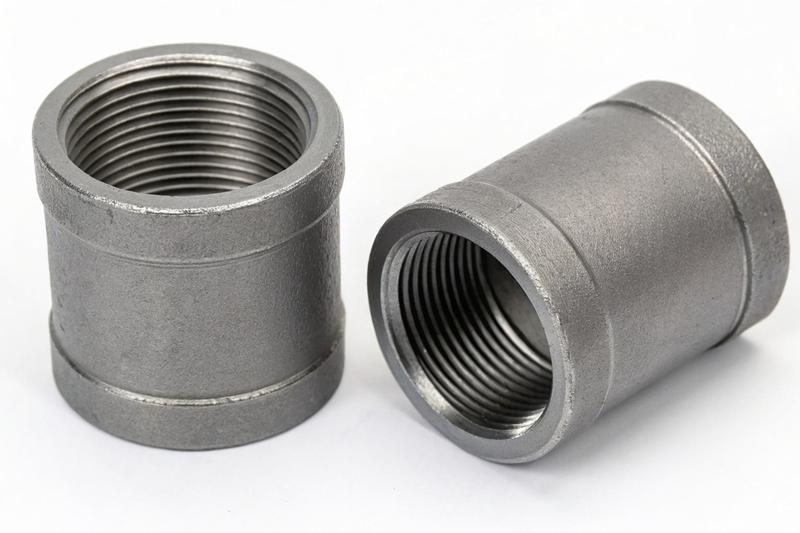
If you’ve ever worked with pipes in plumbing, construction, or industrial systems, you know how crucial couplings are. They connect pipes, redirect flow, and even help with repairs. But how many types of pipe couplings are there? And which one should you use for your project? Let’s break it down in simple terms to pick the right one without the headache. What is Coupling? Okay, let’s talk about those handy little connectors that keep your pipes together – pipe couplings! Think of them as the handshake method between two pieces of pipe, making sure whatever’s flowing inside stays put and goes where it needs to go. Choosing the right one is key, and there are a few different coupling types, each with its superpower. Application of Coupling Here are the key applications of pipe couplings: Joining Pipes: Their primary job is connecting two pipe sections.Pipe Repair: Used to fix damaged or leaking parts of a pipeline.System Assembly: Essential for putting together new piping systems or adding to existing ones.Connecting Different Pipes: Can join pipes of different sizes or materials.Allowing Movement: Some types help handle vibration, expansion, or contraction.Faster Installation: Often quicker and easier to install than welding.Safer Installation: Can avoid the need for hot work like welding.Temporary Setups: Great for quick or temporary connections. Types of Couplings Full Coupling and Half Coupling are like siblings in the threaded coupling family, often used for similar jobs (especially creating connections), but built slightly differently for specific purposes. Full Coupling vs. Half Coupling: What’s the Difference? Full and half couplings are short pipes used to join things, but their structure gives them different primary roles. Full Coupling: The Two-Sided Connector What it is: A short cylinder that’s threaded on the inside at both ends.How it works: Its basic job is to connect two pieces of threaded pipe in a straight line. You screw one pipe into one end and the other pipe into the other end. You can also weld the outside of a full coupling onto the surface of a larger pipe or tank. (though this is less common when welded onto a surface). Half Coupling: The Single-Sided Specialist What it is: This is a short cylinder with a female thread on one end. The other end is typically plain or beveled, specifically designed to be welded onto a flat or curved surface.How it works: Its main purpose is to be welded onto the side of a larger pipe. You weld the unthreaded end onto the surface. The threaded end gives you one convenient threaded connection to another pipe.It cannot connect two pipes inline using threaded connections, because it only has threading on one end. Reducing Coupling What if you need to connect a big pipe to a smaller one? A standard coupling won’t cut it. Enter the reducing coupling! This one looks like a cone, allowing it to connect pipes of different diameters. It smoothly transitions the flow from different diameter pipes. Compression Coupling They typically consist of a main part, a nut on each end, and a ferrule between the nut and the pipe. As you tighten the nuts, the ferrule gets compressed onto the pipe surface, creating a super-tight, leak-proof seal without needing threads or welding. Ideal for situations where you need a joint that is easy to assemble and disassemble. Often used with copper, plastic, or even some metal pipes. Slip or Repair Coupling A slip coupling (sometimes called a repair coupling) doesn’t have that stop. You can slide one end of the pipe onto the fitting, then line up the other end of the pipe, and slide the coupling back over both ends to bridge the gap. Super handy for repairs! Your go-to for fixing a broken pipe section. Grooved Coupling Grooved couplings are popular for larger pipes. These require the pipe ends to have a groove rolled or cut into them. A coupling is a part that fits over a gasket. The gasket seals against the pipe and fits into the grooves. Bolts hold the two halves of the housing together, keeping the pipes and gasket in place. They resemble a clamp. Fast installation compared to welding allows for some flexibility and movement in the pipe system, and is easy to disassemble for maintenance. Flange Coupling Flange couplings are the answer when you need a robust connection, especially for large pipes, high pressures, or connections that might need to take things apart (like connecting a pipe to a pump or valve). This method involves attaching a “flange” (a flat, often round disk with bolt holes) to the end of each pipe. A gasket is placed between the two flanges. Use bolts to clamp the items tightly together. This creates a strong, leak-proof joint. Very strong, reliable for high pressure/temperature, and makes it easy to connect/disconnect sections or equipment. Takes more space and effort than some other types. Which Coupling Should You Use? Here’s a quick comparison table to help you decide: Type Best For Advantages Disadvantages Full Coupling Permanent connections Strong, reliable Requires welding/threading Half Coupling Tank/vessel connections Simple installation Limited to low-pressure uses Reducing Different pipe sizes Versatile May cause flow restriction Compression Quick repairs No welding needed Not ideal for high pressure Slip Coupling Emergency fixes Easy to install Less secure long-term Flanged High-pressure systems Extremely durable Heavy, requires bolts Grooved Fire sprinklers, HVAC Fast installation Needs special tools Coupling Dimensions
Ultimate Guide to Seamless and Welded Steel Pipes
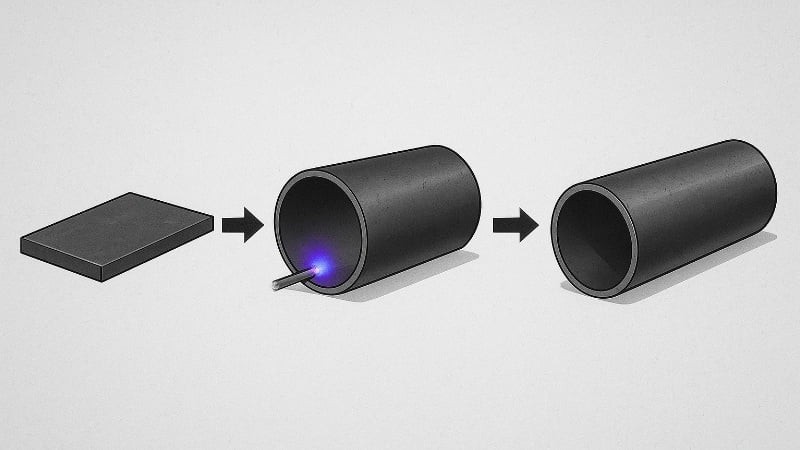
Welded Pipe Manufacturing Process Welded steel pipes are produced by forming a steel coil or plate into a cylindrical shape through hot or cold rolling and welding. Welding and forming methods vary depending on the product. After welding, pipes undergo internal and external seam trimming and smoothing, end conditioning (plain, grooved, or threaded), and anti-corrosion treatments such as oiling and galvanizing coating. Seamless Pipe Manufacturing Process Seamless steel pipes are produced without any welding seam. They are manufactured by piercing solid steel billets and forming them into hollow tubes through a series of thermal and mechanical processes. Seamless pipes provide superior strength, uniformity, and high-pressure resistance, making them essential in oil & gas, boilers, hydraulic systems, and high-temperature applications. Seamless vs. Welded Pipe: Advantages and Disadvantages Seamless Steel Pipe Advantages The seamless steel pipe without a weld seam has uniform strength throughout. Ideal for high-pressure, high-temperature, and critical service conditions. Uniform structure, high toughness, long-term service. Suitable for precision and heavy-wall applications, such as hydraulic cylinders, boiler tubes, and oil & gas lines. Disadvantages The processes of complex manufacturing, piercing, rolling, and sizing make the seamless pipe more expensive. More difficult to produce large diameters compared to welded pipes. Compared to the welded pipe, the wall thickness tolerance can vary more. Welded Steel Pipe Advantages Lower cost and higher production efficiency. Smooth internal surface, Suitable for low- to medium-pressure fluid transport. Wall thickness, diameter, and length can be tailored easily. Disadvantages Weld can be a weak point under very high pressure or extreme service conditions. Not ideal for ultra-high-pressure applications, Seamless pipes perform better for boilers, hydraulic systems, and critical oil & gas operations. Comparison Table Feature Seamless Steel Pipe Welded Steel Pipe Weld Seam None Present Strength & Pressure Resistance Higher Moderate, depends on weld quality Mechanical Properties Superior Good, but affected by welding Cost Higher Lower Wall Thickness Uniformity Slight variation Very consistent Ideal Applications High pressure, high temperature, critical service Low/medium pressure, structural, large-diameter pipelines Dimensions and Wall Thickness of Seamless vs. Welded Pipe Common Dimensional Standards We produce seamless steel pipes and welded Steel Pipes in NPS from 1/8 inch to 48 inches (DN 6 – DN 1200). Standards include ASTM A106, API 5L Gr. B, ASTM A53. Pipe Schedule We produce seamless pipes and welded steel pipes, which can achieve SCH 10, SCH 20, SCH 40, SCH 80, SCH 160, XS, and XXS. Application Recommendations Seamless Pipes – Best For High pressure, high temperature, or critical service Thick-wall pipe requirements Small-diameter precision tubing Oil & gas, boilers, hydraulic systems, pressure vessels Welded Pipes – Best For Large-diameter pipelines Water supply, fire protection, and structural applications Medium- and low-pressure systems Stainless steel decorative tubing, thin-wall applications Cost-sensitive projects Pipe End Finishes for Welded and Seamless Pipes Both welded and seamless steel pipes can be supplied with different end types depending on installation requirements, connection method, and industry standards. Below are the most common and engineering-approved end finishes. Plain End (PE) Pipe end is cut round with no additional machining. Can be supplied deburrred, faced, or lightly chamfered Features: Most economical, Simple processing, High versatility Threaded End (TE) It can be used for both, but is more common in welded pipes. Threads typically follow NPT, BSPT, or BSPP standards. Usually with thread protector caps. Thread options: Male Thread Female Thread (less common, usually used on fittings) Note: For seamless pipes, threading is also common for high-pressure fittings (e.g., ASTM A106 Gr.B). Grooved End Groove cut at pipe end for mechanical coupling systems (Victaulic groove type). Used in: fire sprinkler systems, HVAC systems, low or medium-pressure water distribution Advantages: Fast installation No welding needed on site Easy maintenance Flanged Ends Pipe ends are prepared to connect with a flange. Used for high-pressure service. Conduit Ends (for threaded pipes) Common for welded and seamless small-diameter pipes Pipes supplied with one socket/coupling + one male thread Standard for plumbing & fire protection pipes Bell End For socket-type joining, mostly for water pipes. Key Considerations When Purchasing Seamless and Welded Steel Pipes Material Standards & Specifications Ensure the pipe grade meets the required international standards (e.g., ASTM, ASME, API, EN, DIN). Seamless: ASTM A106, ASTM A53, API 5L Gr. B Welded: ASTM A53, ASTM A312, API 5L Gr. B Manufacturing Process Different processes lead to different performance levels: Seamless pipes: hot-rolled, cold-drawn, or cold-rolled. Welded pipes: ERW, LSAW/SAW, SSAW, TIG-welded for stainless steel. Pressure & Temperature Requirements Seamless pipes generally perform better under high pressure, high temperature, or cyclic loading. Welded pipes are suitable for medium- and low-pressure systems. Choose the correct schedule (SCH) or wall thickness accordingly. Corrosion Resistance Requirements For corrosive environments, assess: Material grade (e.g., 304/316 stainless, galvanized steel) Surface finishing: hot-dip galvanizing, black sandblasted Expected lifespan in the intended application Request a quote Sanvo stays fully stocked with the best inventory of welded and seamless steel piping products in the industry. We have a factory, ensuring buyers get the pipe they need faster and at the best price. In this guide for buyers of seamless and welded pipe, we will help you navigate the procurement process from start to finish. We aim to ensure that you acquire what you need as quickly and efficiently as possible when it’s time to make a purchase. If a piping purchase is in your near future, request a quote. We’ll provide one that gets you exactly the products you need—fast.
Understanding Grooved Piping Systems for Fire & HVAC
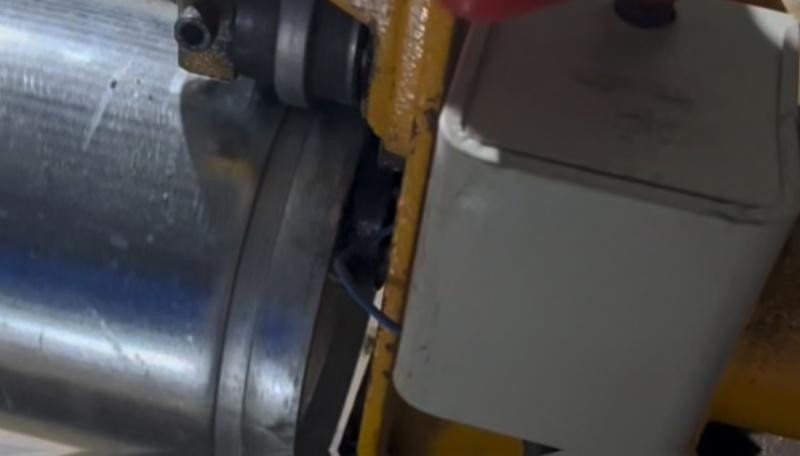
Technologies of Grooved Piping Groove technology is a type of piping connection through process grooving on the pipe ends, and specially grooved couplings to the piping system connection. The grooved ends are formed by rolling or cutting. Grooved couplings are produced from steel and have an installed internal sealing ring to ensure sealing and leakproofness of the piping system. The worker needs to insert the pipe ends into the connectors and tighten the bolt to complete the connection without welding or the threading process when installing. Principal Advantages Faster installation and saves 50% to 70% time than a welding connection. Convenient for maintenance due to fast removal and replacement design. The seal ring can reliably prevent leaks. Higher safety. Connected by grooved couplings can reduce noise. Grooved coupling, small size, and tightened to save space. Common Grooved Fittings The grooved pipe is typically not used on its own; it requires compatible grooved fittings to create complete piping systems. They are common types of grooved fittings below: Grooved Coupling Grooved Elbow Grooved Tees & Cross Grooved Flange The “grooved end pipe + grooved pipe fittings” are the components of the grooved piping system, which achieve complete piping systems by using different types of grooved pipe fittings. The grooved system is installed quickly, safely, reliably, and easily maintained. Pressure Class of Grooved End Pipe The pressure class of grooved end pipes and grooved fittings depends on pipe material, wall thickness, diameter, and the types of grooved pipe fittings. The common pressure range of the grooved end pipe is 150 to 600 psi. Main Standards for Grooved Pipes & Fittings Grooved pipe and fittings have production and test standards unified internationally. Different regions have a few differences, but core content includes size, tolerance, grooved profile, connection perforation, and pressure requirement. AWWA C606 was developed by the American Water Works Association, which specifies groove sizes, tolerances, grooved depth, sealing ring requirements, and testing methods. It is the most commonly used in America for fire protection, HVAC, and industrial piping systems. ASTM A795 and ASTM A53 specify sizes and performance standards that are typically used in conjunction with AWWA C606. ISO 6182-12 / ISO 4200 are standards developed by the International Organization for Standardization (ISO) to outline the technical requirements for grooved pipe fittings. These requirements encompass mechanical strength, sealing performance, and pressure-resistant classifications. Grooved fittings are commonly used in Europe, Southeast Asia, the Middle East, and various international markets. The European Committee for Standardization developed EN 10226 / EN 10255, which are suitable for the European Union and European markets. UL Listed and FM Approved products, developed by Underwriters Laboratories and Factory Mutual, are designed for grooved pipes and fittings used in fire sprinkler systems. This certification ensures that the products have undergone structural, pressure, and corrosion testing. Only those products that have completed UL/FM certification can be utilized in fire protection projects across North America.
DIN, BS, ISO Pipe Nipple Standards Explained
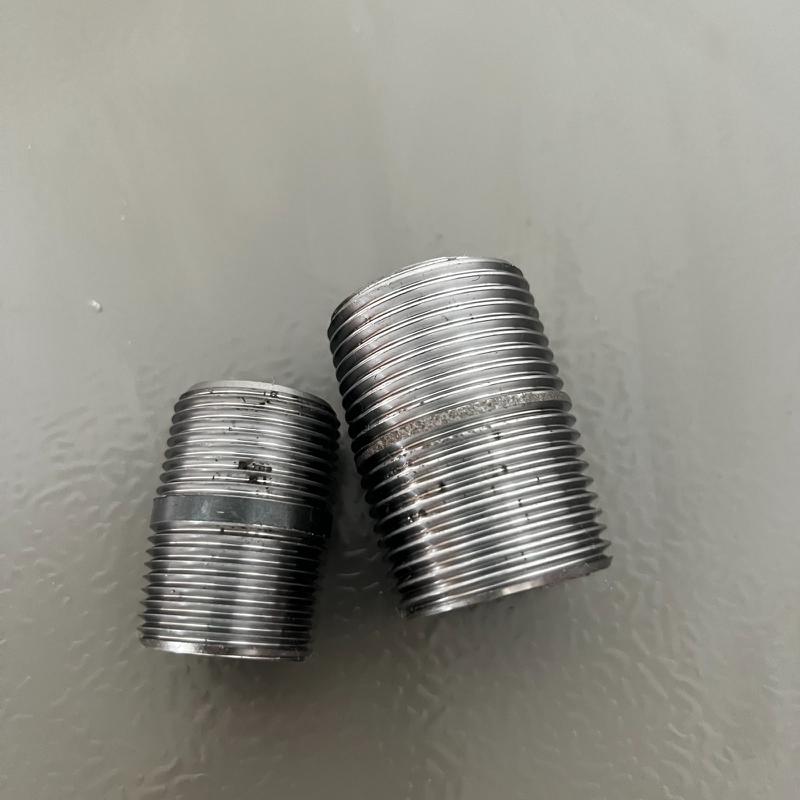
This guide mainly discusses the standards of pipe nipples. Dimensions Thread standards Material standards Standards defined by International Organization for Standardization (ISO), Deutsches Institut für Normung (DIN), and British Standards Institution (BS) directly affect sealing performance, compatibility, and safety in piping systems. 1. Pipe Nipples: Thread Standards 2. Material Stankards for Pipe Nipples 3. Dimensional Standards 1. Pipe Nipples: Thread Standards (1) ISO Thread Standards ISO 7-1 (Pressure-tight threads) Tapered threads (R) Used for sealing directly through threads Common in gas and industrial pipelines Equivalent to BSPT in many applications (2) DIN Thread Standards DIN 2999 German standard for tapered pipe threads Technically aligned with ISO 7-1 Widely used in continental Europe In practice: DIN 2999 ≈ ISO 7-1 (3) BS Thread Standards (BSP) BS 21 Defines BSP threads: BSPT (Tapered) Self-sealing High-pressure use BSPP (Parallel) Requires gasket Easy assembly (4) Key Differences Standard Thread Type Sealing Method ISO 7-1 Tapered Thread sealing DIN 2999 Tapered Thread sealing BS 21 (BSPT) Tapered Thread sealing BS 21 (BSPP) Parallel Gasket sealing 2. Material Standards for Pipe Nipples This is where most buyers get confused: ISO / DIN / BS mainly define dimensions and threadsMaterial standards are often defined under: ASTM International European Committee for Standardization (EN standards) (1) DIN / EN Material Standards DIN / EN equivalents: EN 10255 → similar to BS1387 EN 10216 → pressure pipes DIN EN 10025 → structural steel Used widely in Europe for compliance (2) BS Material Standards BS 1387 → traditional steel pipes Now mostly replaced by EN standards (3) How Buyers Should Choose Europe projects: EN / DIN preferred US or global: ASTM preferred Mixed projects: Choose materials with dual certification Click here to select suitable pipes for your industry and get the information you need! 3. Dimensional Standards (1) DIN 2440 Defines pipe dimensions and thickness Common in water, gas, and HVAC systems Suitable for medium and low-pressure applications (2) BS Dimensional Standards BS 1387 Covers light, medium, and heavy pipes Used for water, gas, and structural applications Widely used before being gradually replaced by EN standards (3) EN Standards Material and dimensional standards in Europe are now largely unified under: European Committee for Standardization (EN) Common EN standards: EN 10255 → Non-alloy steel pipes (similar to BS 1387) EN 10216 → Pressure pipes EN 10217 → Welded pipes Conclusion Understanding pipe standards is essential for correct selection: Dimensional standards ensure fit Thread standards ensure sealing Material standards ensure performance Choosing the right combination helps avoid leakage, incompatibility, and costly failures.
Welded pipe nipples vs threaded pipe nipples: Which is more suitable for your project?
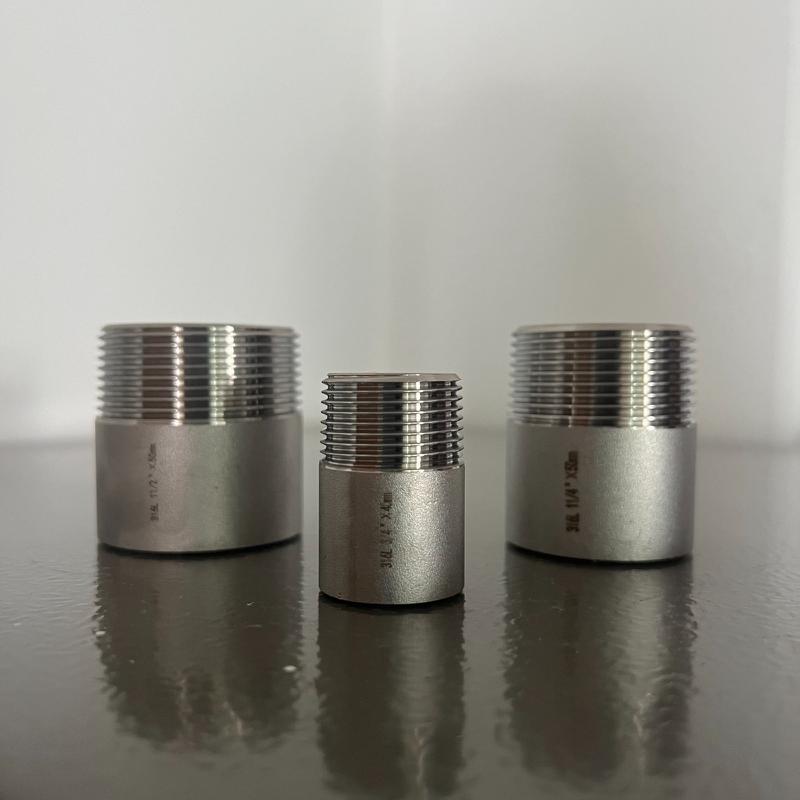
When selecting pipe nipples for a project, there are two popular options: welded and threaded pipe nipples. They have distinct features, advantages, and suitable applications. In the following, we will explore their differences and help you make the best choice. 1. Welded Pipe Nipple Welded pipe nipples are connected to pipes or fittings by welding, creating a permanent and robust connection. Key Features Welded connections are solid and reliable, especially for high-pressure systems. Welding reduces the risk of leaks. Welding pipes can handle a wide range of temperatures and pressures. Their material usually includes carbon steel, stainless steel, or other robust materials. Common Applications High-pressure pipelines. Chemical and petrochemical industries. Steam, oil, and gas distribution systems. Extreme environments require long-lasting connections. Advantage They can leak-proof and secure connections. It is suited for permanent installations. Excellent for high-pressure and high-temperature systems. Disadvantage Requires skilled labor and specialized equipment when installing weld nipple fittings. It is time-consuming to install or modify. It is can not reusable. 2. Threaded Pipe Nipple Threaded pipe nipples have male threads on one or both ends, allowing them to screw into fittings or other pipes. Key Features No special tools are required to install or remove easily. Compatible with common thread standards like NPT (National Pipe Thread) or BSP (British Standard Pipe). Available in various lengths, diameters, and materials, including galvanized steel, stainless steel, and brass. Common Applications Residential plumbing systems. Low to medium-pressure applications. Where temporary use or frequent disassembly applications. That requires corrosion resistance applications (e.g., galvanized or stainless steel threaded nipples). Pros Easy to assemble and disassemble. Reusable. No welding equipment or expertise is needed. Cons Risk of leaks if threads are damaged or improperly sealed. Less suitable for high-pressure or high-vibration environments. Establishing a connection may require thread sealant or tape. 3. Comparing Welded vs. Threaded Nipple Aspect Welded Nipple Threaded Nipple Installation Requires welding tools and expertise. Simple, requires basic tools. Strength Stronger, ideal for permanent systems. Moderate, suited for low to medium pressure. Leak Prevention Excellent seal with no gaps. Dependent on thread quality and sealing materials. Flexibility It is not removable once welded. Easy to remove and reuse. Cost Higher installation cost. Lower installation cost. Applications High-pressure, high-temperature systems. Residential, temporary, or low-pressure projects. 4. How to weld pipe? Prepare professional tools, such as SMAW, TIG, MIG, or SAW, and choose the suitable welding material according to the pipes. Clean the fittings before formal welding to prevent dust and impurities that may influence the welding process. First, weld several points at the gap of the pipe nipple butt, and take a lower electricity backing weld on the first to ensure the welding line melts through. Fill welding increases the thickness, and cover welding offers an aesthetic appearance. After successful welding, examine and clean the welding line to remove residue, ensure quality, and improve performance through heat treatment. Please control the temperature, maintain ventilation, and select the correct position during welding. 5. How to remove the broken threaded pipe? You can choose a handle or electric tool when removing the threaded steel pipe nipple because suitable tools can avoid secondary damage. First, use the lubricant and beat it lightly to loosen the connection; second, rotate the edge of the pipe nipples with tools after the interpenetration lubricant. If the threaded nipple is badly damaged, you can take a cut or heat action. Don’t push too hard when removing the process to prevent aggravating the threaded part of the stuck. 6. Choosing the Right Option Welded Nipple is Ideal For: Long-term or permanent installations. High-pressure and high-temperature systems. And environments demand maximum durability and leak-proof performance. Threaded Nipple is Ideal For: Systems requiring flexibility or frequent modifications. Low to medium-pressure applications. That temporary uses or budget-conscious projects. 7. Conclusion Choose welded or threaded pipe depending on your project’s specific requirements. Welded pipe fittings are best for high-pressure systems, which can offer a durable connection; threaded pipe fittings are the choice for versatility, reusability, and ease of installation. Please consider your project’s needs carefully to ensure the best fit.