
What Is The Difference Between Galvanized And Black Pipe?
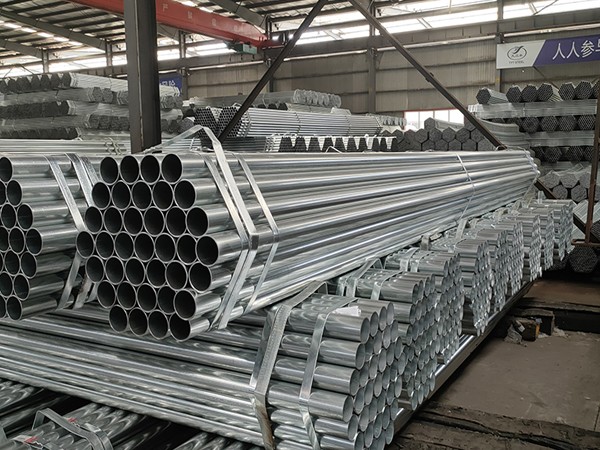
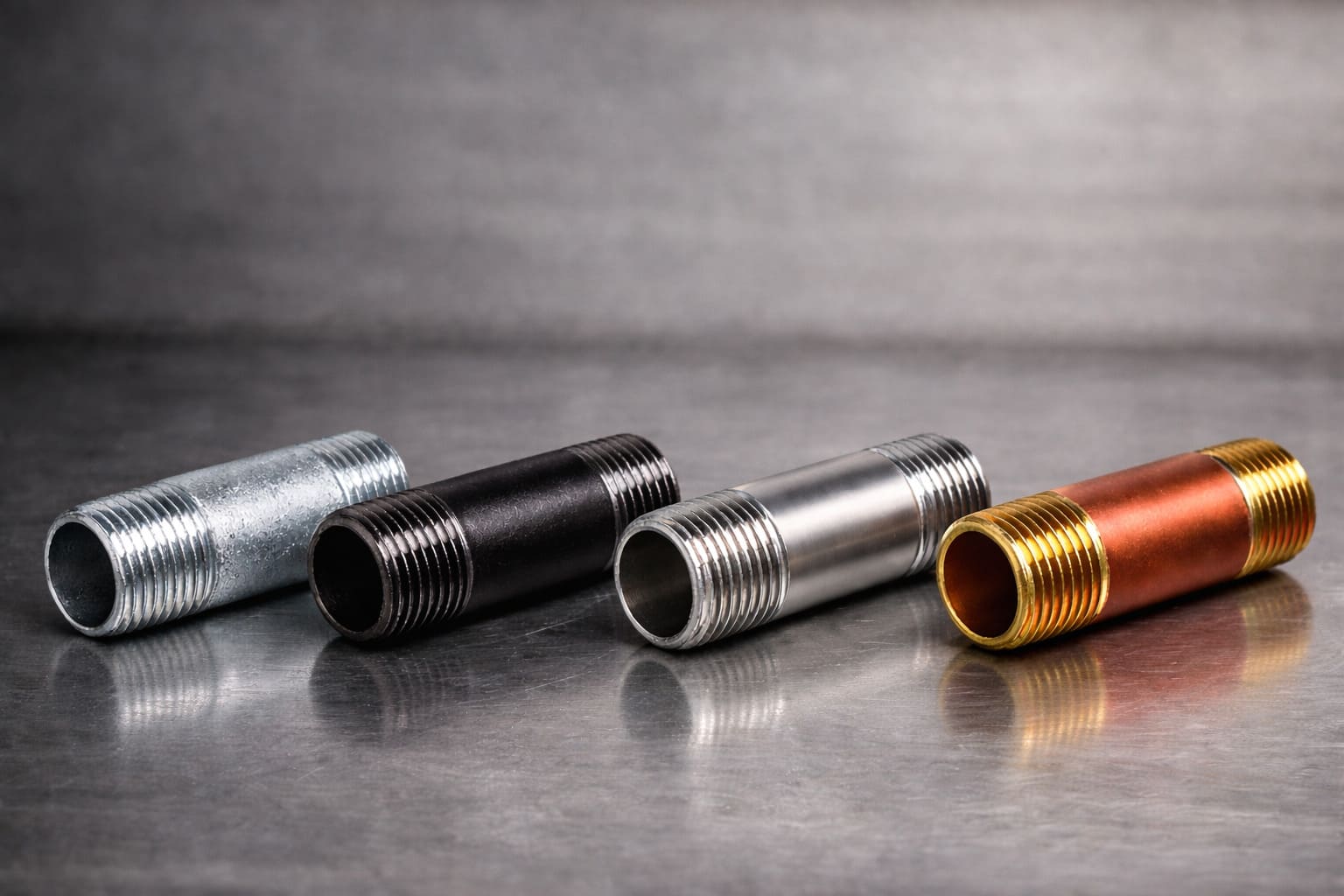
Black pipe is made of steel as is galvanized pipe. The difference is that galvanized pipe is coated with zinc, while the black pipe is not. Black pipe is best used for gas lines, not for water lines because it rusts easily, while the galvanized pipe is the safer pipe to use in water lines, but it cannot be used to convey gas. Homes need gas and water in order to run comfortably. Gas provides heat and fire to cook food and we cannot live without water. Pipes are used to carrying these essential materials into homes, buildings, and other construction projects to convey or carry gas and water to supply their needs. Two of the most widely used pipes are black pipe and galvanized pipe. 1. What are black steel pipes? Black steel pipes are made of steel that has not been coated with a substrate such as zinc or paint. Since it has a dark color surface that is formed by iron oxide during the manufacturing process, it is called black steel pipes. 2. What are black steel pipes used for? Black steel pipes have a variety of use thanks to their strength and needs for little maintenance. They tend to be used for transporting gas and water to rural areas and urban areas or for conduits that protect electrical wiring and deliver high-pressure steam and air. In addition, black steel pipes are also used in oil and petroleum industries for piping large quantities of oil through remote areas. Other uses of black steel pipes include gas distribution inside and outside homes, water wells, and sewage systems. However, black steel pipes are never used for transporting potable water due to the fact that they tend to corrode in water, and the mineral of the pipe will dissolve into the water and clog the line as well. And black steel pipes are commonly used in fire sprinkler systems thanks to their high heat resistance. 3. What are galvanized steel pipes? Galvanized steel pipes are carbon steel pipes that are coated with a protective layer of zinc. The zinc layer served as a sacrificial layer, it will get rust before the carbon steel underneath it. Galvanized steel pipes include Two types: hot-dipped galvanized steel pipe and cold galvanized steel pipe. The galvanized layer will strengthen the anti-corrosion performances of steel pipes. 4. What are galvanized steel pipes used for? Galvanized pipe covered with a layer of zinc, making it a high anti-corrosion ability to help prevent the accumulation of pipe plugging the pipeline. Moreover, even if the zinc layer is scratched or damaged, it can still protect the steel beneath it. Galvanized pipe is mainly used for water supply for residential and commercial buildings, can also be used as a scaffolding frame, because it has a rust-proof effect. The thicker your zinc coating, the longer the pipe lasts. The environment also plays a crucial role in determining the pipe’s life span. If the pipes are placed in highly corrosive conditions, they often last from 50 to 100 years. The layer of zinc covering galvanized pipes offers it a higher ability of corrosion protection, but as time goes by it can cause the mineral to flake off and block the pipe, which might lead to a burst. Transporting gas by galvanized pipes is therefore dangerous. Instead, it can be used in outdoor railings, fences, sewage plumbing, and farm irrigation and it is best used for bigger construction projects. 5. The Difference Between Galvanized And Black Pipes Galvanized pipes have a zinc coating, but black pipes do not. Black steel pipes are darker than galvanized steel pipes, black steel pipes are black, and galvanized steel pipes are silver-gray. Galvanized pipes are more expensive and more durable than black pipes because of zinc coating. Galvanized pipes are usually used for water transportation whereas black steel pipes for gas delivery. While there are now safer and stronger pipes made from materials other than steel, black pipes, and galvanized pipes are still very popular and are being used in homes and buildings. The thing to remember is to use them according to the specifications of the project and to use only one type of pipe in conveying water or gas to your homes. It is not advised to combine two types of piping material. 6. Where to buy/purchase galvanized and black pipes? SANVO is a good steel pipes and fittings manufacturer, supplier, exporter, wholesaler, factory, and company in China, supplying carbon and stainless steel pipes, carbon and stainless steel pipe fittings, carbon and stainless steel pipe flanges, and stainless steel ball valves. And the steel pipes include galvanized and black steel pipes, seamless steel pipes, and welded steel pipes. We provide the best price and high-quality pipeline products you need, if you are interested, please click here to view more information or contact us for free samples.
Galvanized Steel vs Stainless Steel
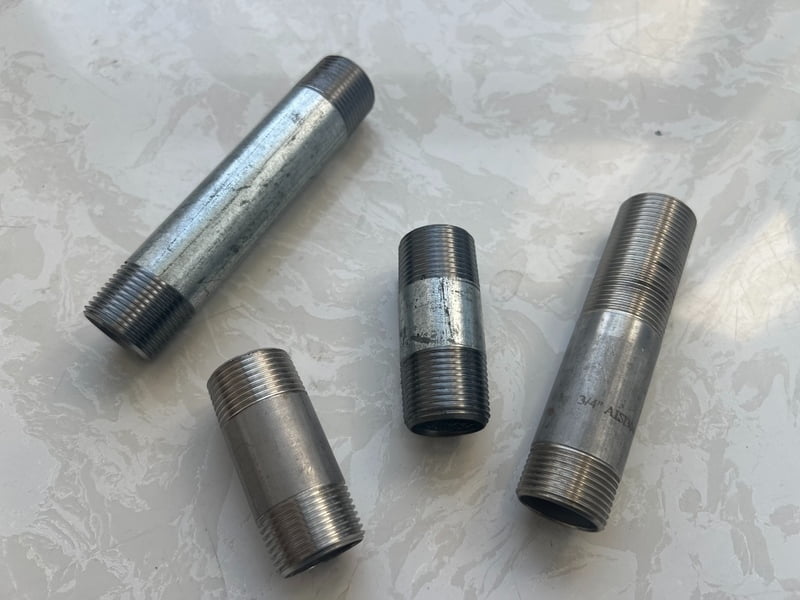
Galvanized and stainless steel are two general materials in pipe and pipe fittings manufactured, and each has different benefits and drawbacks. Galvanized steel increases corrosion resistance by applying a zinc coating on the surface of the carbon steel, making it for outdoor or wet environments. However, the properties may decline in high-temperature environments or extreme conditions. Compared with stainless steel, chromium and other alloy elements in stainless steel have better corrosion and high-temperature resistance and are more suitable for food processing and medical equipment manufacturing, which demand strict hygienic standards. Choose galvanized or stainless steel fittings according to different application requirements, cost, environmental concerns, etc. When choosing between galvanized and stainless steel materials, here are some of their main differences and applicable scenarios: 1. Material composition Our factory mainly produces pipes and fittings made from high-quality stainless and galvanized steel. Their performance varies greatly in disparate applications and environments. Please select the products that are best suited for your project and can perform at maximum performance. Galvanized pipe fittings: Galvanized material is usually carbon steel or iron with a galvanized coating to prevent corrosion. Its main components include: Iron: The base material, usually carbon steel. Zinc: A coating that protects against corrosion. Stainless Steel pipe fittings: Stainless steel is mainly composed of iron, chromium (usually at least 10.5%), and other elements (such as nickel) and has natural corrosion resistance. It is an alloy used primarily to resist oxidation and corrosion. Its main components include: Iron: the base material. Chromium: At least 10.5% to provide corrosion resistance. Nickel: It adds toughness and corrosion resistance, commonly found in types of stainless steel such as 304 and 316. Other elements, such as molybdenum, titanium, and aluminum, depend on the specific type of alloy. 2. Corrosion resistance Galvanized: Relying on the galvanized coating to form a protective film on the surface can effectively prevent pipe and fittings corrosion. It is suitable for moderately corrosive environments, but the galvanized coating may damaged in extreme environments. Stainless Steel Material: Due to chromium content, stainless steel has stronger corrosion resistance. Chromium reacts with oxygen to form a self-healing passive film, making stainless steel more durable than galvanized pipes and fittings and more suitable for high humidity or corrosive chemical environments. 3. Durability Galvanized pipe fittings: In manufacturing, protect against corrosion on the surface of carbon steel pipe coating galvanized. However, this galvanized coating may rust due to corrosion in extreme moisture or salt spray conditions. The service life of galvanized steel pipe usually extends up to 10 to 20 years, especially according to the situation and maintenance conditions. Stainless Steel pipe fittings: The high chrome content in stainless steel pipe fittings offers excellent anti-corrosion and strength properties. They can resist multiple chemical substances, oxidation, and high temperatures, making them more outstanding in severe environments. The service life of stainless steel pipes usually can exceed 25 years or longer. Stainless steel pipe fittings are more durable than galvanized steel, especially in harsh or highly corrosive environments. Please consider the environment and multiple factors when purchasing to choose the most suitable one. 4. Appearance Galvanized Steel: They usually appear silver-gray with a galvanized coating to prevent corrosion. A little bit raw in welded or cut parts. Galvanized steel may undergo oxidation in a humid environment to impact appearance. Stainless Steel: Smooth and shiny surface, usually showing silver or polish effect. Stainless steel does not easily change color and oxidation following situation changes. 5. Cost Galvanized pipe: The galvanized pipe is cheaper than stainless steel and more suitable for limited-budget projects. Although galvanized pipe is cheap, it has long-term costs due to it needing frequent maintenance or replacement in corrosive applications. Stainless Steel pipe: Stainless steel pipe is somewhat expensive due to the higher process and material cost than galvanized pipe. Stainless steel pipes do not need frequent maintenance because of their durable and high corrosion resistance properties, have more service life, and reduce the total cost. 6. Application Scenarios Galvanized pipe and fittings: Galvanized pipes and fittings are often building materials because of their strength and economics. Suitable for tubes and drainage systems, especially in conditions that do not need long-term contact with corrosion substances. They are in outdoor facilities because of anti-corrosion protection. Using galvanized fittings as auto parts can reduce cost and enhance durability. Stainless Steel pipes and fittings: Their superior anti-corrosion and ease of cleaning lead are popular in food processing, medical apparatus and instruments, chemical industry, and other applications. Stainless steel pipes and fittings are popular in home improvement because of their beautiful surface. They can used in ship applications and others due to their salt spray resistance. 7. Summary If the project has a limited budget and the environment is less corrosive, you can choose galvanized materials. If you need a longer life, low maintenance, and strong corrosion resistance solution, it is recommended to use stainless steel.
Why Did Galvanized Steel Become Popular?
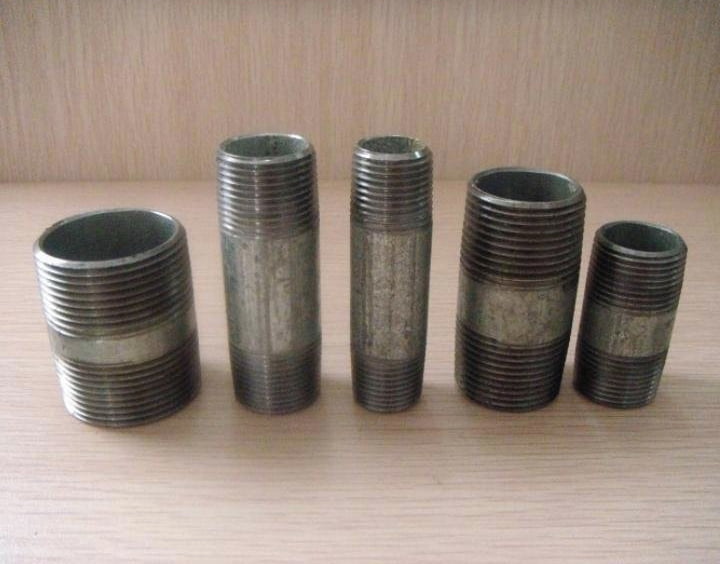
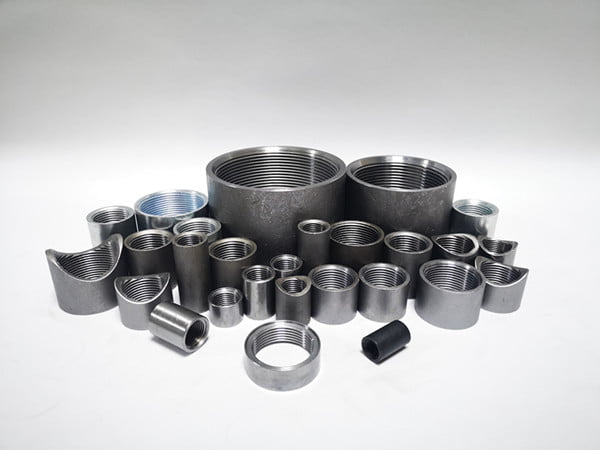
Galvanized steel has gained popularity due to its unique properties and versatile applications. The galvanization technology involves coating steel with zinc to enhance its corrosion resistance, extending its lifespan and making it suitable for various environments. This article explores the reasons behind the widespread adoption of galvanized steel across different industries and applications. 1. Corrosion Resistance One of the primary reasons galvanized steel became popular is its exceptional corrosion resistance. The zinc coating acts as a barrier, protecting the underlying steel from moisture and air that can cause rust. Even if the galvanized layer is scratched, the zinc adjacent to the bare steel will continue to corrode preferentially, thereby protecting the steel beneath. This property makes galvanized steel particularly appealing for outdoor and industrial applications, where exposure to harsh weather conditions is frequent. 2. Longevity and Durability The lifespan of galvanized steel is significantly longer than that of non-coated steel, making it a cost-effective choice. Depending on the environment, galvanized steel can last for decades without requiring significant maintenance or replacement. Durability is crucial for construction projects, automotive components, and infrastructure. 3. Versatility Galvanized steel is highly versatile and has a wide range of applications. Its great adaptability to different industries and purposes has its popularity. Commonly used In construction, transportation, household items (such as water pipes, furniture, and appliances), and agricultural settings, these materials. 4. Low Maintenance Requirements Its resistance to rust and corrosion is better, and galvanized steel requires minimal maintenance compared to other materials. It appeals to industries that want cost-effectiveness and reduce long-term maintenance expenses. Galvanized components lead to lower overall operational costs. 5. Beautiful appearance Galvanized steel is also aesthetic, often used in architectural designs and industrial looks. The unique finish of galvanized surfaces can complement various design styles, making it a preferred choice for many modern buildings and structures. 6. Sustainability Galvanized steel stands out as sustainable, the zinc is recyclable, and the steel does not lose quality, which makes galvanized steel an attractive choice for environmentally conscious projects. 7. Safety and Protection The galvanization process also provides an element of safety, particularly in construction. Galvanized steel components are less likely to fail or corrode, which can be crucial in buildings, bridges, and other infrastructures. 8. Galvanized product The galvanized products usually include coupling and nipples, and these products can connect two pipes or fittings in your plumbing system to maintain stability and safety connected for the project. We are a reliable galvanized fittings supplier in China. Please come to us to purchase fittings for your project, and we will provide the best goods and services for customers and offer customized services. 9. Conclusion The popularity of galvanized steel is due to its corrosion resistance, longevity, versatility, low maintenance requirements, aesthetic appeal, sustainability, and safety. Its unique properties and advantages ensure that it will continue to be a staple in construction and manufacturing for years.
Gas Pipeline Pipe & Fittings Sizing Guide
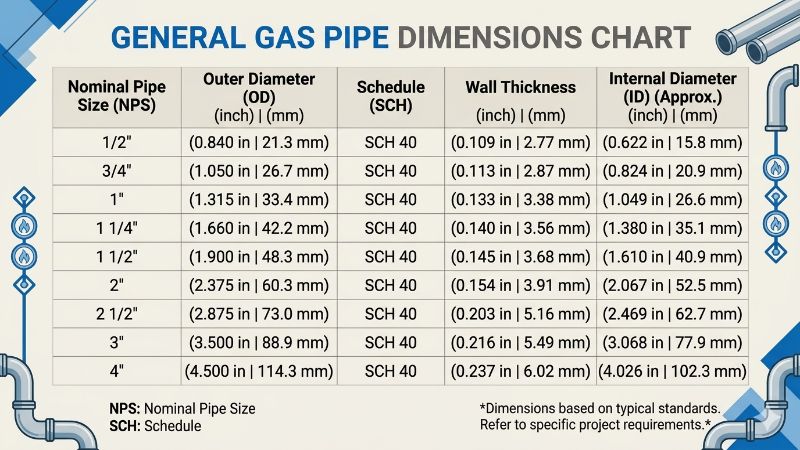
Why Proper Pipe and Fitting Sizing Matters Selecting the right pipe and fitting size is crucial for gas pipeline systems. Incorrect sizing can lead to reduced flow, pressure drops, and even safety hazards. In industrial and commercial applications, precise measurements ensure compliance with safety standards and optimize system efficiency. Key Factors in Pipe Selection When choosing pipes for gas pipelines, consider these factors: Material: Common options include galvanized steel, carbon steel, and stainless steel. Each offers different strengths, corrosion resistance, and service life. Pipe Diameter: The diameter affects gas flow rate and pressure. Oversized pipes increase cost, while undersized pipes reduce efficiency. Operating Pressure: Ensure the pipe can withstand the maximum system pressure. How to Choose Fitting Sizes Fittings, such as elbows, nipples, couplings, and unions, must match pipe dimensions precisely. Consider: Thread Type: NPT, BSPT, and BSPP threads are commonly used. Matching the thread type avoids leaks. Compatibility: Ensure fittings material matches the pipe for thermal expansion and corrosion considerations. Standard Compliance: Follow ASTM, ASME, or ISO standards for industrial gas systems. Steps for Accurate Sizing Calculate Flow Requirements: Determine the gas flow rate needed for your system. Determine Pipe Diameter: Use flow charts or engineering software to select the optimal diameter. Select Compatible Fittings: Ensure all elbows, couplings, and nipples match the chosen pipe size. Verify Pressure Ratings: Check that pipes and fittings can handle the system’s maximum operating pressure. Benefits of Correct Sizing Safety: Reduces the risk of leaks and accidents. Efficiency: Optimizes gas flow and minimizes pressure loss. Cost Savings: Avoids overspending on oversized pipes and unnecessary fittings. Compliance: Meets industry standards, ensuring smooth inspections and certifications.
Guide to Fire Sprinkler Systems for Procurement
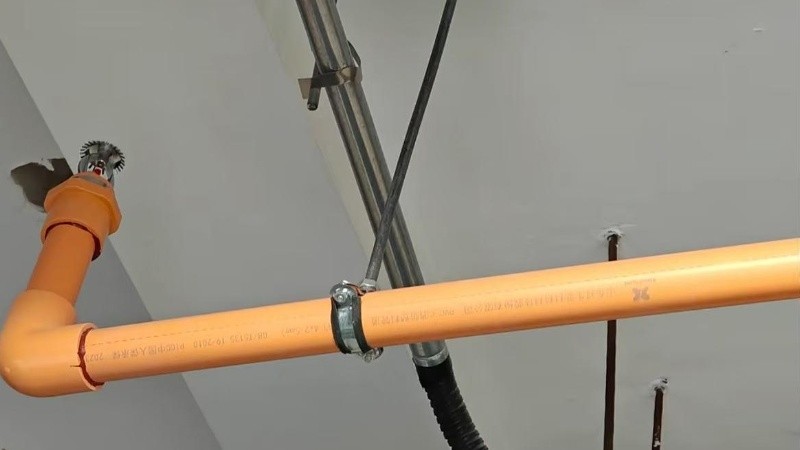
Fire Sprinkler Pipe Material Dear customer, Carbon steel and CPVC pipes are the two most commonly used materials in sprinkler systems. Each material is suited for different project types, installation conditions, and budget levels. Below is a clear and practical guide to their benefits, budgets, and applications to help you buy the most suitable one for your project. Carbon Steel Pipe Carbon steel pipe is the most widely used fire protection piping globally, in virtually all commercial and industrial fire sprinkler systems. Benefits of Choosing Carbon Steel Pipe High strength, withstands 175–350 psi Suitable for high flow rates and pressures Comprehensive certification systems (UL/FM, etc.) Lower cost Carbon steel pipe is the default standard configuration for fire protection systems in medium to large commercial and industrial buildings. CPVC Pipe CPVC is an engineered plastic pipe specifically designed for fire sprinkler systems (must be UL/FM certified). Advantages of CPVC Lightweight (only 1/6 the weight of steel pipe) Fast installation by solvent cement joints without welding or threading Corrosion-resistant, scale-free Smooth inner walls minimize head loss Low total cost (material + labor) CPVC Limitations Not heat-resistant (unsuitable for boiler rooms, rooftop sun exposure) Not suitable for industrial settings Cannot handle high pressure Cannot replace main trunk lines (only for branch lines) CPVC piping is ideal for residential and light commercial systems, emphasizing low cost and rapid installation. Carbon Steel vs. CPVC Factor Carbon Steel CPVC Best for Commercial & industrial Residential & light commercial Pressure High (175–350 psi) Moderate (≤175 psi) System Types Wet, dry, pre-action, deluge Wet only Durability High strength; may need coating Excellent corrosion resistance Installation Threading / Grooved / Welding Solvent cement Surface Treatment and Applications of Fire Sprinkler Pipe 1. CPVC Fire Protection Piping CPVC must utilize fire-rated materials compliant with UL/FM certification systems. CPVC pipe is classified as a plastic material, not a metal. Surface Treatment CPVC piping requires minimal external surface treatment. Reason: CPVC inherently resists corrosion and scaling, eliminating the need for metallic anti-corrosion processes. Applicable Systems Suitable for wet systems. Not suitable for dry systems (prone to brittleness due to temperature fluctuations). 2. Carbon Steel Fire Piping Common Material Standards ASTM A53 ASTM A795 ASTM A135 Carbon steel fire sprinkler piping for UL/FM certification Surface Treatment Methods Carbon steel pipes have multiple choices for surface treatments for long-term corrosion protection in fire systems: Black Pipe Natural steel surface with light rust-preventive oil coating Suitable for: Wet systems + indoor environments Red Painted / Red Epoxy Coated Pipe Surface coated with red fire-rated paint or epoxy powder coating Paint thickness (typical range): 40–80 μm (microns) common High-end epoxy powder up to 120–250 μm Applications: Indoor, wet systems Ordinary corrosion environments Galvanized Pipe Used in locations with high corrosion resistance requirements, such as: Dry systems Damp areas (e.g., basements, semi-outdoor) Highly corrosive regions (coastal areas) Galvanized thickness (per ASTM A123 / ASTM A153): Common: 45–80 μm (550–1100 g/m²) Some fire protection projects require ≥85 μm Grooved / Threaded Pipes Post-processing involves rust-proof paint application Commonly used in rapid installation systems Compatible with grooved fittings, valves, sprinklers FAQ Q: What is your monthly production capacity? A: Our factory possesses large-scale production capacity, achieving a monthly output of 3,000–5,000 tons (including black pipes, galvanized pipes, and CPVC pipes). Production lines can be flexibly adjusted according to the order composition. Q: What is the lead time for bulk production? A: Standard specifications: 15–25 days Custom specifications (special thicknesses, spray colors, etc.): 20–30 days Q: What specifications are available in stock? A: Our standard inventory includes: 1/8″ – 4″ (DN15–DN100) black & galvanized pipes, CPVC pipes Schedule 10 / Schedule 40 Standard length: 6m – 72m Q: Do you offer OEM painting, marking, and packaging? A: Yes, we provide comprehensive OEM customization services: Painting (red, black, gray, customer-specified colors) Marking (brand name, specifications, standards, UL/FM information, etc.) Packaging (stretch wrap, steel strapping, pallets, labels, etc.)
Hex Nipples or Close Nipples and how to choose Pipe Fitting
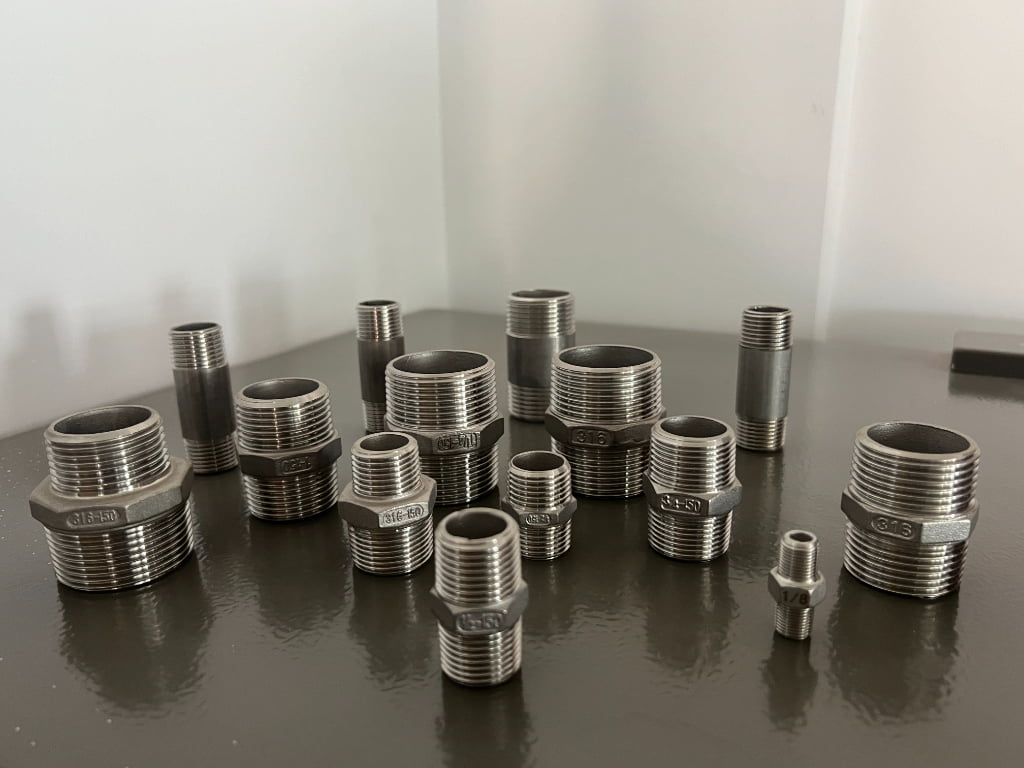
First, I will introduce our factory before we start the formal content. SANVO is a pipe and pipe fitting manufacturer in China, and we have more than 10 years of production experience with pipes and a series of pipe fittings. Regardless of any related product you need, we provide customized and best service before and after-sales. We offer what you need in lengths and diameters, which can bring greater convenience. 1. Hex nipple Except for the external threads at both ends, the central part is hexagonal, which provides an additional gripping surface. Thanks to the hexagonal design, the user can use a wrench to tighten, thus applying more torque, which is crucial for tight connections. Suitable for use in high-pressure environments or where additional sealing is required. They are widely disassembly and installation processes, such as mechanical equipment, pumps, valves, and other connections. It is also suitable for applications that require strong connections in piping systems. The hexagonal structure improves the reliability of the connection, especially in the environment of vibration or pressure fluctuations. Provides better fastening options to help reduce the risk of leakage. 2. Close nipple The close nipple is a short tube with external threads of equal size at both ends. The length is generally short in length, usually within a few centimeters, which is easy to use in situations where space is limited. Screw it directly into two pipes or fittings with internal threads. Because the design is simple, no additional tools are required, and manually tighten or secure with a wrench directly. They are commonly used in domestic or industrial piping systems to connect two pipes of the same diameter. It is suitable for gas and liquid delivery systems, such as water, air conditioning pipes, etc. Close nipples provide a reliable connection, ideal for systems that do not require frequent disassembly. They are simple structures and relatively low cost. 3. Summary Whether you choose Close Nipple or Hex Nipple depends on your specific application needs: A close nipple is a suitable choice if your connection location is tight and does not require frequent disassembly. Hex Nipple is more suitable if your application requires higher connection strength and may require regular maintenance or replacement of parts. In the selection, the material of the pipeline, working pressure, fluid type, and other factors should also ensure the suitability and safety of the selected parts.