
Installation Process of Plumbing Pipes And Fittings
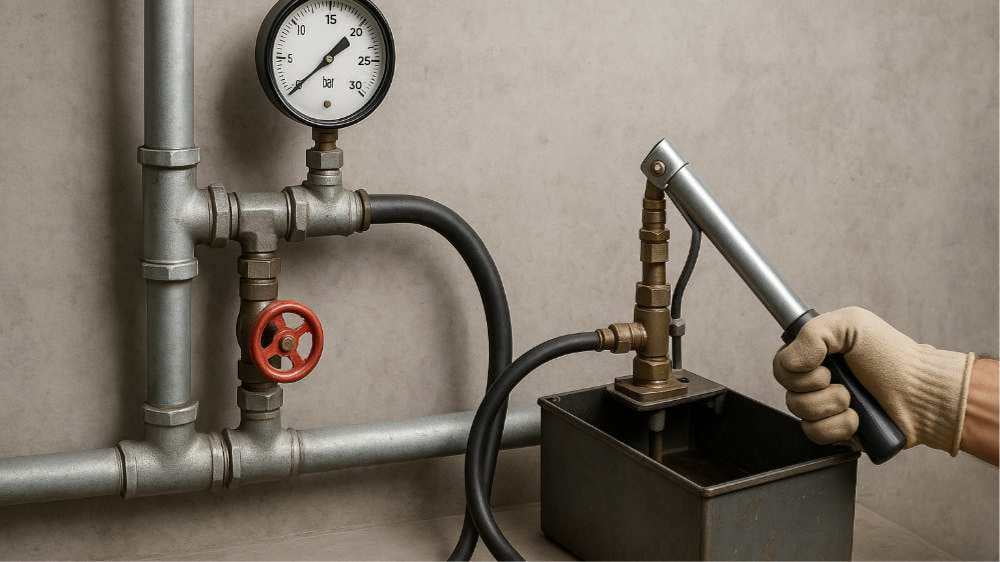
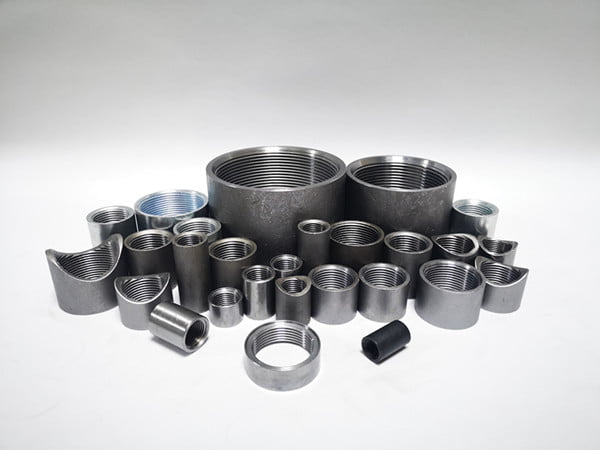
During the installation of plumbing pipes and fittings, a hydraulic pressure test can be carried out in layers or singly. As a leading pipe fitting manufacturer from China specializing in high-quality pipe and pipe fittings for global export, we understand the critical importance of the precise and reliable installation of plumbing systems. This guide outlines the essential steps and precautions for the proper installation of pipes and fitting of pipe components, ensuring optimal performance and longevity. 1. Precautions For Installing Plumbing Pipes And Fittings The working pressure and test pressure of all pipelines are respectively: the working pressure in the low zone is 0.4MPa, the test pressure is 0.6MPa, working pressure in the high zone and middle zone The pressure is calculated at 0.6MPa, and the test pressure is 0.9MPa. After the pipeline system is installed, check it comprehensively, check the installed pipes, valves, gaskets, fasteners, etc., all in line with the design and technical specifications. The fittings for pressure tests together with the pipeline are removed, replaced with temporary short pipes, all the teeth are blocked, and water is injected from the lowest place and deflated from the high place. Blow and wash the pipes that pass the pressure test until the dirt is washed away, and do a good job of all purge cleaning records and test pressure records. The test pressure of the plumbing pipe is 1.5 times the system working pressure, but it should not be greater than the allowable pressure of the pipe. The test should be filled with water slowly, and the seal should be checked after filling. The pressurization should be slowly raised to the test pressure by a hand pump. Stabilized for 1h, the pressure drop is less than 0.05MPa, and then reduced to 1.15 times the working pressure. Stabilized for 2 hours, conduct a visual inspection, and the pressure drop of no leakage does not exceed 0.03MPa, it is qualified. 2. Choosing the Right Pipe Materials and Fittings Selecting types of pipes and fittings is foundational to any durable piping and plumbing system. Different applications demand specific pipe types, each with unique characteristics and connection methods. Galvanized Carbon Steel Pipes: These pipes are made of carbon steel and coated with hot-dip galvanized zinc, enhancing their corrosion resistance. This makes them suitable for water supply lines, fire sprinkler systems, and industrial applications. They are known for their strength and durability. Pipe components connect via threaded fittings, with flanged or grooved connections common for larger diameters. Ensure proper sealing during pipe installation to avoid leaks. Black Carbon Steel Pipes: Uncoated carbon steel pipes, often referred to as “black iron pipe,” are primarily used for gas lines, fire sprinkler systems, and industrial applications where corrosion is less of a concern or where the medium itself provides some corrosion protection. They offer high strength and are cost-effective. Connections are typically made using threaded plumbing and pipe fitting components or by welding, ensuring robust and secure joints for pipe installation. PVC (Polyvinyl Chloride) Pipes: Commonly used for drainage, waste, and vent (DWV) systems due to their chemical resistance and cost-effectiveness, connected using solvent cement. Stainless Steel Pipes: Offer superior corrosion resistance and strength, suitable for demanding industrial applications as well as high-end residential projects. Often connected by press-fit, threaded, or welded methods, contributing to a robust pipe fitting and plumbing solution. When selecting pipe and pipe fittings, consider factors such as water quality, temperature, pressure, chemical exposure, and local building codes. Our range of pipe fittings and plumbing products is designed to meet diverse international standards and application requirements, supporting the reliable installation of plumbing and the robust installation of pipes. 3. Pipe Fitting Standard As a pipe fitting manufacturer, our pipe fittings and plumbing products are designed and produced to meet stringent international quality standards (e.g., ISO, ASTM, EN). We are committed to providing reliable solutions for your plumbing installation needs, supporting your projects with high-quality pipe and pipe fittings for export and wholesale. Trust our expertise for your next piping and plumbing fitting endeavor.
Introduction Of Elbow Stainless Steel 304
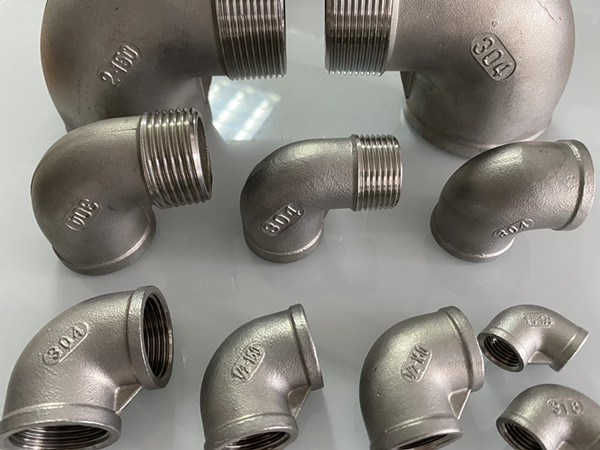
In the pipeline system, elbow stainless steel 304 is a pipe fitting that changes the direction of the pipeline and the chemical composition contained in stainless steel elbow will keep the surface of the elbow from rusting and corrosion for a long time. According to the angle, there are three most commonly used ones: 45° and 90°180°. In addition, according to engineering needs, it also includes other abnormal angle elbows such as 60°. Brief Introduction Of Stainless Steel: Stainless steel is usually made of carbon steel with a high proportion of Cr, Ni, and other alloys, and the content ratio can reach more than 20%. Common steel grades are: 304, 304L, 321, 316, 316L, 1Cr18Ni9Ti, 0cr18ni9. The first number of steel numbers represented by numbers are Japan and the United States, and the last one (1Cr18Ni9Ti) is the domestic steel number. Stainless steel characteristics: strength and toughness indicators are the best among various steels. Its most prominent advantage is corrosion resistance. Stainless steel must be used in highly corrosive occasions such as chemical papermaking. Of course, the cost is also higher! Brief Introduction Of Elbow: The materials of the elbow include cast iron, stainless steel, alloy steel, forgeable cast iron, carbon steel, non-ferrous metals, and plastics. The ways to connect to the pipe are direct welding (the most common way) flange connection, hot melt connection, electrofusion connection, threaded connection, and socket connection, etc. According to the production process, it can be divided into welding elbow, stamping elbow, hot pressing elbow, push elbow, casting elbow, forging elbow, clip elbow, etc. Other names: 90° elbow, right angle bend, love bend, white steel elbow, etc. Brief Introduction Of Stainless Steel Elbow: 1. According to the manufacturing standard, it can be divided into national standard, ship standard, electric standard, water standard, American standard, German standard, Japanese standard, Russian standard, etc.2. According to the production method, it can be divided into pushing, pressing, forging, casting, etc. Brief Introduction Of Elbow Stainless Steel 304: 304 stainless steel elbow is a pipe fitting that connects two pipes with the same or different nominal diameters in the pipeline system to make the pipeline bend at a certain angle. According to the angle, the most commonly used are 45°, 90°, and 180°. In addition, according to engineering needs, it also includes other abnormal angle elbows such as 60°. The connection with the pipe includes direct welding (the most commonly used method), flange connection, threaded connection, and socket connection. 1) Classification: 1. According to the production process, it can be divided into welding elbow, stamping elbow, casting elbow, etc.;2. Divided by material: carbon steel, cast steel, alloy steel, stainless steel (304, 316, 310, 321, 301), copper, aluminum alloy, etc.;3. According to the production method, it can be divided into pushing, pressing, forging, casting, etc.;4. Manufacturing standards include national standard, electric standard, water standard, American standard, German standard, Japanese standard, etc.;5. According to the radius of curvature: it can be divided into long radius elbow and short radius elbow. Long radius elbow refers to the outside diameter of the tube whose radius of curvature is equal to 1.5 times, that is, R=1.5D. A short radius elbow means that its radius of curvature is equal to the outer diameter of the pipe, that is, R=1.0D. (D is the diameter of the elbow, R is the radius of curvature)6. Divided by pressure level: there are about seventeen types, which are the same as American pipe standards, including Sch5s, Sch10s, Sch10, Sch20, Sch30, Sch40s, STD, Sch40, Sch60, Sch80s, XS; Sch80, SCH100, Sch120, Sch140, Sch160, XXS; the most commonly used are STD and XS;7. 304 stainless steel elbows can also be divided into equal diameter elbows and non-equal diameter elbows. Equal diameter elbows are used to connect pipes with the same outer diameter, and non-equal diameter elbows are used to connect pipes with different outer diameters. 2) Technical Requirements: 1. Since most of the pipe fittings are used for welding, in order to improve the welding quality, the ends are beveled, with a certain angle and a certain side. This requirement is also strict, how thick the side, how much angle and deviation The scope is stipulated. The surface quality and mechanical properties are basically the same as the pipe. For the convenience of welding, the steel grade of the pipe fitting and the connected pipe is the same;2. It is the requirements for packaging. For small pipe fittings, such as export, wooden boxes are required, about 1 cubic meter, and the number of elbows in this box cannot exceed one ton. The standard allows sets, that is, large sets and small sets. However, the total weight generally cannot exceed 1 ton. For large items, single packaging is required, such as 24″ must be individually packaged. The other is the packaging mark, which must indicate the size, steel number, batch number, manufacturer’s trademark, etc. 3) Use Range: Because the elbow has good comprehensive performance, it is widely used in basic projects such as chemical industry, construction, water supply, drainage, petroleum, light and heavy industry, refrigeration, sanitation, plumbing, fire fighting, electric power, aerospace, shipbuilding, and so on. 4) Precautions: 1. When installing, the stainless steel elbow can be directly installed on the pipeline according to the connection method, and the installation is carried out according to the used position. Under normal circumstances, it can be installed at any position of the pipeline, but it needs to be sealed to prevent leakage and affect the normal operation of the pipeline;2. When using stainless steel elbow ball valves, globe valves, and gate valves, they are only fully open or fully closed. They are not allowed to be used for flow adjustment to avoid sealing;3. The stainless steel elbows stored for a long time should be inspected regularly. The exposed processing surface must be kept clean, cleaned of dirt, and stored neatly in a ventilated and dry place indoors. Stacking or open storage is strictly prohibited. Always keep the stainless steel elbow dry and ventilated, keep the device clean and tidy, and store it
What is Better, CPVC or PVC?
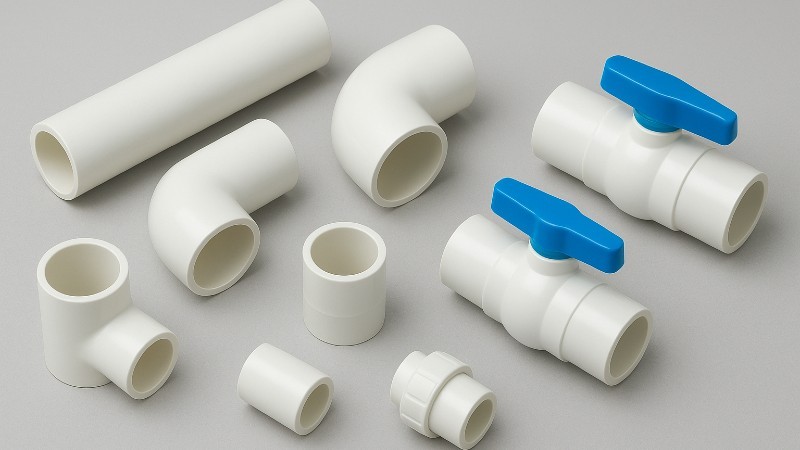
What is PVC? PVC is a type of plastic made from polyvinyl chloride. It is lightweight, durable, and resistant to corrosion. People often use PVC material in the plumbing fittings field. PVC pipes and fittings are one of the most widely used piping materials in the world. Key features of PVC pipes: Cost-effective and economical Excellent resistance to chemicals and corrosion Lightweight and easy to install Suitable for cold water supply, drainage, and irrigation systems PVC pipe fittings, including pipe nipples, couplings, bushings, elbows, and sockets, are commonly used in plumbing, agriculture, and construction. What is CPVC? Chlorinated Polyvinyl Chloride (CPVC) is a modified form of PVC that has been enhanced with additional chlorine, improving its resistance to heat and chemicals. Key features of CPVC pipes: Higher temperature resistance (up to 90°C and above) Stronger chemical resistance for industrial use Longer service life under high-pressure conditions Suitable for hot and cold water supply, industrial chemical pipelines CPVC pipe fittings, CPVC couplings, tees, valves, and adapters are widely used in chemical processing, hot water plumbing, and industrial fluid transport. PVC and CPVC Pipe Connection Methods PVC/CPVC plumbing fittings typically use two connection methods: cement and threaded connections. PVC/CPVC special cement is applied to the inside of the pipe ends. Allow it to dry before proceeding. A part of PVC/CPVC fittings that have a thread that can be connected with other threaded fittings and are suitable for areas where needs are removed frequently. PVC vs. CPVC: What’s the Difference? Feature PVC CPVC Temperature Range Up to 60°C (140°F) Up to 90°C (194°F) or higher Chemical Resistance Good for most mild chemicals Excellent for aggressive chemicals Cost More economical Slightly higher price Applications Plumbing, drainage, irrigation Hot water, industrial fluid transfer In short: PVC is best for low-cost, cold-water, and general piping projects. CPVC is better for high-temperature, industrial, or chemical systems. Which One Should You Choose: CPVC or PVC? The choice between CPVC and PVC depends on your project needs: For agricultural irrigation, construction drainage systems, and general plumbing, PVC is the most cost-effective option. For industrial chemical transport, hot water systems, and high-pressure environments, CPVC is the better solution. As a wholesale manufacturer in China, we recommend that buyers analyze both the temperature requirements and chemical compatibility before making bulk purchase decisions. Why choose us as your supplier? At our company, we are a professional Chinese manufacturer and exporter of pipes and pipe fittings. We specialize in bulk supply. We supply a product range: PVC pipes and fittings CPVC pipes and fittings Carbon steel and Galvanized couplings, nipples Stainless steel pipe nipples, socket, bushings, and valves, etc. Our advantages: Bulk order with lower prices ISO-certified, quality control Wide range of materials and custom sizes Strong production capacity Export experience to Europe, North America, Southeast Asia, and the Middle East Conclusion When comparing CPVC vs. PVC, the answer depends on the application: PVC is better for strict cost control projects like plumbing, irrigation, and drainage systems CPVC is better suited for conditions where heat, pressure, or chemicals have better temperature resistance and strength compared to PVC materials. As a China-based wholesale manufacturer of pipes and pipe fittings, we are committed to providing global buyers with the perfect goods for their projects. Whether you need PVC pipes, CPVC fittings, or customized wholesale pipe components, we can supply high-quality products at competitive prices. Contact us today to discuss your wholesale requirements and request a free quotation.
Long Screw Pipe Nipple: Complete Guide for Industrial Piping Projects
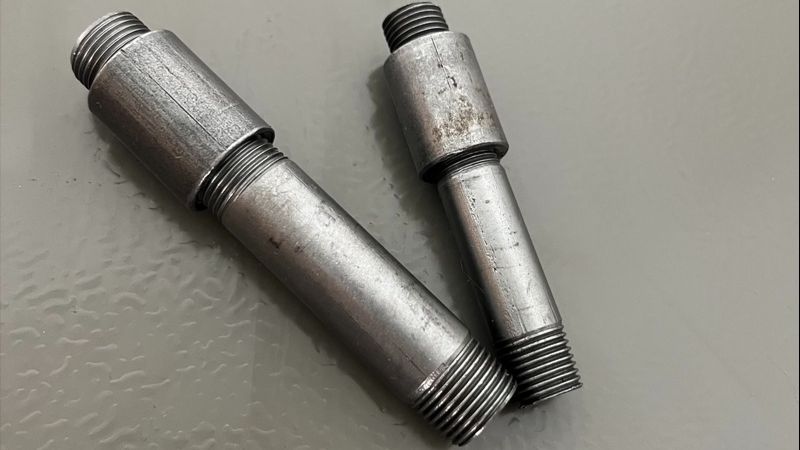
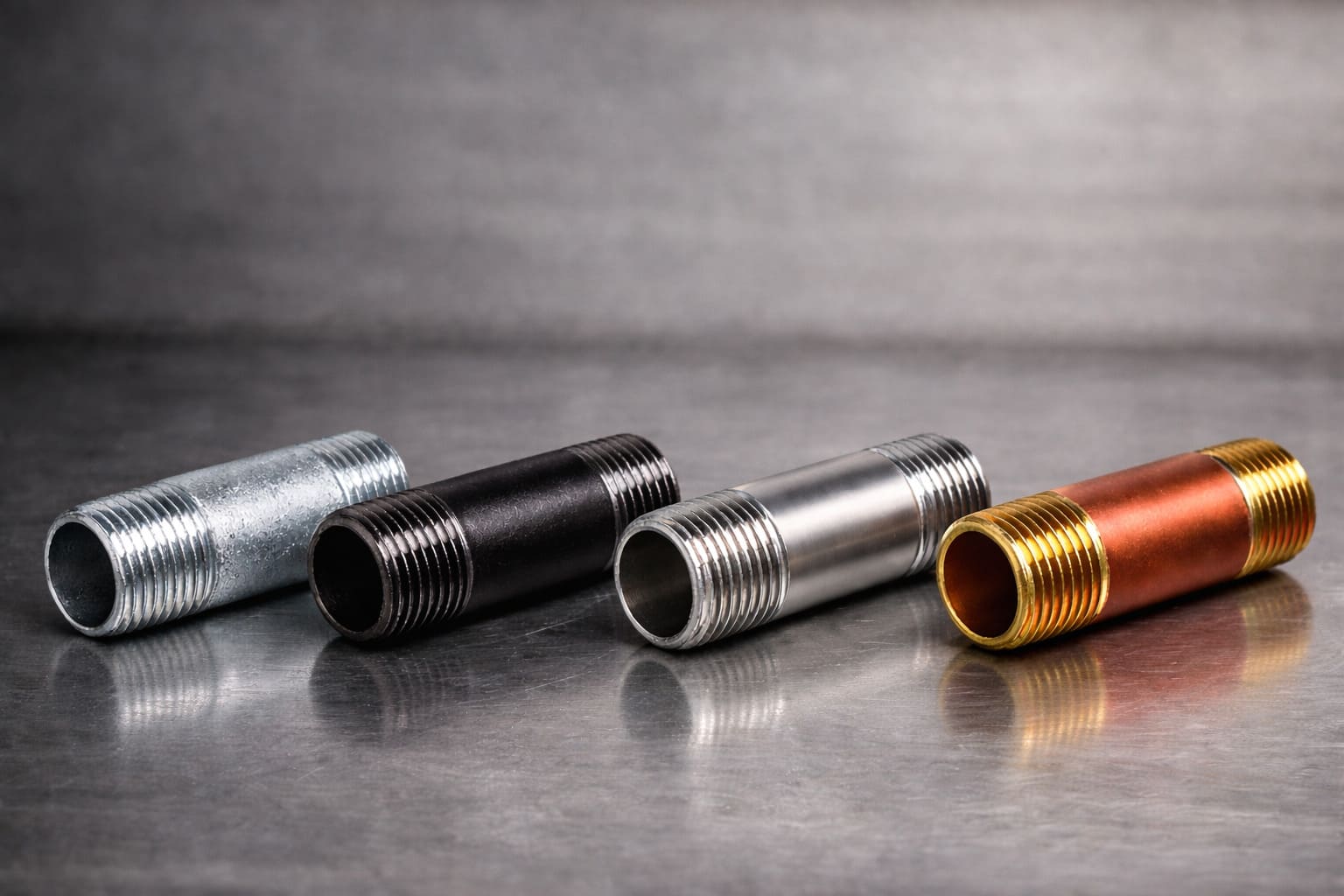
Buyers often need certain threaded accuracy and installation flexibility. That is where the long screw pipe nipple becomes essential. A long screw pipe nipple is widely used where extra thread length is required for assembly or change. As a manufacturer, we produce standard pipe nipples and long screw pipe nipples. In this guide, you will learn: What a long screw pipe nipple is Standard sizes and specifications Materials and surface finishes Common industrial applications BSP vs NPT thread standards How to choose the right supplier Frequently asked buyer questions What Is a Long Screw Pipe Nipple? It is a threaded pipe fitting with an extended threaded section compared to a regular one. Long screw nipples feature long threading on one side or across the full length of the pipe. This design allows easier change and better compatibility with other threaded fittings. Long screw pipe nipples are commonly manufactured according to: ASTM A53 ASTM A106 BS 1387 DIN 2440 EN standards They are available in multiple finishes, including: Black steel Hot-dipped galvanized Electro galvanized Stainless steel Difference Between Long Screw Pipe Nipple and Standard Pipe Nipple Item Standard Pipe Nipple Long Screw Pipe Nipple Thread Length Short Extended Installation Flexibility Limited Higher Common Usage General connections Adjustable connections Typical Application Plumbing Fire protection & industrial systems Assembly Adjustment Minimal Easier The biggest advantage of a long screw pipe nipple is its adjustable threaded engagement. This makes it ideal for projects where alignment tolerance is important. Common Materials of Long Screw Pipe Nipples 1. Carbon Steel Long Screw Pipe Nipple Carbon steel long screw nipples are the most widely used type. They provide: High strength Good pressure resistance Competitive pricing Wide industrial compatibility These products are commonly used in: Gas lines Water piping Fire sprinkler systems Mechanical construction 2. Galvanized Long Screw Pipe Nipple Galvanized long screw nipples are coated with zinc for corrosion resistance. There are two common galvanizing methods: Hot Dipped Galvanized Thicker zinc coating Better corrosion protection Suitable for outdoor and humid environments Electro Galvanized Smoother surface finish Lower cost Suitable for indoor applications Galvanized long screw nipples are commonly used in: Plumbing systems Water transportation Construction projects Agricultural irrigation 3. Stainless Steel Long Screw Pipe Nipple Stainless steel versions offer superior corrosion resistance and longer service life. Common grades include: SS304 SS316 SS316L These are suitable for: Chemical industries Marine environments Food processing High humidity applications Long Screw Pipe Nipple Sizes Long screw pipe nipples are available in multiple sizes and schedules. Common Diameter Range 1/8 inch 1/4 inch 1/2 inch 3/4 inch 1 inch 2 inch 4 inch Up to 12 inches Common Pipe Schedules SCH 40 SCH 80 Extra Heavy STD XS Custom dimensions are also available based on project requirements. Thread Standards of Long Screw Pipe Nipples Selecting the correct thread type is critical for sealing performance and compatibility. NPT Thread NPT (National Pipe Thread) is commonly used in: United States Canada North American markets Features: Tapered thread Strong sealing performance Widely used in industrial systems BSP Thread BSP (British Standard Pipe) is common in: Europe Middle East Asia Africa Types include: BSPT BSPP Different countries and projects may require different thread standards. We support customized threading based on customer drawings and standards. Applications of Long Screw Pipe Nipples Fire Protection Systems Plumbing Systems Gas Pipeline Systems Mechanical and Industrial Projects Surface Treatment Options Black Finish Black steel surface treatment is economical and suitable for oil, gas, and indoor industrial systems. Some buyers also require: Black painting Sand blasting Anti-rust oil coating Hot Dipped Galvanized Finish Hot dipped galvanized long screw nipples offer excellent an
Male Threads: Types and Uses in Plumbing
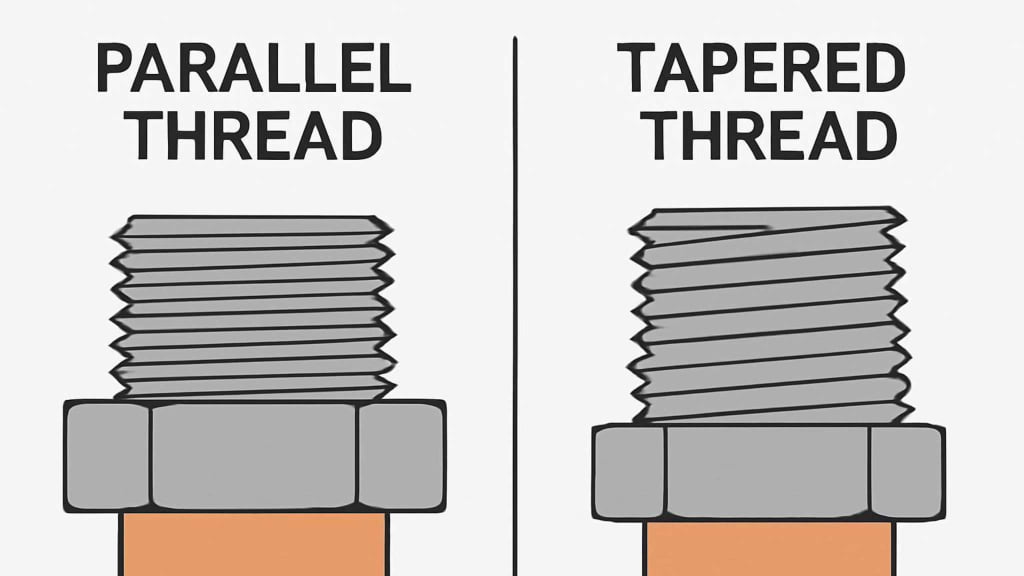
What Is a Male Thread? A male thread is an externally threaded component designed to screw into a corresponding female thread (internal thread). Male threads are commonly used in industrial plumbing, gas, oil, and water systems to create NPT, BSP, and metric threads for high-pressure and corrosion-resistant male threaded applications. Key Features: Connect other female thread pipes or fittings through their male threads The wide variety includes pipe nipples (short pipes with male threads on both ends), hex nipples, plugs, street elbows, male adapters, and more. Materials: stainless steel or carbon steel Critical Industries Oil and gas Chemical processing HVAC systems Parallel Thread vs. Tapered Thread Parallel Threads (e.g., BSPP) Design: Consistent diameter across the thread. Applications: Low-pressure systems requiring gaskets or seals. Pros: Easy assembly, reusable. Tapered Threads (e.g., NPT, BSPT) Design: Diameter decreases toward the end. Applications: High-pressure systems (self-sealing via thread deformation). Pros: Leak-resistant without additional sealants. Feature Parallel Thread Tapered Thread Pressure Rating Moderate High Sealing Method Gasket/O-ring Thread deformation Common Uses Hydraulic couplings Gas pipelines How to Select the Right Male Plumbing Fittings Pressure Requirements: Tapered threads for systems exceeding 1,000 PSI. Material Compatibility: Stainless steel for corrosive environments. Thread Standards: Match regional norms (e.g., NPT in North America).
Material and Thread Standards for Pipe Fittings Explained
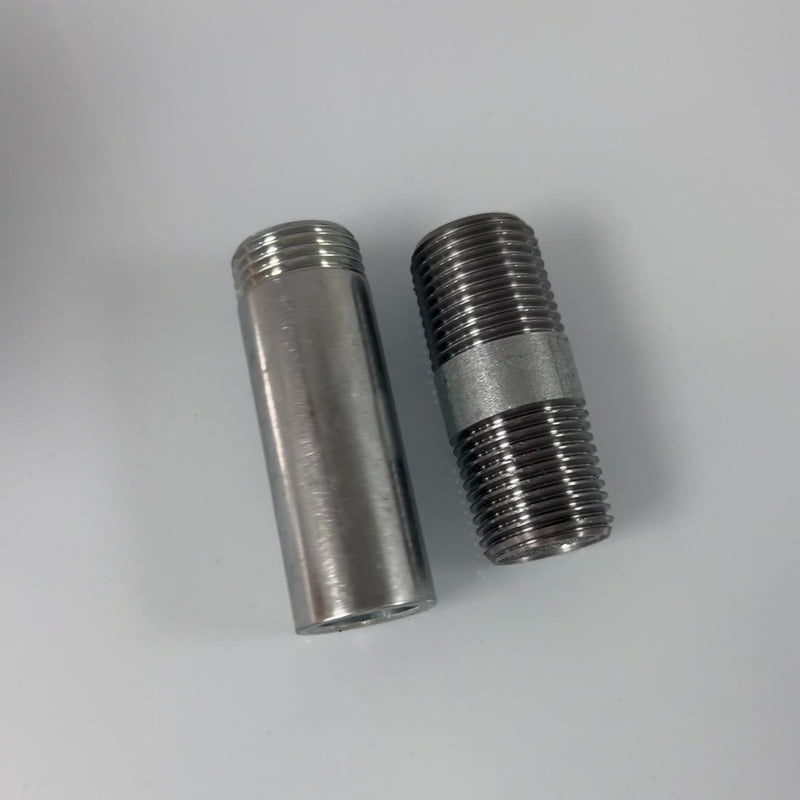
When sourcing pipe fittings in international trade, buyers often focus on two critical aspects: material standards and thread standards. Different regions have their own commonly used standards for stainless steel fittings and carbon steel fittings, which ensure compatibility, safety, and durability in industrial piping systems. This guide explains the popular pipe fitting standards in different countries and regions, including America (ASTM/ANSI/ASME), Europe (EN/DIN), Germany (DIN), the United Kingdom (BS), Japan (JIS), and International ISO standards. 1. Pipe Fitting Material Standards America (ASTM / ANSI / ASME Standards) The ASME/ANSI standards are widely used in the United States. They are suitable for high-pressure and high-temperature applications such as oil & gas, chemical plants, and power stations. Stainless Steel Fittings ASTM A182 ASTM A312 Carbon Steel Fittings ASTM A53 for welded and seamless carbon steel pipes, commonly used for low and medium-pressure. ASTM A106 for seamless carbon steel pipe for high-temperature service Europe (EN / DIN Standards) In Europe, both EN and DIN standards are applied to stainless steel and carbon steel fittings. Stainless Steel Fittings DIN 2950, DIN 2999 Carbon Steel Fittings DIN 2441 for heavy-duty steel pipes (carbon steel) DIN 2986 EN 10241 fittings are widely used in Europe, replacing older DIN standards. Germany (DIN Standards) DIN standards are the most common in Germany and Central Europe. They are often used for pipe nipples, pipe couplings, elbows, and other threaded fittings. Stainless Steel Fittings DIN 2982, DIN 2986 DIN 2441, DIN 2440 Carbon Steel Fittings DIN 2441, DIN 2986, EN 10241 British (BS Standards) BS standards are common in the UK, similar to the EN system. Carbon Steel Fittings BS 1387– Welded carbon steel pipes (for fittings and construction use) EN 10241– Steel threaded fittings Japan (JIS Standards) JIS standards are widely used in Japan and many Asian markets. JIS B2311, B2312, B2313 for stainless steel and carbon steel fittings. International (ISO Standards) The ISO standards are recognized worldwide, ensuring global compatibility. ISO 7-1 2. Pipe Fitting Thread Standards Thread type plays a vital role in ensuring tight connections in threaded fittings, such as nipples, couplings, unions, elbows, and tees. NPT (National Pipe Thread, USA) Widely used in the United States, especially in North America 60° thread angle Tapered thread provides a strong seal under pressure BSP (British Standard Pipe, Europe/Asia/Middle East) Two main types: BSPP (parallel) and BSPT (tapered) – 55° angle Common in the UK, India, Southeast Asia, and the Middle East ISO 7-1 (International / Europe) Equivalent to BSPT, widely accepted in Europe and international markets Conclusion When selecting pipe fittings for international projects, understanding both material standards (ASTM, EN, DIN, JIS, BS, ISO) and thread standards (NPT, BSP, ISO) is essential. For American markets → ASTM/ANSI (NPT thread) For European markets → EN/DIN (BSP or ISO thread) For Asian markets (Japan, China, Southeast Asia) → JIS, ISO, BSP threads For Middle East & India → BSPP/BSPT threads dominate Choosing the correct pipe fitting standard ensures compatibility, safety, and smooth installation in global industrial piping systems.