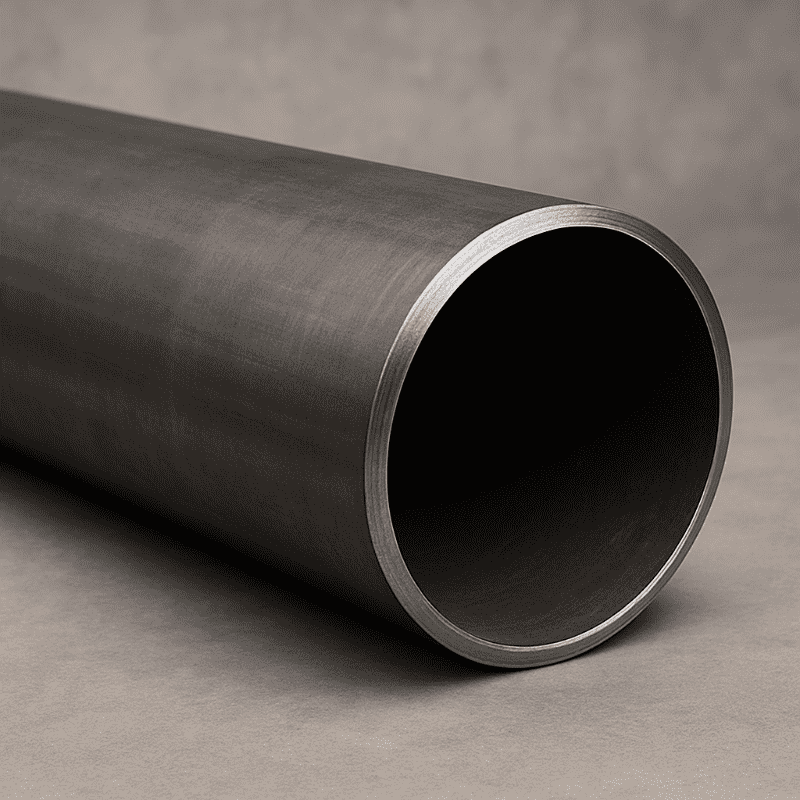
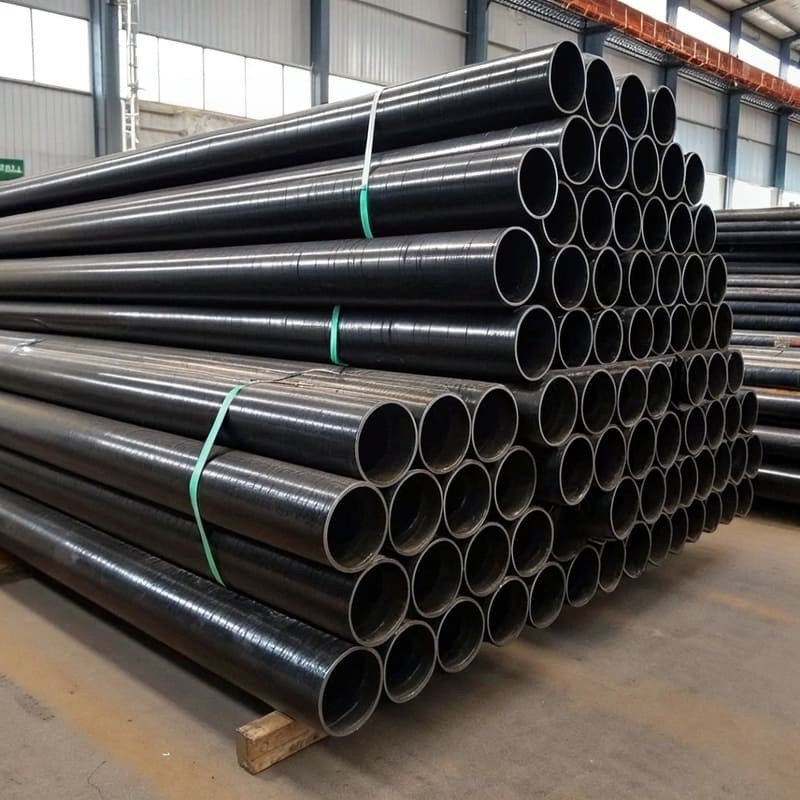
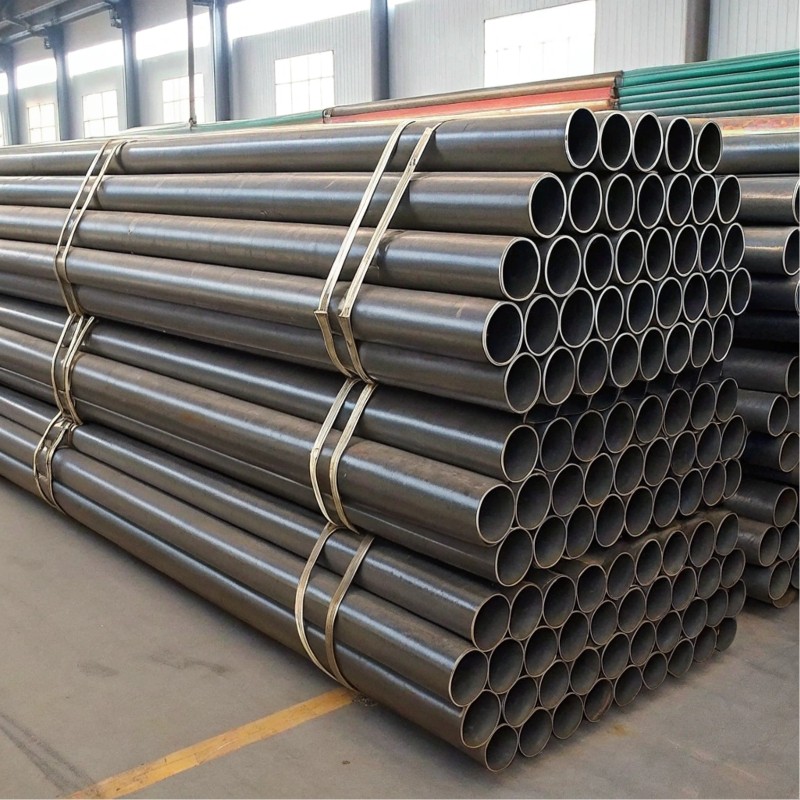
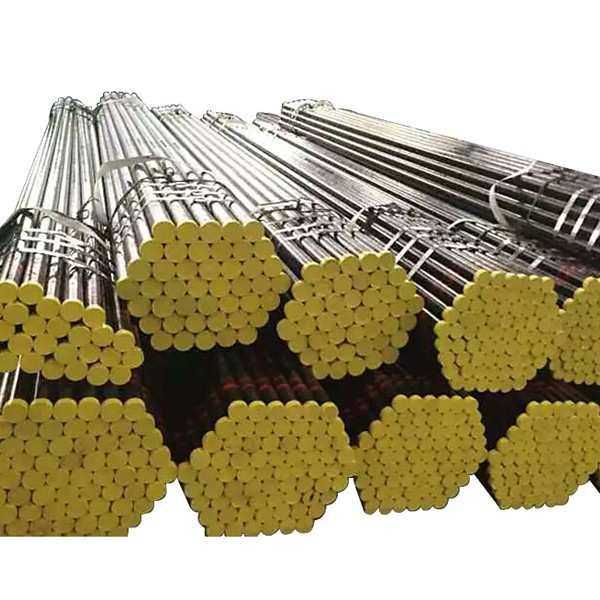
When discussing carbon steel pipes, it is essential to understand the 2 key standards that define their properties and applications: ASTM A53 and ASTM A106. These specifications are widely used across the steel pipe industry and serve as the foundation for selecting the right pipe for fluid transport, structural work, and high-temperature service. Although both standards cover carbon steel pipes, they differ in manufacturing methods, service conditions, and performance characteristics.
ASTM A53 is a general-purpose carbon steel pipe standard covering both seamless and welded pipes. It is commonly used in low- to medium-pressure applications, such as water lines, air systems, steam systems, and structural components. A53 pipe is valued for its good weldability, versatile applications, and availability in a wide range of sizes. The standard includes three types—Type F (furnace-butt welded), Type E (ERW), and Type S (seamless)—making it suitable for a wide variety of non-critical fluid and mechanical uses.
ASTM A106, on the other hand, is specifically designed for seamless carbon steel pipe intended for high-temperature and high-pressure service. It is commonly used in refineries, power plants, boilers, and environments where heat, stress, and corrosion are significant concerns. Available in Grades A, B, and C, A106 pipe features excellent strength, uniform internal structure, and reliable performance under demanding operational conditions.
Understanding the differences between A53 and A106 helps engineers, contractors, and buyers choose the correct pipe for their systems.
For standard fluid transport and structural support, A53 steel pipe is typically sufficient.
For high-temperature, high-pressure, or critical industrial environments, A106 is the preferred choice due to its enhanced mechanical properties and seamless construction.
Recognizing how these standards fit into the broader carbon steel pipe category, users can make more informed decisions and ensure long-term safety, reliability, and system compatibility.
Carbon steel pipes are one of the most widely used piping materials across industrial, commercial, and structural applications. Known for their strength, durability, and excellent cost-performance ratio, carbon steel pipes are engineered to meet different pressure, temperature, and corrosion requirements through various manufacturing processes and grades.
This category includes a full range of carbon steel pipe types, standards, and connection methods to match diverse project needs.
Carbon steel pipe is made primarily from iron and carbon, offering high tensile strength, toughness, and good weldability. By adjusting carbon content and production methods, carbon steel pipes can be tailored for:
High-pressure fluid transport
Mechanical and structural support
Oil & gas pipelines
Industrial processing lines
Carbon steel remains a preferred material for pipelines due to its balance of performance, durability, and affordability.
Seamless pipes are manufactured without weld seams.
Features:
Uniform structure
Excellent pressure and temperature resistance
Ideal for demanding applications
Common Standards:
ASTM A106, ASTM A53, API 5L, EN10216
Welded pipes are produced by forming steel sheets or coils and welding the seam. They offer a cost-effective solution for general applications.
ERW (Electric Resistance Welded) Pipe
LSAW (Longitudinal Submerged Arc Welded) Pipe
SSAW / Spiral Welded Pipe
Carbon steel pipe coated with a layer of zinc for corrosion resistance.
Ideal for outdoor use, construction, and fire protection systems.
Different grades offer varying mechanical properties and chemical compositions.
Common Grades Include:
Depending on installation requirements, carbon steel pipes are available with:
These end types ensure compatibility with welding, threading, groove joints, and mechanical fittings.
Carbon steel pipes are essential in many industries due to their strength and versatility:
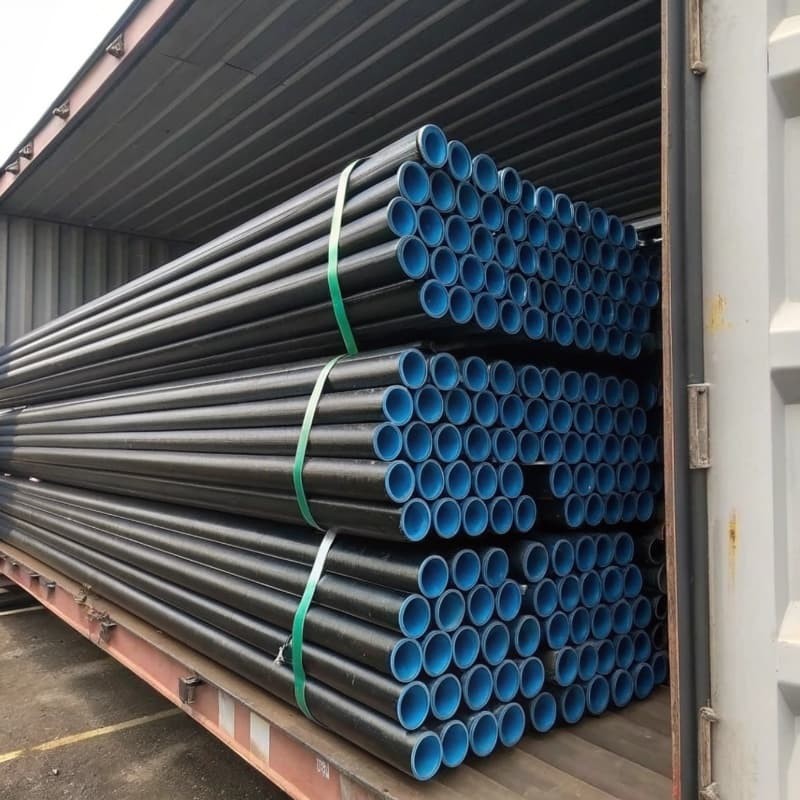
Carbon steel pipe provides a dependable, economical solution for medium to high-pressure systems, structural frameworks, and critical industrial applications.