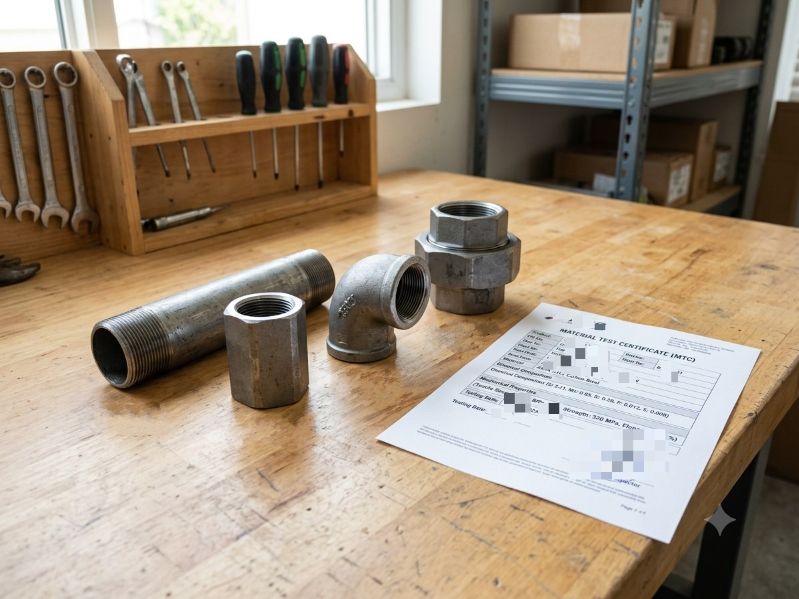
Sourcing pipe fittings from China carries a major risk: fraudulent or incomplete Material Test Certificates (MTCs). This guide shows you how to verify documentation to prevent costly on-site failures.
Read More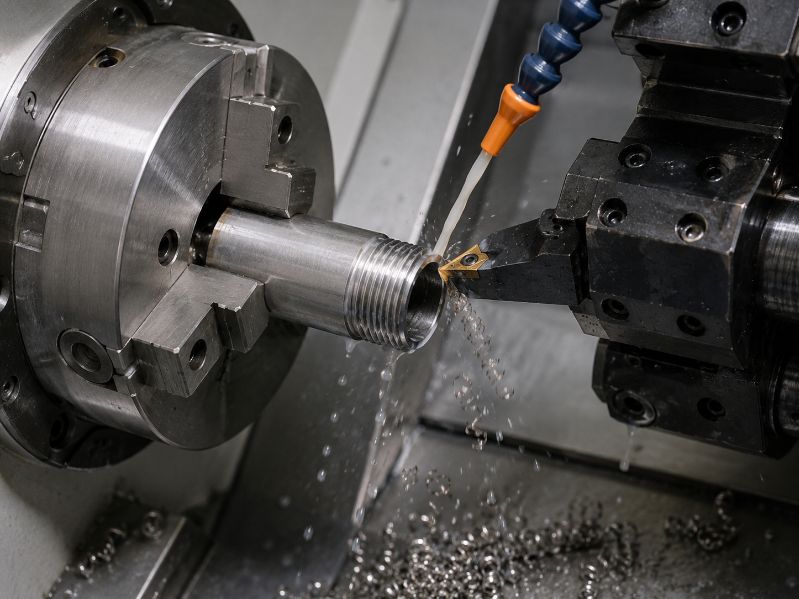
CNC thread machining is essential for producing high-precision pipe fittings that meet international standards. This article explains the CNC threading process, common thread standards, quality control methods, and why accurate thread machining is critical for sealing reliability, installation efficiency, and industrial piping performance.
Read More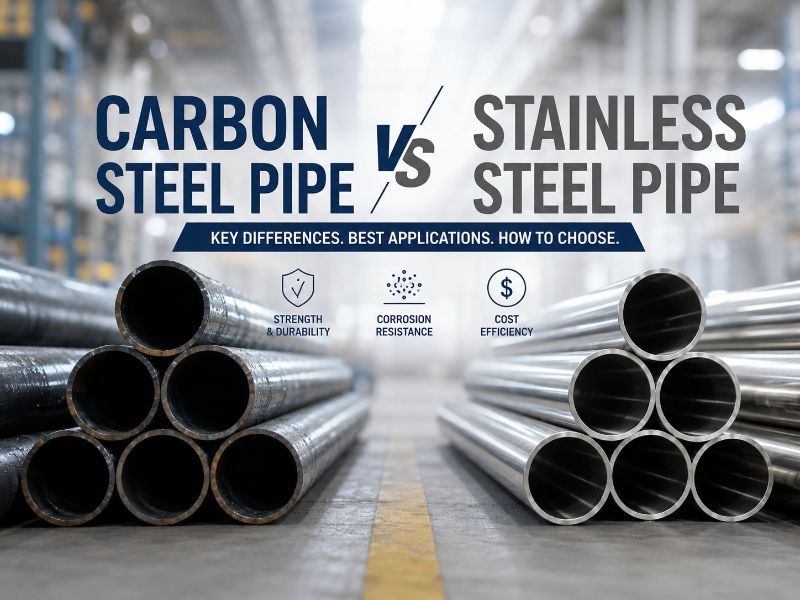
Choosing between carbon steel pipe and stainless steel pipe is one of the most important decisions in any piping project. The right choice affects cost, performance, and long-term reliability. This guide explains the key differences so you can make the best decision.
Read More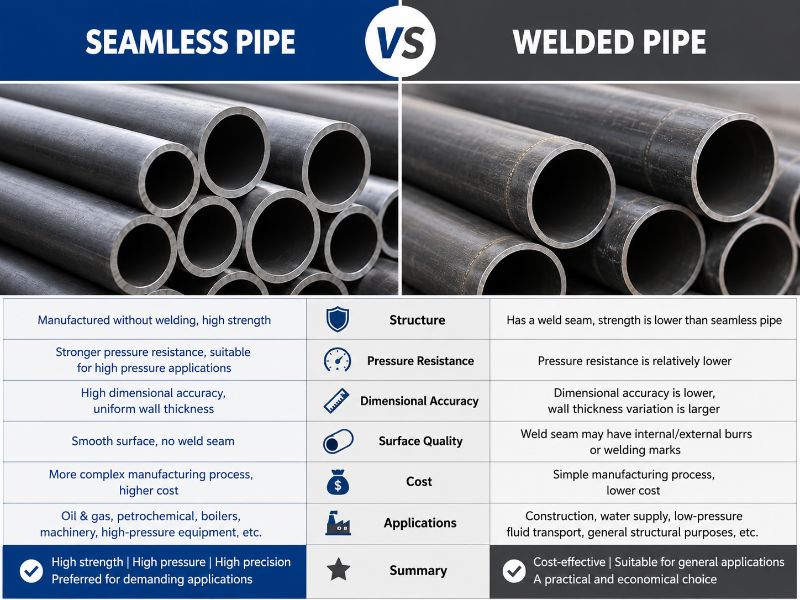
The debate between seamless vs welded steel pipe comes up in almost every industrial piping project. Both types are widely used. However, they differ in manufacturing process, strength, cost, and ideal applications. This guide helps you decide which is right for your needs.
Read More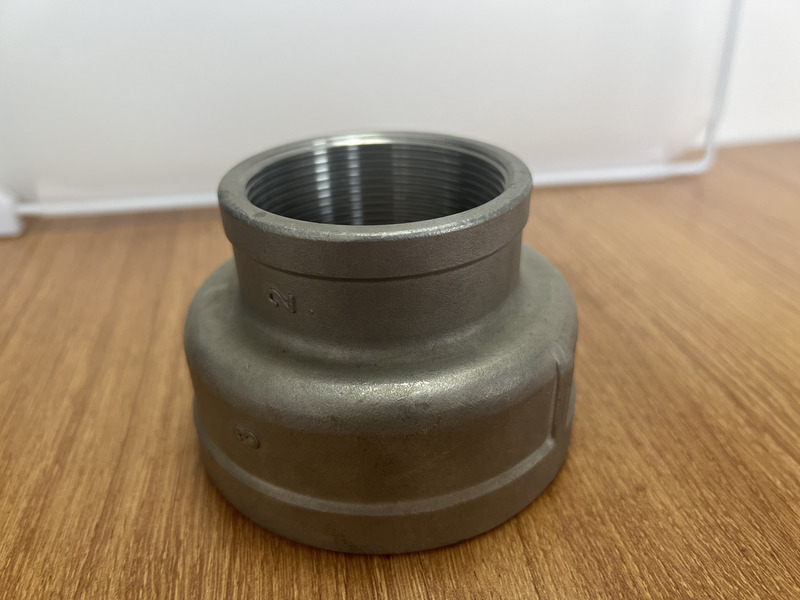
This article discusses reducer couplings' dimensions and selection. Common sizes are 2” x 1” and 3” x 2”. We offer materials like carbon and stainless steel. Proper dimensions and thread types are key to preventing leaks.
Read More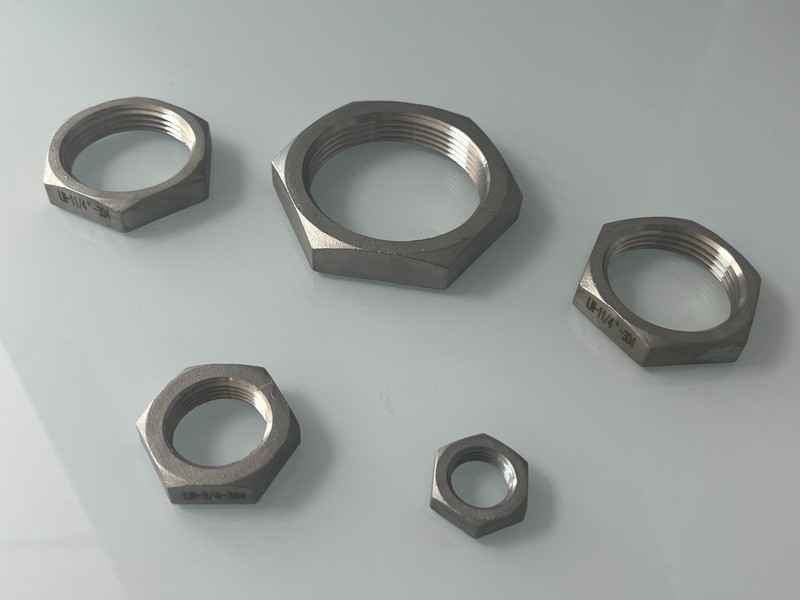
Hex nuts are vital fasteners. This guide outlines types, materials, and ordering tips, emphasizing the importance of avoiding common mistakes and requesting material test reports for quality assurance.
Read More