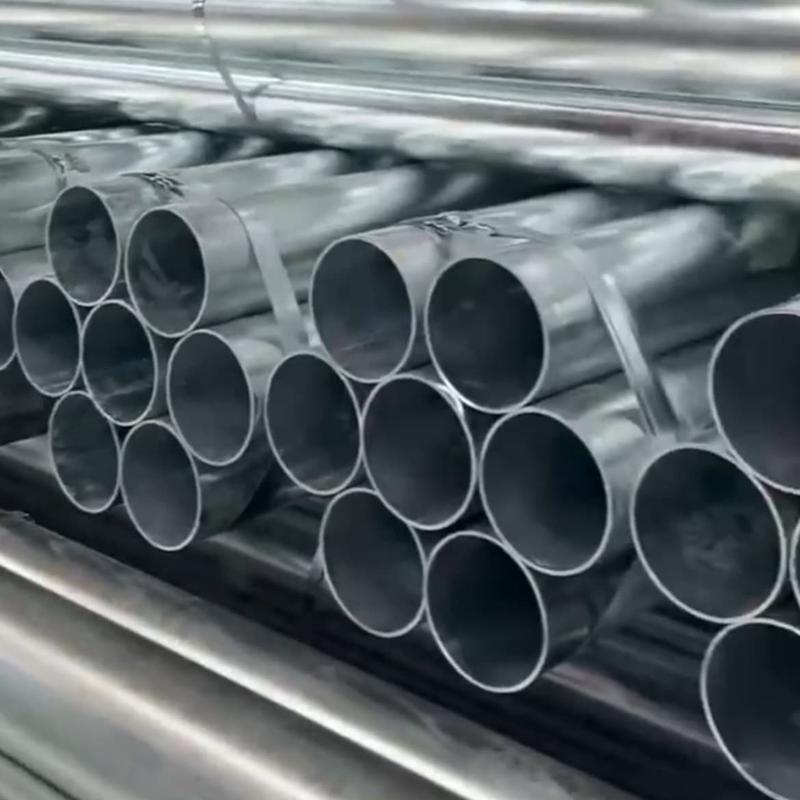
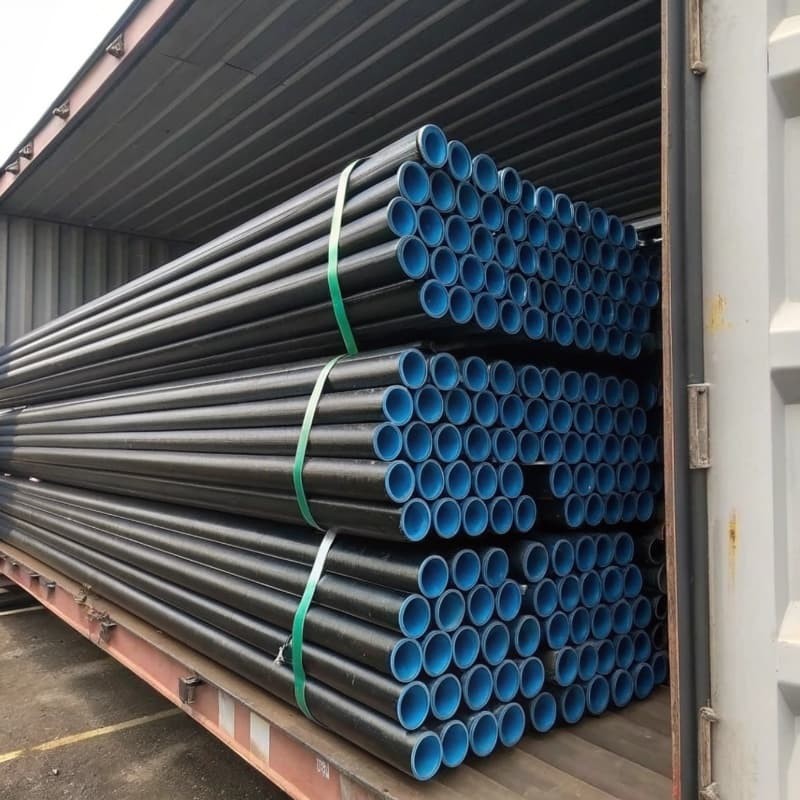
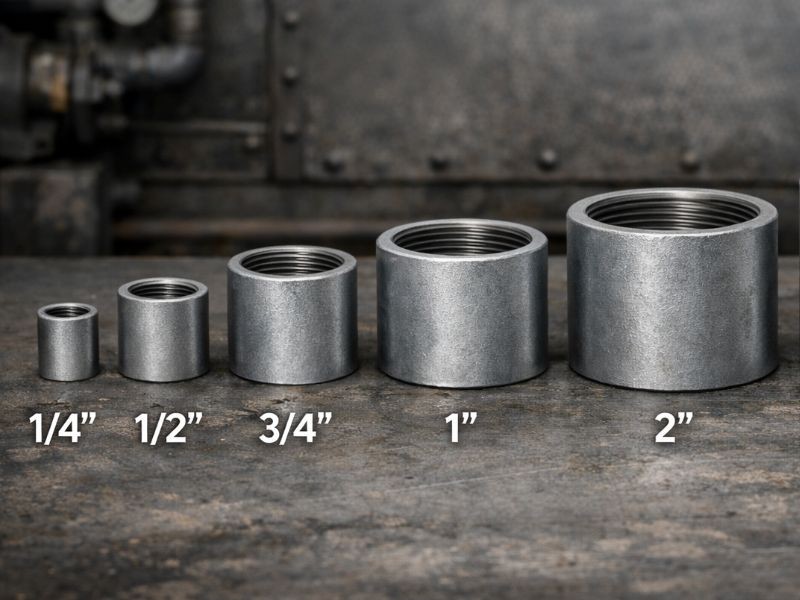
What Is Carbon Steel Pipe?
Carbon steel pipe is made primarily of iron and carbon. It is one of the most widely used piping materials in the world. Carbon steel pipe is strong, affordable, and easy to weld. However, it requires protective coatings to resist corrosion.
Common applications include oil and gas pipelines, structural frameworks, and water supply systems. It performs well under high pressure and temperature.
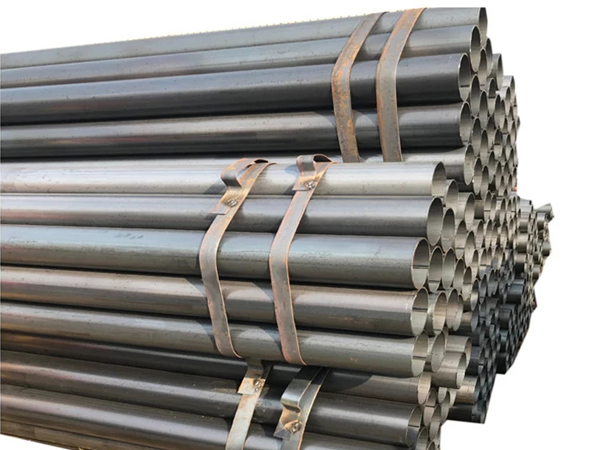
What Is Stainless Steel Pipe?
Stainless steel pipe contains iron, carbon, and at least 10.5% chromium. The chromium creates a passive oxide layer. This layer protects the pipe from rust and corrosion without additional coatings.
Stainless steel pipe is widely used in food processing, pharmaceuticals, marine environments, and chemical plants. Grade 304 and Grade 316 are the most common choices.
Key Differences: Carbon Steel vs Stainless Steel Pipe
Understanding the differences helps you match the right pipe to your needs.
- Corrosion resistance: Stainless steel offers far superior corrosion resistance. Carbon steel corrodes quickly without protective coatings.
- Cost: Carbon steel pipe is significantly cheaper. Stainless steel pipe can cost 3–5 times more per foot.
- Strength: Both materials are strong. Carbon steel has higher tensile strength in most grades. Stainless steel maintains strength at high temperatures.
- Weldability: Carbon steel is easier and cheaper to weld. Stainless steel requires skilled welders and special equipment.
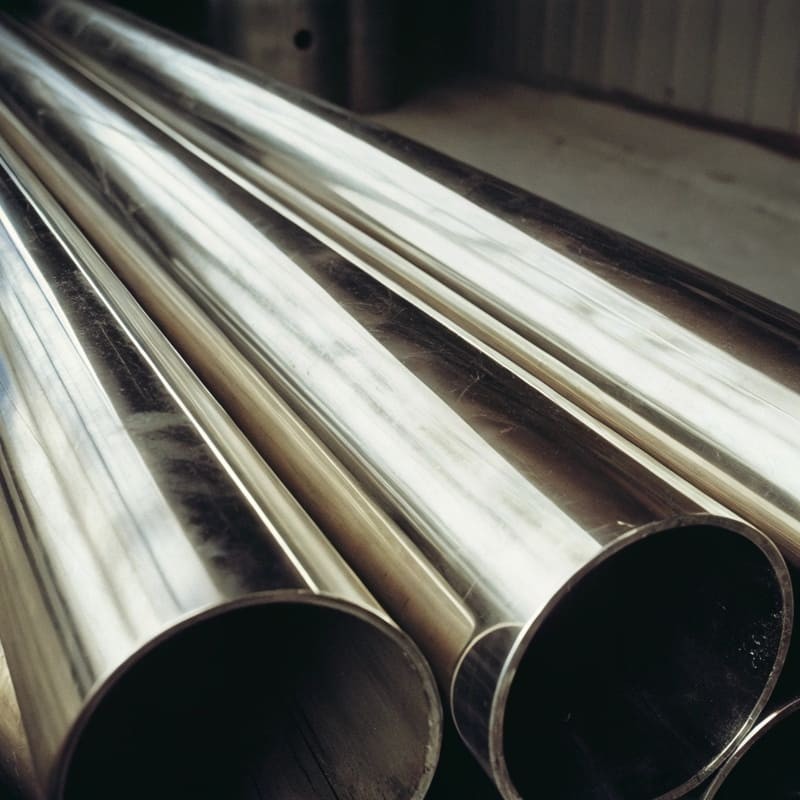
- Appearance: Stainless steel has a clean, polished finish. Carbon steel has a darker, rougher surface.
- Weight: Both materials have similar density. Stainless steel is slightly heavier in equivalent sizes.
When to Choose Carbon Steel Pipe
Carbon steel pipe is the right choice when budget is a primary concern. It is ideal for oil and gas transmission, construction, and industrial applications where corrosion can be managed with coatings or galvanizing. It also works well in dry or low-humidity environments.
When to Choose Stainless Steel Pipe
Stainless steel pipe is the better option in corrosive environments. Use it where water, chemicals, or food products flow through the pipe. It is also preferred when hygiene standards are critical. Furthermore, it performs better in high-temperature and high-pressure applications over long periods.
Cost Comparison
Carbon steel pipe typically costs $0.50–$3.00 per foot for standard sizes. Stainless steel pipe ranges from $2.00–$15.00 per foot depending on grade and size. Therefore, carbon steel is generally the more economical choice for large-scale projects. However, stainless steel may cost less over time due to lower maintenance needs.
Standards and Grades
Carbon steel pipe commonly follows ASTM A53, A106, and API 5L standards. Stainless steel pipe follows ASTM A312 for seamless and welded types. Both materials are available in a wide range of schedules, from Schedule 10 to Schedule 160.
Conclusion
Carbon steel pipe vs stainless steel pipe is ultimately a question of environment and budget. Choose carbon steel for cost-sensitive projects in controlled environments. Choose stainless steel where corrosion resistance, hygiene, or longevity is critical. SANVO manufactures both types to international standards with custom sizes available. Contact us today for a free sample or competitive quote.