Introduction
In industrial piping systems, selecting the correct pipe fitting size is critical for ensuring safety, reliability, and long-term performance. Among the most commonly used fittings in threaded piping networks is the pipe coupling. This small but essential pipe fitting connects two pipes or pipe nipples together, allowing pipelines to extend, repair, or adapt to different layouts.
At our manufacturing facility, we produce a wide range of pipe couplings, pipe nipples, steel pipes, and stainless steel threaded pipe fittings designed for demanding industrial environments. Over the years, we have worked with contractors, pipeline engineers, and procurement teams across many industries, and one common challenge we see is choosing the correct pipe coupling size.
In this guide, we will explain how pipe coupling sizes work, how they relate to a series of threaded pipe fittings, and how to select the right specification for your industrial piping systems.
Applications
Pipe couplings are widely used in threaded piping installations where two pipes need to be securely connected. Because they are compact, strong, and easy to install, they are commonly found in many industrial environments.
Fire Sprinkler Systems
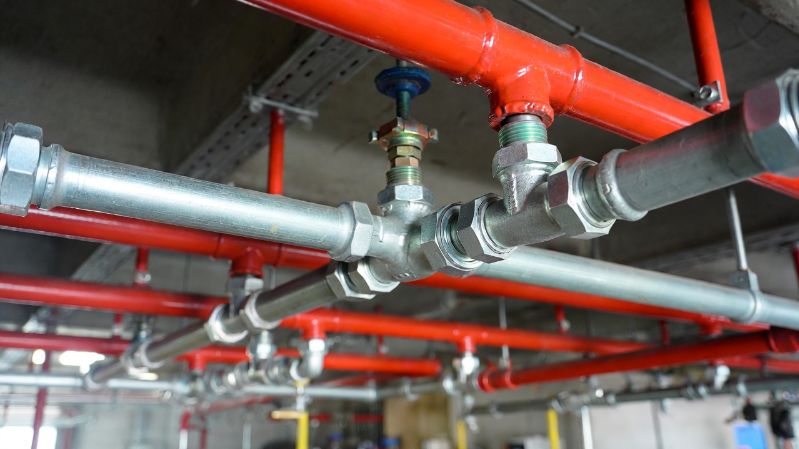
In fire protection systems, threaded pipe fittings are often used because they allow quick installation and easy maintenance. Pipe couplings connect sections of pipe or pipe nipples to form long sprinkler pipelines throughout buildings.
Industrial Water Supply Systems
Factories and processing plants rely on stable water supply pipelines. Pipe couplings connect steel pipes and pipe nipples to create flexible water distribution networks that can be easily expanded or repaired.
Gas Pipeline Systems
Gas pipelines often use threaded connections in smaller diameter systems. Pipe couplings help connect pipe nipples and steel pipes securely while maintaining pressure integrity.
Mechanical Equipment Piping
Many industrial machines require compact pipe connections. Pipe couplings are often used together with pipe nipples to connect valves and pressure gauges.
Boiler Room and Utility Piping
Utility rooms contain multiple pipelines for water, steam, and gas. Pipe couplings allow technicians to connect or replace sections of piping without welding.
Because of these versatile applications, pipe couplings are considered a fundamental component in industrial piping systems.
Why Pipe Couplings Are Used in Industrial Piping Systems
Although there are many pipe connection methods available, pipe couplings remain one of the most practical solutions in threaded pipelines.
Simple Pipe Connection
A pipe coupling is essentially a short fitting with female threads on both ends. It allows two pipes or pipe nipples with male threads to be joined quickly.
This design makes pipe couplings a standard choice for threaded pipe fitting systems.
Easy Pipeline Extension
When pipelines need to be extended, engineers can simply insert a pipe nipple and pipe coupling to lengthen the system.
This modular structure allows pipelines to be adjusted without replacing entire sections of pipe.
Maintenance and Repairs
In maintenance situations, pipe couplings allow technicians to remove damaged pipes and install replacements quickly.
Compared with welded fittings, threaded pipe fittings reduce downtime during repairs.
Compatibility with Standard Threads
Pipe couplings are designed with standard threads such as:
-
NPT (National Pipe Thread)
-
BSPT (British Standard Pipe Thread)
This ensures compatibility with common pipe nipples, steel pipes, valves, and threaded fittings.
Pipe Coupling Sizes
Understanding pipe coupling sizes is important when designing or purchasing couplings for industrial piping systems.
Pipe coupling sizes correspond to the nominal pipe size (NPS) of the pipes to be connected.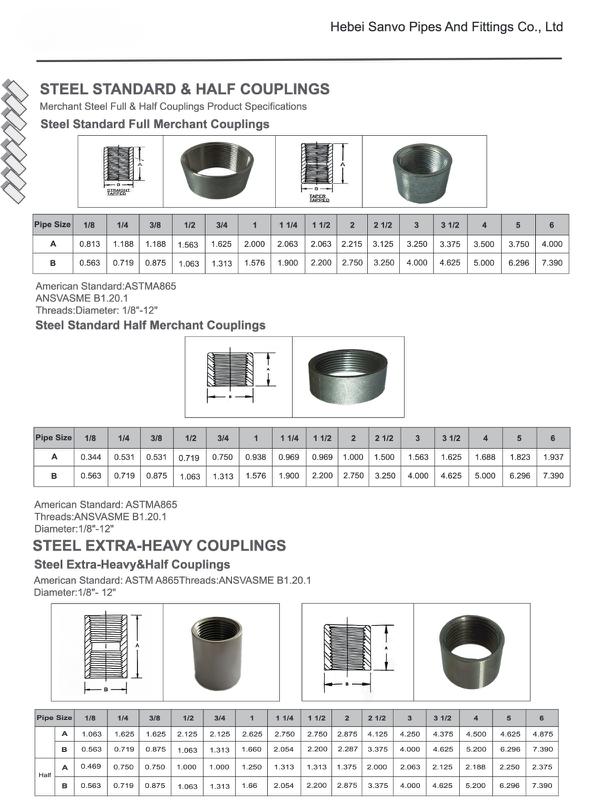
The coupling must match the outer thread size (OD) of the pipe nipple or steel pipe.
Because pipe thread standards are fixed, selecting the correct size ensures proper sealing and pressure resistance.
Material Options for Pipe Couplings
Material selection plays a major role in the performance and durability of pipe couplings. Different materials are suited to different industrial environments.
Stainless Steel Pipe Couplings
Stainless steel is widely used in industries that require corrosion resistance.
Advantages include:
-
Excellent corrosion resistance
-
High strength and durability
-
Suitable for chemical and water systems
-
Long service life
Stainless steel pipe couplings are commonly used in:
-
chemical processing plants
-
food processing facilities
-
water treatment systems
They are often paired with stainless steel pipe nipples and steel pipes in demanding environments.
Galvanized Steel Pipe Couplings
Galvanized steel pipe couplings are coated with a protective zinc layer to improve corrosion resistance.
Advantages include:
-
Good rust resistance
-
Cost-effective solution
-
Suitable for outdoor pipelines
-
Widely used in fire sprinkler systems
Galvanized couplings are frequently used with galvanized pipe nipples in construction and infrastructure projects.
Carbon Steel Pipe Couplings
Carbon steel pipe couplings are commonly used in heavy industrial systems where strength is the primary requirement.
Advantages include:
-
High mechanical strength
-
Good pressure resistance
-
Cost-effective for large systems
They are commonly used with carbon steel pipe nipples and steel pipes in industrial piping systems.
Installation Advantages of Pipe Couplings
One of the biggest advantages of pipe couplings is the ease of installation.
Quick Installation
Because pipe couplings are threaded internally, installation only requires simple pipe tools.
Contractors can connect pipe nipples and steel pipes without welding or specialized equipment.
Flexible Pipeline Assembly
Threaded pipe fittings allow pipelines to be assembled in sections.
This modular structure helps engineers build complex industrial piping systems more efficiently.
Easy Replacement
If a pipe section fails, technicians can remove the damaged pipe nipple and replace it without cutting the pipeline.
This reduces maintenance time and system downtime.
Lower Installation Costs
Compared with welded pipe systems, threaded pipe fittings reduce labor and installation costs, especially in smaller pipeline networks.
Typical Industrial Use Cases
Over the years, we have supplied pipe couplings for a wide range of industries. Some typical examples include:
Fire Protection Systems
Pipe couplings are used to connect pipe nipples in fire sprinkler networks installed in commercial buildings and warehouses.
These systems require reliable fittings that can maintain pressure for long periods.
Factory Utility Pipelines
Many factories have internal water and compressed air pipelines.
Pipe couplings allow maintenance teams to adjust or extend pipelines quickly.
Pump and Valve Connections
Pipe nipples and pipe couplings are often used to connect pumps, valves, pressure gauges, and other mechanical equipment.
These compact connections are ideal for tight installation spaces.
Industrial Maintenance Projects
Maintenance engineers frequently use pipe couplings when replacing sections of damaged piping.
Because they are easy to install, couplings help minimize downtime in production facilities.
How to Choose the Right Pipe Coupling Size
Selecting the correct pipe coupling size requires considering several factors.
Match the Pipe Size
The coupling size must match the nominal pipe size of the pipe or pipe nipple being connected.
For example:
A 1-inch pipe nipple requires a 1-inch pipe coupling.
Verify Thread Type
Make sure the thread type matches the pipeline standard.
Common thread types include:
-
NPT
-
BSPT
Using incompatible threads can cause leakage.
Consider Pressure Requirements
Industrial piping systems may operate under high pressure.
Choose pipe couplings that meet the required pressure rating and applicable standards.
Check Material Compatibility
Ensure the coupling material matches the pipeline environment.
For example:
-
Stainless steel for corrosive environments
-
Galvanized steel for outdoor use
-
Carbon steel for general industrial pipelines
Work with Reliable Manufacturers
Consistent thread accuracy and material quality are essential.
Working with experienced manufacturers helps ensure your pipe couplings, pipe nipples, and other threaded pipe fittings meet industrial standards.
FAQ
1. What is a pipe coupling used for?
A pipe coupling is used to connect two pipes or pipe nipples together in industrial piping systems. It provides a secure threaded connection that allows pipelines to be extended or repaired.
2. What sizes do pipe couplings come in?
Pipe couplings are available in many sizes, typically ranging from 1/8 inch to 12 inches, matching the nominal pipe size of the connected pipes.
3. What is the difference between a pipe coupling and a pipe nipple?
A pipe coupling has internal threads on both ends and connects two pipes.
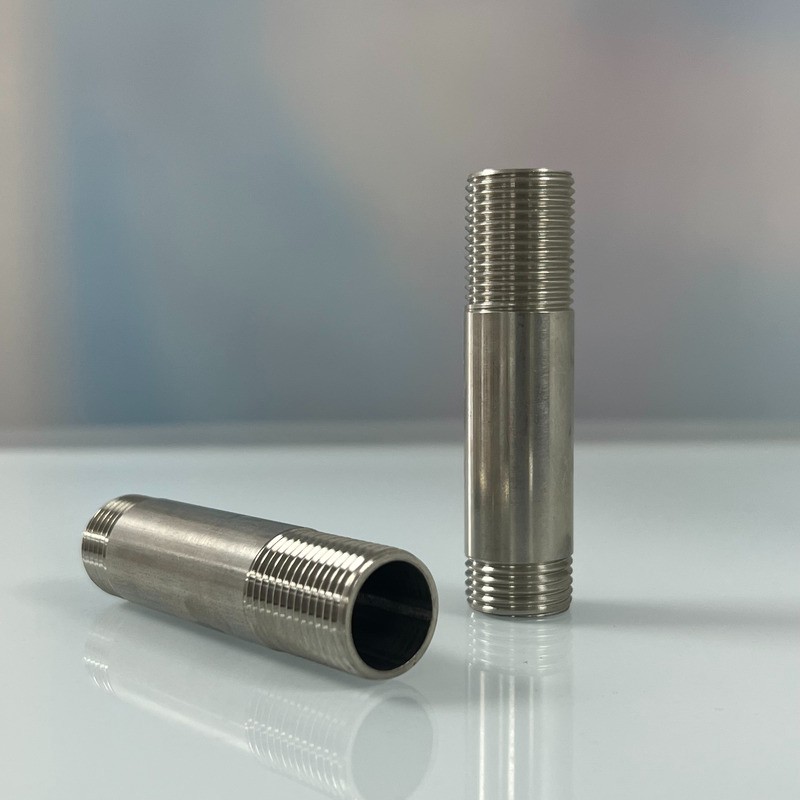
A pipe nipple is a short section of pipe with external threads on both ends that fits into the coupling.
4. Which material is best for pipe couplings?
The best material depends on the application.
-
Stainless steel: corrosion-resistant environments
-
Galvanized steel: fire protection and outdoor systems
-
Carbon steel: heavy industrial pipelines
5. Are pipe couplings suitable for high-pressure systems?
Yes, when manufactured according to proper standards, pipe couplings can be used in many industrial systems. However, the pressure rating must match the system requirements.
Conclusion
Pipe couplings play an essential role in connecting pipes and pipe nipples within industrial piping systems. By providing a simple yet reliable threaded connection, they allow pipelines to be installed, extended, and maintained efficiently.
Choosing the correct pipe coupling sizes requires understanding pipe dimensions, thread standards, material options, and operating conditions. When properly selected, pipe couplings help ensure safe and reliable pipeline performance.
As a manufacturer specializing in pipe nipples, pipe couplings, steel pipes, and threaded pipe fittings, we focus on delivering precision-engineered products that meet the needs of contractors, engineers, and industrial distributors worldwide.
Whether you are designing a new pipeline or maintaining an existing system, selecting the right pipe coupling is a key step toward building efficient and durable industrial piping networks.