
About Pipe Nipple Wall Thickness
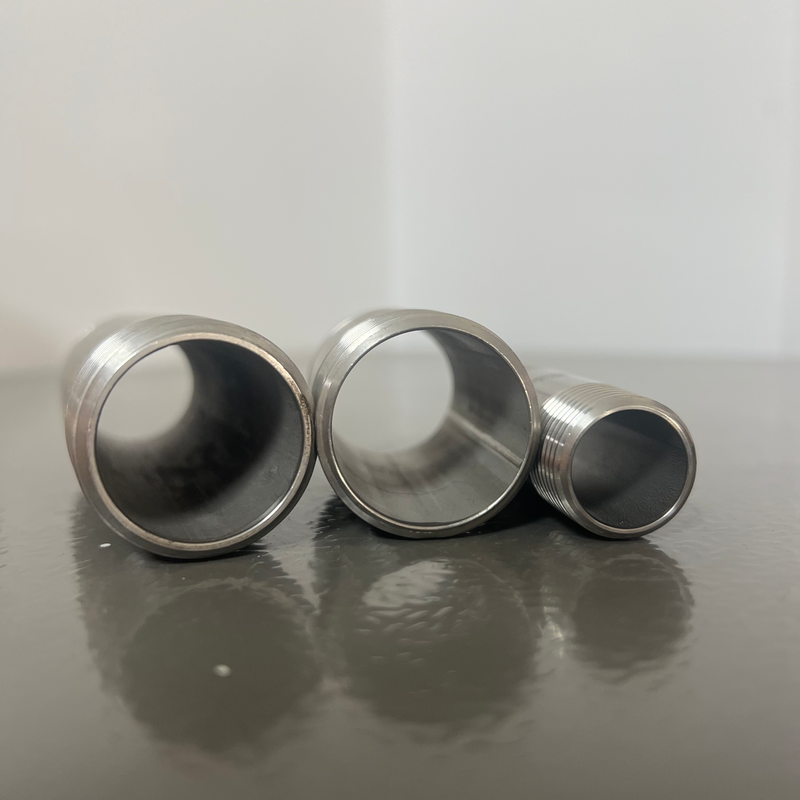
Nominal pipe thickness is a key factor in influencing pipe nipple property, and according to different standards (ASME B36.10 or ASTM A733), the thickness is usually expressed as “schedule (SCH) or class. 1. Common pipe wall thickness classification The schedule is American standard pipe specification, and the pipe wall thickness varies with the increase in diameter. Common specifications include: SCH 10: Thin wall thickness, suitable for low-pressure and non-critical applications. SCH 40: Medium wall thickness, the standard choice for industrial and commercial use, suitable for medium-pressure applications. SCH 80: Thick wall design, suitable for high-pressure and high-temperature conditions. SCH 160: Extra thick wall, suitable for extreme high-pressure environments. 2. Performance and application of different wall thickness SCH 10 Pipe Nipple Schedule 10 pipe nipple has a thin thickness, 1/2 inch pipe nipple only 1.65mm wall thickness. SCH 10 pipe is light, and lower cost. Sch 10 pipe thickness has strong fluid permeability and low pressure bearing capacity. SCH 40 Pipe Nipple SCH 40 pipe thickness provides medium thickness. Schedule 40 pipe thickness has medium strength, and schedule 40 pipe nipple is suitable for industrial applications. Schedule 40 pipe wall thickness has low fluid resistance and strong durability. SCH 80 Pipe Nipple Sch 80 nipple is thicker. Schedule 80 nipples are suitable for high-pressure applications, with stronger shock resistance performance. Schedule 80 nipples have excellent high-temperature resistance. SCH 160 Pipe Nipple Extra thick with schedule 160 pipe nipple. Schedule 160 pipe nipple is specialized in extreme high-pressure conditions. Schedule 160 pipe nipple has excellent wear and corrosion resistance properties. 3. Schedule 40 vs 80 steel pipe thickness Schedule 40 nipple thickness is the standard in multiple applications, widely in medium-pressure and temperature pipe systems. Usually, it is the first choice for industrial and commercial use. Sch 80 nipple is thicker, and suitable for more high-pressure and temperature environments. Sch 80 nipple provides higher strength and durability, but the inner diameter through which the fluid passes is smaller. Performance Difference Schedule 40 pipe nipples are suitable for Water supply, HVAC, low-pressure steam systems, etc. They have more pipe flow and are popular for those that need higher flow speed systems. Schedule 80 nipples can withstand higher pressure due to their thicker wall thickness, which makes them suitable for high-pressure liquid or gas transportation, especially in the industry and petrochemical field. Due to the reduced inner diameter, the Sch 80 nipple has a slightly lower flow rate. 4. Customized Service We can provide according to customer needs: Diverse pipe nipples (galvanized nipple, stainless steel nipple, brass nipple, and black pipe nipple) A series of surface treatments (polish, galvanized, black coating, etc.) multiple lengths and threaded types (NPT thread pipe nipple, BSP thread nipple, etc.) If you need samples or quotes, please provide the following information: (1) Wall thickness (SCH 10/40/80/160). (2) Pipe diameter, length, and surface treatment requirements. (3) Application scenarios (such as pressure and fluid type).
The Wholesaler’s Guide to Plumbing Pipe Types and Applications
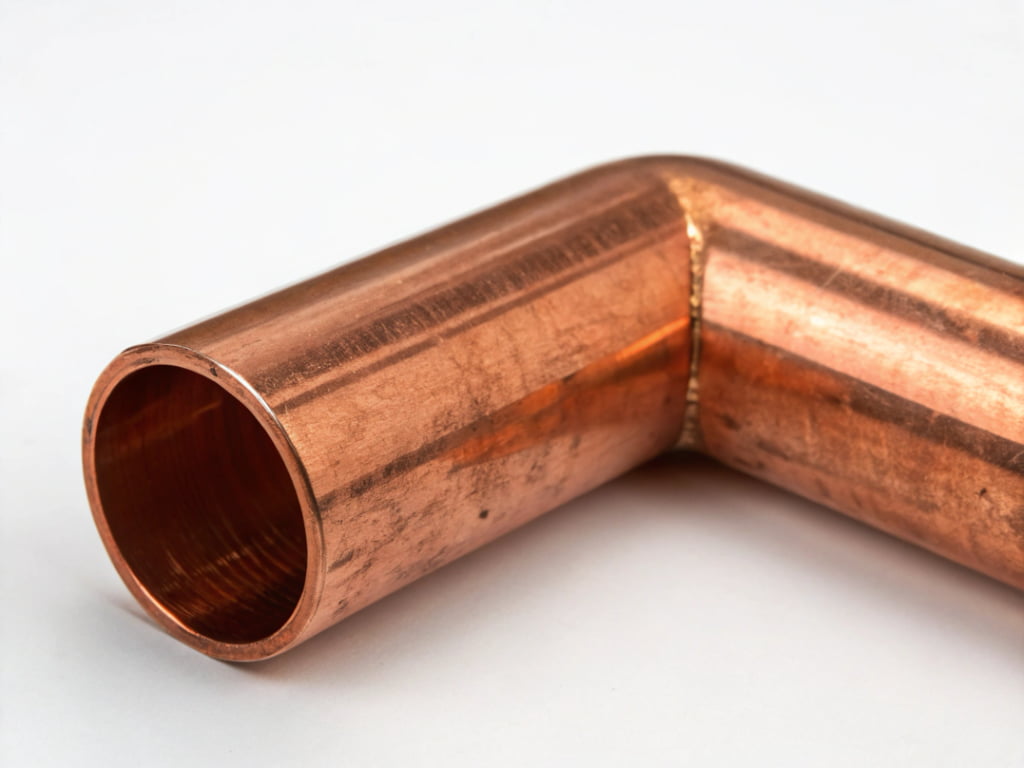
The question “Which pipe is best for plumbing?” doesn’t have a single answer. The ideal choice depends heavily on the specific application, budget, local building codes, and desired lifespan of the system. This guide breaks down the most common plumbing pipe types to help you navigate the options. Key Factors When Choosing Plumbing Pipes Cost: Both material cost and installation cost. Durability and Lifespan: How long will the pipe last? Is it resistant to corrosion, temperature fluctuations, and pressure? Application: Is it for water supply (hot or cold), drainage, or venting? Is it for residential or commercial use? Ease of Installation: How hard is the pipe to cut, join, and shape? This impacts labor costs. Temperature and Pressure Resistance: Can the pipe handle the required water temperature and pressure? Flexibility: Is flexibility needed for routing through tight spaces? Building Codes: Does the material meet local plumbing codes? Common Types of Plumbing Pipes Here’s a look at the most prevalent plumbing pipe types you’ll encounter in the market: Pipe Type Advantages Disadvantages Applications PEX Highly flexible Cost-effective Freezing resistant No corrosion or leaks Cannot be used outside Fittings may restrict flow Hot and cold water supply lines, radiant heating systems Copper Durable Heat and pressure resistance No chemical leaching UV light resistant More expensive Corrode in acidic water Rigid, unsuitable for tight spaces Water supply lines, refrigerant lines, and drainage PVC Very cost-effective Easy to cut and join Corrosion and chemical resistance Lightweight Not for hot water or high pressure Can become brittle over time Temperature limits Drainage, waste, vent systems, and cold water supply CPVC Handles hot and cold water Easy installation Corrosion resistant More rigid than PEX More expensive than PVC Requires space for expansion Affected by certain chemicals Hot and cold water supply lines ABS Durable and impact resistant Easy installation Performs well in cold temperatures Not suitable for pressure lines Can warp at high temperatures Drain, waste, and vent systems Galvanized Steel Strong and durable Withstand high pressure Prone to internal corrosion Heavy and difficult to cut Zinc coating can wear off Not suitable for gas lines Older homes, non-drinking water, and structural support PEX (Cross-linked Polyethylene) PEX is a flexible plastic tubing that has become incredibly popular, especially for water supply lines. Pros: Highly flexible, making installation easier and requiring fewer fittings.Cost-effective material and lower installation labor costs.Resistant to freezing (it expands and contracts).Doesn’t corrode or develop pinhole leaks like some metal pipes. Cons: It cannot be used outside because UV light can damage it.Potential for rodent damage.Fittings can sometimes restrict flow slightly more than traditional methods. Copper Pros: Extremely durable and long-lasting.Excellent resistance to heat and pressure.Doesn’t leach chemicals into water.Resistant to UV light. Cons: More expensive material than plastic alternatives.Installation requires soldering, which needs skill and specialized tools (higher labor cost).Can be susceptible to corrosion in certain water conditions (e.g., acidic water).Rigid, making installation in tight spaces more challenging. PVC (Polyvinyl Chloride) PVC pipe is a rigid plastic pipe widely used for drainage, waste, and vent (DWV) systems. Pros: Very cost-effective.Easy to cut and join using solvent cement.Resistant to corrosion and chemicals.Lightweight. Cons: Not suitable for hot water or high-pressure applications.Can become brittle over time, especially if exposed to UV.Temperature limits restrict its use in some areas. CPVC (Chlorinated Polyvinyl Chloride) CPVC is similar to PVC but has undergone a chlorination process, making it suitable for hot water and higher pressures. Pros: Handles both hot and cold water.Easy to install using solvent cement.Resistant to corrosion.More rigid than PEX. Cons: More expensive than PVC.It can be more brittle than PEX or copper.Requires space for expansion and contraction.Can be affected by certain chemicals (e.g., some insecticides). ABS (Acrylonitrile Butadiene Styrene) ABS is another rigid plastic pipe, similar to PVC, primarily used for drainage. Pros: Very durable and impact resistant.Easy to install using a single-step solvent cement (no primer needed in many cases).Performs well in cold temperatures. Cons: Not suitable for pressure lines.Can warp at high temperatures.May be prohibited by code in some areas; check local regulations. Galvanized Steel Galvanized steel pipes are steel pipes coated with zinc to prevent rust. Pros: Very strong and durable.Can withstand high pressure. Cons: Prone to internal corrosion and mineral buildup over time, reducing water flow and potentially causing leaks.Heavy and difficult to cut and thread (requires specialized tools and labor).Zinc coating can wear off, leading to rust.Not suitable for gas lines (zinc can flake off and clog regulators). Choosing the Right Pipe for Specific Applications Here’s a quick summary based on common uses: Hot and Cold Water Supply: PEX, Copper, CPVC.Drain, Waste, and Vent (DWV): PVC, ABS.High Pressure: Copper, Galvanized Steel (though less common now).Flexibility Needed: PEX.Budget-Conscious (Material): PVC, PEX.Longest Lifespan (Historically Proven): Use copper if the water conditions are good. Conclusion The best pipe is project-specific; it depends on the unique requirements of each job. There is no single best material for all situations. By understanding the characteristics of PEX, Copper, PVC, CPVC, ABS, and Galvanized Steel, you can find the most suitable, cost-effective, and long-lasting solutions for plumbing needs.
Processing Methods Of Stainless Steel Threaded Pipe Fittings
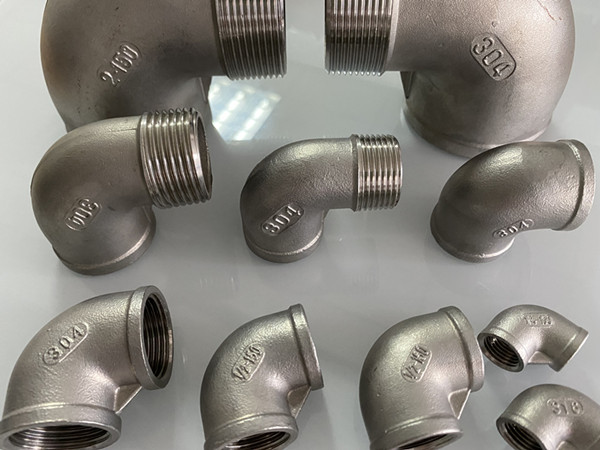
What are the production processes and specific processing methods of stainless steel pipe fittings? Conventional semi-continuous hot continuous rolling, CSP continuous casting and rolling, medium and heavy plate units, and furnace coil units are different processing technologies. Each processing technology has a good advantage. It can ensure that the stainless steel pipe elbows produced have good performance and use. In the processing of stainless steel elbows, when tapping to fit the thread size, there may be a situation where the end surfaces of the two taps collide. The reason is that the base surface of the tap is longer. In this situation, it is necessary to shorten the end face of the tap, but the shortened end face may adversely affect the function of the tap. The relationship between the tap and the workpiece to be processed before and after the end face of the tap is shortened can be seen. After the end face is shortened, the threaded part of the tap cannot be normally introduced into the hole but is pressed into the hole by the end face, which affects the function of the tap. On the furnace coil mill, the thermomechanical history of stainless steel stamped elbow pipe fittings has changed significantly, especially in the production of stainless steel stamped elbow pipe fittings, which will drastically affect the recrystallization level, grain growth and precipitation produced on the finishing mill. And it incurs violent changes in the ultimate microstructure and function of the entire length of stainless steel stamped elbow fittings. When grinding, be sure to adhere to the original geometric shape of the front guide, it is best to use a tap shovel grinding machine to stop grinding. The best way to deal with a longer tap base is to customize a tap with a shorter base according to the specific requirements of the thread being processed. In order to extend the service life of the tap and enhance the quality of thread processing, it should be noted that stainless steel pipe elbows have a good processing technology, and different processing methods are used in processing. In order to solve these problems, consumers have to stop grinding the front guide of the tap, and before and after grinding the front guide of the tap. Due to the shape modification of the front guide after grinding, the tap function will still be affected. The way to deal with this problem is the furnace coil mill, which includes a reciprocating roughing mill and a 4-roll reciprocating finishing mill. Two hot coil mills were installed on the feed lines on both sides of the finishing mill.
Ready Cut Pipe & Pipe Nipple – Pipe Fitting Supplier
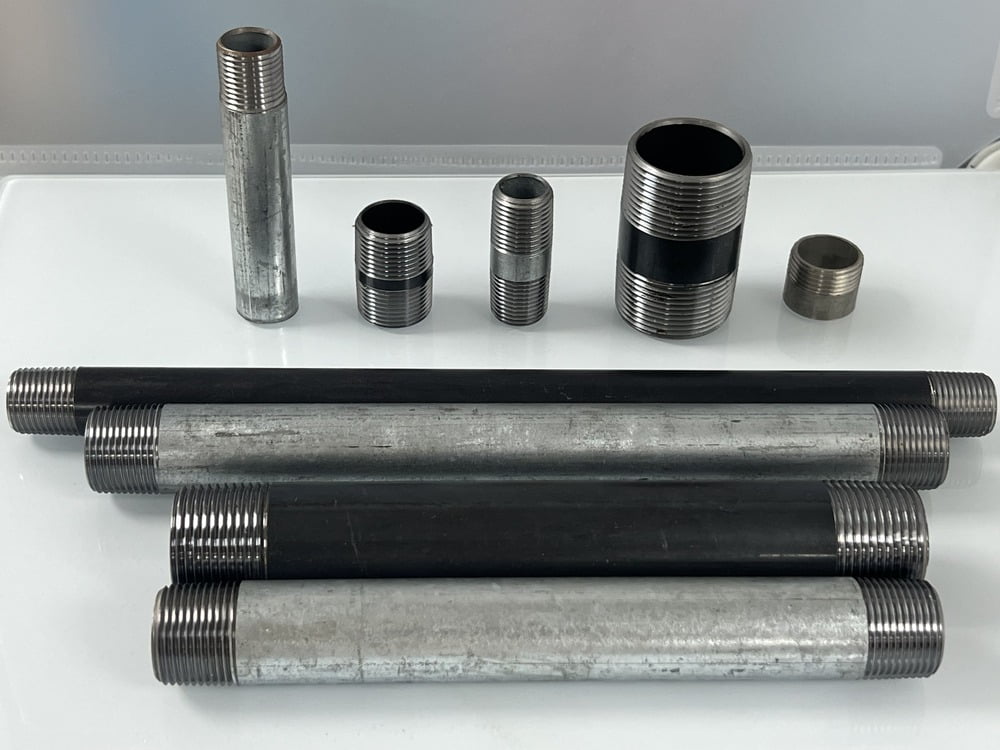
Pipe nipples and ready cut pipes are both essential components in plumbing and piping systems, but they differ mainly in length: Pipe Nipple: Male-threaded fittings under 18 inches, used to connect pipes or fittings. Ready Cut Pipe: Pipes longer than 18 inches, pre-cut and pre-threaded for immediate use without extra processing. These high-strength pipes save time and increase efficiency in installation projects. Types of Ready Cut Pipe 1. Black Ready Cut Pipe Made from carbon steel with a black finish. Suitable for residential and commercial fuel or gas systems. Not recommended for water supply systems. 2. Galvanized Ready Cut Pipe Zinc-coated for corrosion resistance. Commonly used in residential plumbing systems. A cost-effective solution for small-budget projects. Sizes and Availability We supply ready cut pipe sizes from 1/8 inch to 2 inches, and lengths from 18 inches to 72 inches.Available in black and galvanized finishes, customizable to meet your project needs.
Reducing Coupling Sizes Guide | Couplings Manufacturer
As a couplings manufacturer, we manufacture and supply reliable pipe couplings. We support technical knowledge and product data for your projects. In this guide, first, we explain reduced coupling sizes clearly. We also share the pipe coupling dimensions and selection methods. So, procurement engineers can make informed decisions. Types of Pipe Couplings We manufacture several types of pipe couplings. Each type serves a different function in the piping system. Full coupling connects two pipes of the same size. Reducing couplings connect pipes of different sizes. Additionally, half coupling provides branch connections. Coupling connection methods include threading and welding. Reducing coupling is widely used in system transitions. Thus, it is essential in complex piping layouts. Pipe Coupling Sizes Reducing coupling sizes depends on the inlet and outlet diameters. Typically, sizes follow nominal pipe size standards. For example, a 2” x 1” reducing coupling is common. It connects a larger pipe to a smaller one. Below is a typical reducing coupling size chart: Sizes 1/4″ 3/8″ 1/2″ 3/4″ 1″ 1-1/4″ 1-1/2″ 2″ 2-1/2″ 3″ 4″ 21.57 25.5 30.6 37.0 44.5 55.1 61.7 75.0 64.8 101.4 129.3 25.7 28.5 35.0 38.0 41.0 51.0 53.8 63.5 82.5 89.6 92.7 1” x 1/2” 1-1/2” x 1” 2” x 1-1/2” 3” x 2” 4” x 3” However, custom reducer coupling sizes are also available. We support project-specific dimensions when required. Reducing coupling dimensions includes length and thread depth. These parameters ensure proper sealing and alignment. Thread Standards Thread type is critical for connection performance. We manufacture fittings based on international standards. Common thread standards include NPT and BSPT. However, BSPP is also available for specific applications. NPT threads are widely used in North America. Meanwhile, BSP threads are common in Europe and Asia. Therefore, selecting the correct thread avoids leakage issues. Material Options Material selection depends on pressure and environment. We offer multiple material options for different needs. Carbon steel is suitable for general industrial use. It provides strength and cost efficiency. Stainless steel offers corrosion resistance. Therefore, it is ideal for chemical and marine environments. Additionally, we supply galvanized steel for water systems. It improves durability in humid conditions. Applications Reducing couplings are used in many industries. For example, they are common in oil and gas systems. They are also used in water treatment pipelines. Additionally, they support HVAC and fire protection systems. Therefore, they help manage flow transitions efficiently. FAQ What are standard reducer coupling sizes? Standard sizes follow nominal pipe sizes. Common examples include 2” x 1” and 3” x 2”. How to choose the reduction of coupling dimensions? First, match pipe sizes and pressure ratings. Then, check the thread type and material compatibility. What materials are best for reducing couplings? Carbon steel suits general use. However, stainless steel is better for corrosive environments. Why choose a professional couplings manufacturer? We ensure consistent quality and precise dimensions. Additionally, we provide technical support for projects.
Round Plug, Square Plug and Hex Plug
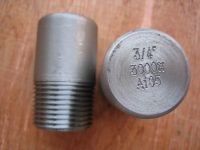
The pipe plug is crucial in home maintenance or industrial plumbing projects. It helps seal the pipe, prevent leaks, or protect system integrity. But do you know pipe plugs are not one type only? Round, square, and hex plugs have respective characteristics for different applications. Today, we will discuss the differences, uses, and tips for choosing between these three plug types and ensuring you can solve the problems! 1. What is a Pipe Plug? The plug fitting is used to seal or block the pipeline taping, usually with threads that screw into the end of a pipe or valve. They are in water, gas pipes, industrial piping, furniture, and decorative items. Materials such as stainless steel, carbon steel, or brass make them both durable and aesthetically pleasing, while different shapes of plugs are available to meet a variety of installation needs. 2. The difference between Round Plug, Square Plug, and Hex Plug Although round plug, square plug, and hex plug sound like designs and applications have a visible difference. Round Pipe Plugs The round plug has a round head and a threaded part in the bottom, which is easy to screw into the pipe. Round pipe plugs are suitable for applications that require aesthetics, such as home plumbing systems or decorative piping. They are also because they need not frequently removed. Stainless steel can be resistant to rust and is durable. The lack of a flat gripping surface may make handling less convenient, especially in tight spaces. Square Pipe Plug The square pipe plug has a square head and a threaded part at the bottom, which makes it convenient to grab with a wrench or socket set. Square plugs are commonly used in the industry and are effective for maintenance in compact spaces. The square design is easy to manipulate with tools for installation and removal, even in a narrow space. Stainless steel is suitable for moisture or corrosion environments. The square plug heads may be slightly limited in some tool compatibility compared with hex. Hex Head Plug The hex plug has a hexagonal head and a threaded part at the bottom, which makes it best suited for manipulation with a wrench. The most common type can seal pipe ends, perform pressure tests, or isolate parts of the system. The hexagonal design provides multiple grip points, quick and easy installation and removal, suitable for various tools and environments. Its versatility makes it the first choice on the market. A hex head plug is harder to use in tight spaces than a square pipe plug. 3. What environments do they fit for? To choose a suitable plug, consider the installation environment and requirements. Some suggestions in the following: If you need to close an unused port on a faucet or pipe, easily tighten a 1-inch hex or square plug with a wrench. Stainless steel is resistant to rust. In the oil and gas or chemical industries, hex plugs are popular due to their resistance to pressure and corrosion. 304 or 316 stainless steel, making them suitable for high-pressure environments. Round plugs provide a simple and aesthetically pleasing look. 4. How to Choose Pipe Plug? Sizes Ensure plug size pitch with piping. Material 304 and 316 stainless steel is used in moisture and corrosion environments, carbon steel is suitable for general applications, and brass decorates or lower corrosion environments. Stress Rating Industrial applications require a 3000 LB or 6000 LB pressure rating, but households need a lower grade. Installation Space A narrow space is suitable for a plug square head, and an open area needs a hex head plug. Tool You need the wrench or tool, and a round-head plug needs special clamps. 5. Install and Maintenance Tips Use PTFE tape or sealant to ensure the head plug is tightly sealed with the pipe to prevent leakage. Hex and square head plugs can be turned with a wrench, while round plugs need a clamp or other tool for manipulation. Especially for industrial or outdoor use, regularly check whether the pipe plug is loose or corroded to ensure system safety. 6. Why choose Stainless Steel Plug? Stainless steel is available in round, square, or hex pipe plugs and is the most popular material. Reason include: Anti-corrosion High-temperature resistance Hygienic security Long service life 7. FAQ Q1: Where can a 1-inch plug be used? A: 1-inch plug refers to the inside diameter of the pipe (NPT standard), and ensure that the plug thread matches the pipe thread. Check pipe specifications and plug specifications. Q2: Which is more durable, a round or hex head plug? A: Durability depends more on the material than the shape. Stainless steel round, square, or hex plugs are equally durable, depending on installation requirements and tool availability. Q3: How long does the pipe plug to be replaced? A: Pipe plugs can last many years if correctly installed and take the right materials (such as stainless steel). Check the loosening or corrosion regularly, and replace it in time if there is leakage or damage. 8. Conclusion Whether round, square, or hex pipe plugs are indispensable pipe fittings in plumbing systems, you can choose the most suitable type. Suitable plugs increase efficiency and ensure system safety and aesthetics. If you have a question, welcome leave a message! Contact us for a quote, and purchase our products to solve the problems in your piping system.