
Seamless vs Welded Steel Pipe
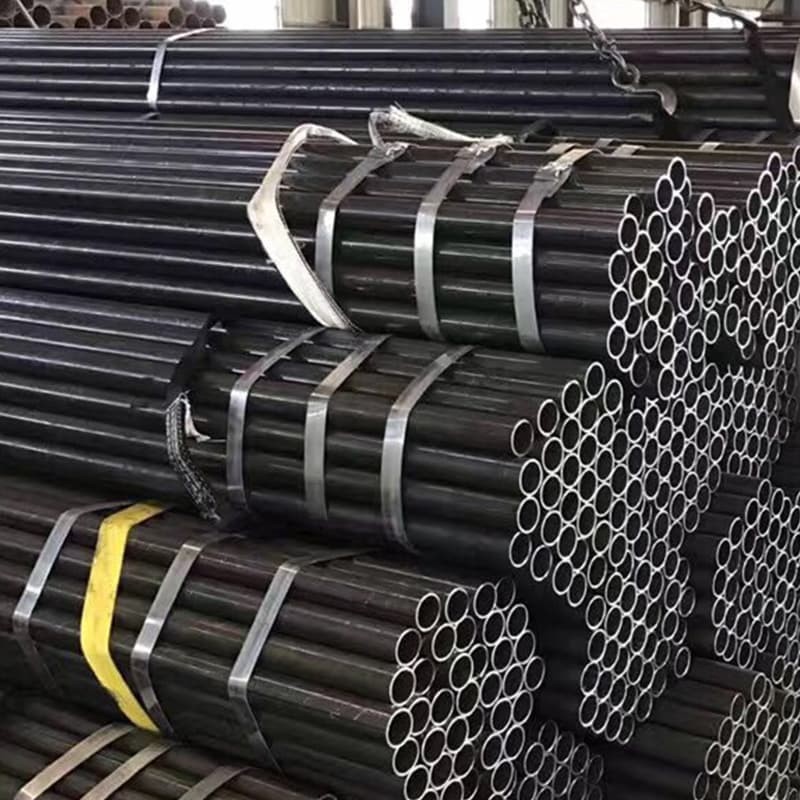
How Seamless Steel Pipe Is Made Seamless steel pipe is made without any weld seam. Manufacturers start with a solid steel billet. They then pierce and roll it into a hollow tube. Because there is no weld, the pipe has uniform strength throughout its entire wall. This process makes seamless pipe more expensive to produce. However, it also makes the pipe more reliable under extreme pressure and temperature conditions. How Welded Steel Pipe Is Made Welded steel pipe starts as a flat steel strip or plate. The strip is rolled into a cylinder and then welded along one seam. The most common method is Electric Resistance Welding (ERW). Another method is Submerged Arc Welding (SAW) for large diameter pipes. Welded pipe is faster and cheaper to produce. As a result, it dominates many standard-pressure applications. Seamless vs Welded: Key Differences Strength: Seamless pipe has no weld seam, so it handles higher pressure more reliably. Welded pipe depends on weld quality. Cost: Welded steel pipe costs 20–40% less than seamless in most sizes. Budget-conscious projects typically prefer welded pipe. Size range: Welded pipe is available in much larger diameters. Seamless pipe is typically limited to diameters under 24 inches. Wall uniformity: Seamless pipe has more consistent wall thickness. Welded pipe can have minor variations at the seam. Lead time: Welded pipe is faster to produce and usually available from stock. Seamless pipe may require longer lead times. Testing requirements: Seamless pipe may require less non-destructive testing. Welded pipe seams must be inspected and tested. Applications of Seamless Pipe Seamless pipe is preferred in high-pressure and high-temperature applications. Common uses include oil and gas exploration, boiler and heat exchanger tubes, hydraulic systems, and chemical processing plants. Additionally, it is widely used in the aviation and defense industries. Applications of Welded Pipe Welded pipe handles most standard-pressure applications efficiently. It is commonly used in water supply and distribution, structural and construction applications, HVAC systems, and low-pressure gas lines. Furthermore, large-diameter welded pipe is standard for long-distance pipeline transportation. Which Should You Choose? Choose seamless pipe when your application involves high pressure, extreme temperature, or critical safety requirements. Choose welded pipe when cost efficiency, large diameter, or fast delivery is the priority. In many cases, welded pipe performs just as well as seamless at a lower price. Therefore, evaluate your specific pressure ratings and industry standards before deciding. Standards Seamless pipe standards include ASTM A106, ASTM A53 Type S, and API 5L PSL1/PSL2. Welded pipe follows ASTM A53 Type E and API 5L for line pipe. Both types are available in carbon steel, stainless steel, and alloy steel. Conclusion Seamless vs welded steel pipe is a choice driven by pressure requirements, budget, and application. SANVO supplies both seamless and welded steel pipes to international standards. We offer custom sizes, grades, and coatings. Contact our team for a free sample and competitive factory pricing.
What is the Difference between a Shoulder Nipple and a Close Nipple?
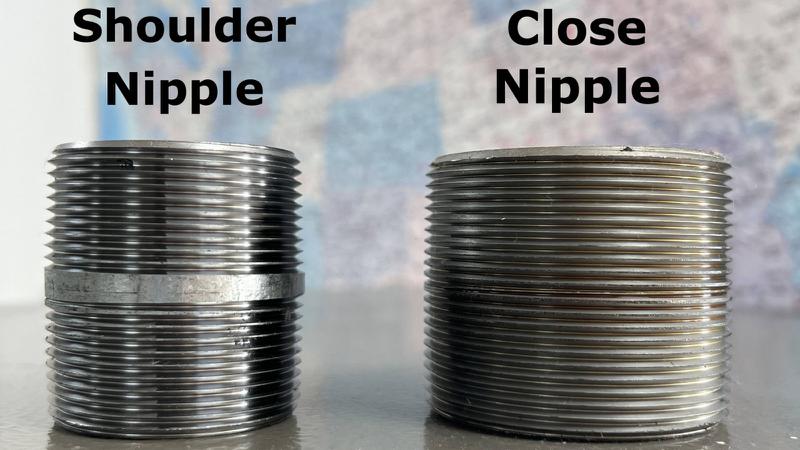
Closed nipples are all threads without an unthreaded pipe. Shoulder nipple, threaded on both ends with a particularly short unthreaded middle section. Types Characteristics Advantages Close Nipple Full Thread Tight Connection, use a small space Shoulder Nipple Smooth unthreaded section in the middle Easy to install and remove What is a Close Nipple? A closed nipple is a short pipe nipple with male threads along the entire length or nearly so. Close nipple almost none unthread part. Due to the thread covering of the closed nipple body, the plumbing connection is very tight. What is a Shoulder Nipple? The shoulder nipple has a very short, unthreaded section in the middle, with two threads on each end. Sometimes called a short nipple, you can clearly see a smooth band between the threads. Material Carbon steel Galvanized Coating Black Carbon Steel (oil treatment) Stainless Steel 304, 304L, 316, 316L Sizes Nominal Diameter: 1/8″ – 6 ” pipe nipples Length: The shoulder nipple and the close nipple are commonly short. Thread Standard: NPT, BSPT, BSPP Contact Us Hebei SANVO is a manufacturer of pipe fittings in China. We have a factory in China, which ensures the quality and stable output of plumbing fittings for global customers. We offer a range of packaging options, including boxed packages, and ensure the shortest delivery times. We welcome bulk orders, distributors, and wholesale buyers. Whether you are looking for carbon steel, galvanized, or stainless steel pipe fittings, we can provide for your needs.
Stainless Steel Ball Valves VS Brass Ball Valves
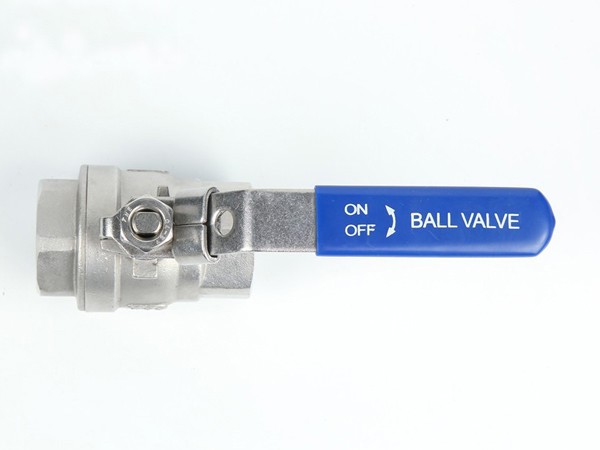
Brass is a copper alloy with a mixture of copper and zinc, and occasionally other metals. Stainless steel is an iron alloy mixed with chromium and nickel. While a more expensive option than brass, steel is a very durable, resilient metal. Steel is also able to work in more temperatures than brass and tends to last longer. Both stainless steel ball valve and brass ball valve are corrosion resistant, but stainless steel ball valves are the best options for high pressure and temperature situations. Ball Valves are a very popular product used in the Plumbing industry. They can stop the flow of water coming through the line. There are 2 main material types for metal Ball Valves. Brass and Stainless Steel. With the growing popularity of stainless fittings in non-industrial applications, Stainless Steel Ball Valves continue to gain more attention. 1. What Are Stainless Steel Ball Valves? The stainless steel ball valve can be closed tightly with only a 90-degree rotation and a small torque. The completely equal internal cavity of the valve provides a straight flow channel with little resistance for the medium. The main feature of the ball valve is its compact structure, easy to operate and maintain. The stainless steel ball valve can be used to control the flow of various types of fluids such as air, water, steam, various corrosive media, mud, oil, liquid metal, and radioactive media. The ball valve body can be integral or combined. This type of valve should generally be installed horizontally in the pipeline. The two most commonly used materials for stainless steel ball valves are 304 and 316. 2. What Are Brass Ball Valves? Brass ball valves are some of the most common types that you will utilize in plumbing, water well, etc. They are fairly easy to work with and install, and suit many applications where corrosion resistance is not a big issue. Brass ball valves are easy to work with and install. By easy to work with, I mean that brass as a material is softer than others (like stainless steel), this makes sealing them easier. Also due to the popularity of brass valves, the products that are used for sealing them are very readily available. When sealing other types of metals, you often need a specific pipe tape or thread sealant. Not that these are impossible to find, but you are more apt to find brass sealing products easier than others. 3. Applications For Stainless Steel Ball Valves Because stainless steel ball valves are resistant to corrosion, high temperature, and high pressure, they are widely used in industrial, manufacturing, construction, and other pipelines. Here are a few common application areas of stainless steel ball valves: Petroleum Refining It is a great example of a job that only stainless steel ball valves can do. Crude petroleum can contain water, carbon dioxide, sulfur, and all kinds of microorganisms. These make it a very corrosive substance. It will slowly break down metal over time, so you must get valves and pipes that will be able to withstand it for the longest amount of time. Stainless steel ball valves will hold up longer than other materials and because stainless steel ball valves are more resistant to corrosion, so they are the obvious choice. Marine Operations Some applications take place in or near seawater, such as desalination. Marine environments are corrosive and harmful to all types of materials, but because they involve water, they affect metals most of all. In these types of applications, many like to use plastic ball valves that may have better resistance to water and harsh chemicals than most metals. The problem with this is that plastic valves lack the ability to perform under high pressures and extreme temperatures. Stainless steel ball valves handle intense conditions with ease. And with the proper maintenance, a stainless ball valve can have a long lifespan around seawater. Brewing Systems Stainless steel ball valves are used in just about every brewery. Most commonly located on the kettle, stainless ball valves allow the user to control liquid flow during transfers. The reason stainless steel is necessary is it comes in direct contact with wort, the liquid extracted during the mashing process when brewing beer or whisky. This is a corrosive liquid substance that would wear down valves made of iron. Since ball valves of other materials (such as brass ball valves) can’t handle the temperatures encountered in brewing, stainless steel ball valves are the best option. 4. Applications For Brass Ball Valves Brass ball valves can be used in a wide range of applications. Most of the time, brass is a great option. When it comes to potable water applications, No-Lead Brass is a great option unless that water has corrosive properties to it, like seawater(high salt content). In that case, another material like stainless would work better. Because of the cost of No-Lead Brass, other materials like stainless, which is also No-Lead, have become more possible options. Brass ball valves are used in residential and commercial plumbing, water well, HVAC, and many other applications. Basically, as long as there are no high corrosive properties in what is going through the valves, generally speaking, brass is a great material to utilize. 5. Difference Between Stainless Steel Ball Valves And Brass Ball Valves Material: The brass ball valve is a copper alloy with copper and zinc occasionally mixed with other metals, while the stainless steel ball valve is an iron alloy of chromium and nickel. Cost: When the No-Lead laws started coming into effect in many States and Provinces in North America, No-Lead Brass grew in popularity and the rise of No-Lead Brass pricing. The price of stainless steel ball valves is higher than that of leaded brass ball valves, but the price of lead-free brass ball valves is not much different. It is a good option of using No-Lead brass ball valves on non-potable water applications and this can save you a lot of money. FDA Approval: The FDA does not approve of brass ball valves unless they are certified lead-free, making
Comparing Stainless Steel Fittings to Other Materials
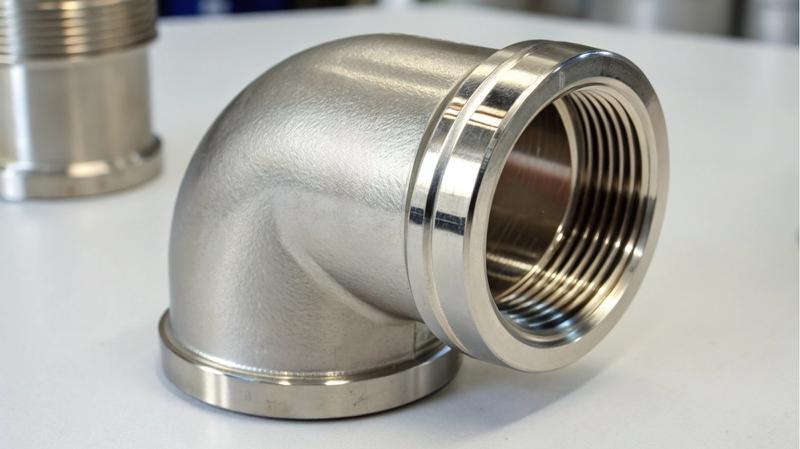
Choosing the right material for your piping system’s fittings is a critical decision that impacts its performance, lifespan, and overall cost. With numerous options available, including galvanized steel, copper, and PVC, understanding the strengths and weaknesses of each is essential. This article provides a detailed comparison, focusing on stainless steel fittings and how they compare to other common materials, helping you determine the best fit for your needs. What Are Stainless Steel Pipe Fittings? Stainless steel pipe fittings, also commonly referred to as SS pipe fittings or simply SS fittings, are components used to connect, control, or adapt sections of stainless steel pipes. They are primarily made from a steel alloy containing a minimum of 10.5% chromium, which sets them apart in their composition. Its remarkable resistance to corrosion and staining is attributed to its chromium content, hence the name “stainless.” These fittings are integral parts of SS pipes and fitting systems used across various industries. Common types include elbows, tees, reducers, couplings, caps, and stainless steel pipe connectors. Why Material Choice Matters for Pipe Fittings The material for your choice of pipe fittings, your project’s success, and longevity have significant implications. Understanding the key factors involved is crucial for making an informed decision when comparing materials like stainless steel plumbing fittings to other options. Application Considerations What substance will be transported through the pipes? Different materials are suited for carrying water (potable or non-potable), chemicals, gases, food products, or waste. The nature of the fluid dictates the required chemical resistance of the fittings. Environmental Factors Where will the piping system be located? Exposure to moisture, corrosive chemicals in the atmosphere or soil, extreme temperatures, or UV light can significantly impact the lifespan and performance of the fittings. Pressure and Temperature Requirements Every system operates under specific pressure and temperature ranges. The chosen fitting material must safely withstand these conditions without deforming, cracking, or failing. Lifespan and Maintenance How long is the system expected to function without major issues? Some materials offer a much longer service life with minimal maintenance than others, leading to lower long-term costs. Cost Implications Consider the initial purchase price of the fittings and the long-term costs, including installation, maintenance, potential repairs, and eventual replacement. A lower initial cost doesn’t always mean it’s the most economical choice over the system’s lifetime. Installation Methods Different materials require different joining methods (e.g., threading, welding, soldering, gluing). The complexity and cost of installation can vary significantly depending on the material chosen. Stainless Steel vs. Galvanized Steel Fittings Galvanized steel fittings are corrosion-resistant steel fittings coated with a layer of zinc. They are often used in non-potable water lines and structural applications. Corrosion Resistance Comparison Stainless steel offers superior, inherent corrosion resistance due to its chromium content, which forms a passive protective layer. Galvanized steel relies on a zinc coating, which can degrade over time, especially in hot water or corrosive environments, leading to rust (red rust) once the steel is exposed. Stainless steel’s resistance is built into the material, providing more consistent long-term protection. Durability and Strength Both are strong, but stainless steel maintains its integrity better in corrosive conditions over the long term. Stainless steel is generally more resistant to abrasion and mechanical damage than galvanized steel once the zinc coating on galvanized steel is compromised. Temperature Handling Stainless steel generally withstands significantly higher temperatures than galvanized steel, making it suitable for more demanding industrial processes. Cost Differences Galvanized fittings typically have a lower initial cost per unit than stainless steel fittings. However, the stainless steel’s longer lifespan and lower maintenance needs can make it more cost-effective over the entire project duration, especially in corrosive environments. Typical Applications Stainless steel is preferred for corrosive environments, high temperatures, and applications requiring hygiene (like food processing, chemical handling). Galvanized is suitable for less demanding, non-corrosive applications like fencing, handrails, and some non-potable water lines. Stainless Steel vs. Copper Fittings Copper fittings are widely used in residential and commercial plumbing, particularly for potable water and HVAC systems. Comparing Corrosion Resistance Copper has good corrosion resistance, forming a protective patina. However, it can be susceptible to corrosion from certain water chemistries (e.g., acidic water) or electrolysis. Stainless steel offers broader chemical resistance and is less affected by variations in water chemistry, providing more reliable performance in diverse water conditions. Strength and Pressure Ratings Stainless steel is significantly stronger and more resistant to mechanical damage and higher pressures than copper. This makes stainless steel the preferred choice for high-pressure industrial applications. Temperature Capabilities Both handle a range of temperatures, but stainless steel is often preferred for very high-temperature industrial applications where copper’s strength may decrease. Installation Differences Copper is a common plumbing material typically joined by soldering or brazing. Stainless steel fittings are often threaded or require welding, which can be more complex, time-consuming, and may require specialized equipment and expertise compared to soldering copper. Cost Comparison Copper prices can fluctuate but are generally comparable to or slightly less than stainless steel, depending on the grade, size, and market conditions. For large-scale industrial projects, stainless steel’s long-term benefits can justify the potentially higher initial cost. Where They Are Used Copper is traditional for potable water distribution in buildings. Stainless steel is used in potable water, in some regions for industrial, chemical, high-pressure, high-temperature, and hygienic applications, and copper is unsuitable. Stainless Steel vs. PVC Fittings PVC and other plastic fittings are lightweight, inexpensive, and easy to install, commonly used for drainage, vent, and some lower-pressure water systems. Resistance to Corrosion and Chemicals PVC is highly resistant to many chemicals (acids, bases) but is susceptible to solvents and has limitations with temperature. Stainless steel offers broader chemical resistance and is unaffected by solvents, though specific SS grades are needed for certain aggressive chemicals. Stainless steel maintains its integrity across a wider range of chemical exposures. Strength and Durability Stainless steel is vastly superior in mechanical strength, pressure resistance, and impact resistance. PVC is brittle under certain conditions and has low pressure and temperature limits,
Stainless Steel Hex Nipple for Food, Pharma & Chemical Systems
Introduction In food processing, pharmaceutical manufacturing, and chemical handling facilities, a single wrong-fitting material can trigger a product recall, a regulatory shutdown, or months of accelerated corrosion-driven maintenance. The stainless steel hex nipple — compact, threaded on both ends with a wrench-flat hex body — sits at almost every instrument tap, sanitary branch connection, and chemical injection point in these systems. The procurement challenge is not finding suppliers. It is knowing which grade (304 vs. 316), which thread standard (NPT vs. BSP), and which surface finish (Ra value) is actually required for your service conditions — and sourcing it at a lead time that does not delay commissioning. This guide covers: fitting selection by application, verified material specifications, realistic quantity estimates by project scale, and cost reduction strategies for buyers in North America, Europe, Southeast Asia, and the Middle East — the primary markets for hygienic and corrosion-resistant stainless steel hex nipples. Which Fittings Are Used in Hygienic & Corrosive Piping Systems Stainless steel hex nipples are one component in a broader threaded fitting system. Understanding how they interact with adjacent components helps avoid mismatched materials, thread incompatibilities, and grade inconsistencies within a single piping circuit. Fitting Type Primary Application Recommended Material Key Engineering Reason Stainless Steel Hex Nipple Instrument taps, branch connections, tight-access manifolds, pump inlet/outlet SS 316L / SS 304 316L for chloride or CIP chemical exposure; hex body enables torque without damaging adjacent threads SS Pipe Coupling Inline joining of two pipe sections; repair connections in corrosive circuits SS 316L Consistent bore ID critical for flow; 316L resists pitting from caustic and acid cleaning agents SS Hex Bushing Female-to-male thread reduction in existing assemblies SS 304 / SS 316L Must grade-match adjacent fittings; galvanic corrosion if mixed with carbon steel SS Ball Valve (Threaded End) Isolation at instrument taps and sample points in hygienic circuits SS 316 body, SS 316L trim 316L trim resists chloride attack; full-bore design maintains piggability and CIP effectiveness SS Street Elbow Direction change at instrument nozzles requiring wrench access in confined spaces SS 316L Hex flats are critical where a standard elbow cannot be torqued without slipping on adjacent components Note: In pharmaceutical and biotech piping (ASME BPE systems), all threaded fittings, including hex nipples, must meet surface finish requirements (SF1 to SF4 classification). Confirm the applicable finish category with your validation engineer before procurement. Project Scale & Quantity Reference Guide The following estimates are based on typical instrument density and branch connection counts across common facility types. Use as a procurement planning baseline; adjust from your actual P&ID instrument takeoff. Project Scale Typical Facility Type SS Hex Nipple Qty Related SS Fittings Selection Notes Small (Single process unit) Pilot plant, small brewery, lab skid, single CIP circuit 20–120 pcs 10–40 couplings 5–20 bushings Specify 316L throughout; verify thread standard (NPT vs BSP) against local valve inventory; order 15% overage for commissioning Medium (Multi-unit facility) Food processing line, pharmaceutical suite, chemical batch plant 120–600 pcs 40–200 couplings 20–80 reducing nipples Segregate grades by zone (316L in CIP/product contact, 304 in utilities); standardize on 2-3 lengths per size; require MTRs on all 316L items Large (Full plant / greenfield) Beverage plant, API facility, petrochemical unit, offshore platform 600–4,000+ pcs 200–1,200+ couplings 80–400+ specialty nipples Issue blanket PO with phased releases; require heat-traceable MTRs; consolidate thread standards; include 5-8% spare parts inventory in order Pharmaceutical and biotech note: Add 20-25% to quantity estimates to account for validation spares and cGMP spare parts inventory requirements. How to Reduce Costs on SS Hex Nipples Without Compromising Compliance 1. Specify 316L Only Where the Chemistry Demands It SS 316L carries a 30-50% unit price premium over SS 304. In facilities where only a portion of lines carry chloride-rich or acidic media, blanket 316L specification is common over-engineering. Build a fluid service matrix: 304 is adequate for utility steam, instrument air, neutral water, and mild services. Use 316L for CIP circuits, brine service, acid media, and any line where chloride exceeds 100 ppm at temperatures above 50°C. A well-segregated specification typically reduces total fitting material cost by 20-35% compared to full-facility 316L. 2. Standardize Nipple Lengths Across the Project Projects that allow per-drawing custom nipple lengths routinely end up with 6-8 different lengths per pipe size. Consolidating to close nipple, 1.5″, and 3″ for each bore diameter reduces SKUs from 30+ to 9, simplifies inventory control, and concentrates volume per SKU to reach price-break thresholds. Over 90% of instrument connection requirements can be met with three standard lengths. 3. Consolidate Orders Across Project Phases Phased procurement — ordering fittings as each construction phase is released — typically means 3-4 separate spot-price purchase orders. Issuing a single blanket PO for 70-80% of projected quantities with phased delivery releases typically achieves 12-20% unit price reduction, guarantees lead time, and maintains heat traceability continuity. For FDA or EU GMP regulated facilities, traceability continuity across the project is a compliance requirement, not just a preference. 4. Apply Electropolish Only Where Surface Finish Is Specified Electropolished (EP) hex nipples with Ra <= 0.8 micron cost 40-60% more than mill-finish equivalents. EP finish is required only on product-contact and CIP-contact fittings — typically 30-50% of total threaded fitting count. Utility lines (compressed air, cooling water, non-product-contact clean steam) do not require EP. Correct surface finish zoning typically reduces average fitting cost by 15-25% facility-wide without any compliance compromise. Material Selection Quick-Reference: SS Hex Nipples by Service Condition Service Condition Media / Temp / Pressure Recommended Grade Avoid Reason Food & beverage product contact Mild acids, dairy, sugars, < 140°C, < 10 bar SS 316L, Ra <= 0.8 um (EP) SS 304, carbon steel 304 susceptible to Cl SCC in CIP; EP finish prevents biofilm accumulation Pharmaceutical/biotech (cGMP) WFI, process water, API solutions, < 121°C SS 316L, ASME BPE SF1-SF4 SS 304, non-traceable material FDA/EMA requires traceability and validated surface finish; 316L is mandatory for WFI service Chemical injection (acid service) HCl, H2SO4, HNO3, < 60°C, < 20 bar SS 316L or Duplex 2205
Stainless Steel Pipe Nipple Size Chart
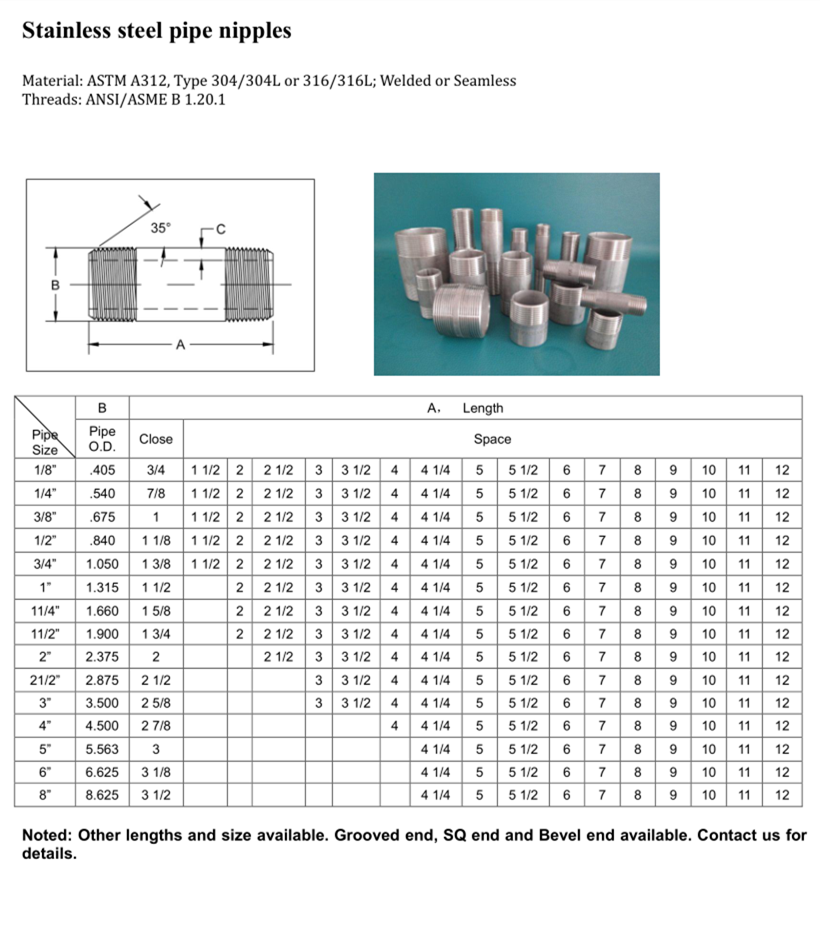
Hebei Sanvo stainless steel pipe nipples are made of high-quality 304/316 stainless steel pipes and have different standard sizes, include NPT, DIN, BSPT. All in all, our ss pipe nipples will meet your needs. The Stainless Steel Pipe Nipple Size Chart Stainless Pipe Nipples Types Our stainless steel nipples are used in the connection of various pipelines in the industry, chemical industry, and daily life. They have the characteristics of firm connection and convenient use. Stainless steel pipe nipples include TBE pipe nipple/barrel nipple, TOE pipe nipple/welding nipple, close nipple/running nipple, etc. In these steel pipe nipples, the thread length, tube length, and pitch length can all be made according to customer requirements. The ss pipe nipples can be customized according to drawings or samples, regardless of length or thickness. Hebei Sanvo is a stainless steel pipe nipple manufacturer and supplier in China, and stocks a full line of stainless steel threaded pipe nipples. In addition to schedule 40 standard and schedule 80 extra heavy stainless steel nipples, we also offer hex nipples and hose nipples – all available in 304 stainless steel and 316 stainless steel. Our pipe nipple with threads of National Pipe Threads (NPT), British Standard Pipe Threads (BSPT), as well as sourcing of Metric Threads upon request. Stainless Steel TBE Pipe Nipple Stainless Steel TOE Pipe Nipple Stainless Steel Close Nipple Stainless Steel Hex Nipple Stainless Steel Hose Nipple At the same time, our company SANVO is also one of the quality steel pipes and fittings manufacturers and suppliers in China. In addition to the production of stainless steel pipe nipples, it also produces carbon steel and stainless steel pipes, carbon steel and stainless steel pipe fittings, carbon steel and stainless steel pipe flanges, and stainless steel ball valves, including seamless steel pipes, welded steel pipes, galvanized steel pipes, black steel pipes, galvanized pipe nipple/coupling, black pipe nipple/coupling, and stainless steel threaded elbow, stainless steel threaded tee, stainless steel pipe cap, stainless steel pipe plug, stainless steel pipe union, stainless steel lock nut, stainless steel hex bushing, and stainless steel reducer coupling, etc., these steel pipes and fittings can be customized according to customer needs, welcome overseas customers to come to consult, and we look forward to cooperating with you.