
Carbon Steel Pipe vs Stainless Steel Pipe
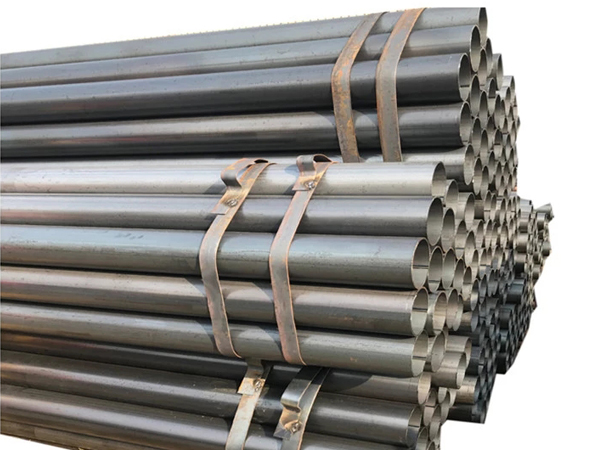
What Is Carbon Steel Pipe? Carbon steel pipe is made primarily of iron and carbon. It is one of the most widely used piping materials in the world. Carbon steel pipe is strong, affordable, and easy to weld. However, it requires protective coatings to resist corrosion. Common applications include oil and gas pipelines, structural frameworks, and water supply systems. It performs well under high pressure and temperature. What Is Stainless Steel Pipe? Stainless steel pipe contains iron, carbon, and at least 10.5% chromium. The chromium creates a passive oxide layer. This layer protects the pipe from rust and corrosion without additional coatings. Stainless steel pipe is widely used in food processing, pharmaceuticals, marine environments, and chemical plants. Grade 304 and Grade 316 are the most common choices. Key Differences: Carbon Steel vs Stainless Steel Pipe Understanding the differences helps you match the right pipe to your needs. Corrosion resistance: Stainless steel offers far superior corrosion resistance. Carbon steel corrodes quickly without protective coatings. Cost: Carbon steel pipe is significantly cheaper. Stainless steel pipe can cost 3–5 times more per foot. Strength: Both materials are strong. Carbon steel has higher tensile strength in most grades. Stainless steel maintains strength at high temperatures. Weldability: Carbon steel is easier and cheaper to weld. Stainless steel requires skilled welders and special equipment. Appearance: Stainless steel has a clean, polished finish. Carbon steel has a darker, rougher surface. Weight: Both materials have similar density. Stainless steel is slightly heavier in equivalent sizes. When to Choose Carbon Steel Pipe Carbon steel pipe is the right choice when budget is a primary concern. It is ideal for oil and gas transmission, construction, and industrial applications where corrosion can be managed with coatings or galvanizing. It also works well in dry or low-humidity environments. When to Choose Stainless Steel Pipe Stainless steel pipe is the better option in corrosive environments. Use it where water, chemicals, or food products flow through the pipe. It is also preferred when hygiene standards are critical. Furthermore, it performs better in high-temperature and high-pressure applications over long periods. Cost Comparison Carbon steel pipe typically costs $0.50–$3.00 per foot for standard sizes. Stainless steel pipe ranges from $2.00–$15.00 per foot depending on grade and size. Therefore, carbon steel is generally the more economical choice for large-scale projects. However, stainless steel may cost less over time due to lower maintenance needs. Standards and Grades Carbon steel pipe commonly follows ASTM A53, A106, and API 5L standards. Stainless steel pipe follows ASTM A312 for seamless and welded types. Both materials are available in a wide range of schedules, from Schedule 10 to Schedule 160. Conclusion Carbon steel pipe vs stainless steel pipe is ultimately a question of environment and budget. Choose carbon steel for cost-sensitive projects in controlled environments. Choose stainless steel where corrosion resistance, hygiene, or longevity is critical. SANVO manufactures both types to international standards with custom sizes available. Contact us today for a free sample or competitive quote.
China Pipe Fittings Shipping Costs & Delivery Guide
Shipping goods from China to the United States, India, Singapore, and other countries is a critical part of international trade. However, many buyers may not fully understand the costs, timelines, and challenges involved in cross-border shipping. How much does it really cost to ship from China to the destination? What factors influence these costs? And most importantly, how can you minimize your shipping expenses while ensuring timely delivery? In this guide, we will break down the key elements that affect shipping costs from China to abroad, including: Different shipping methods (air, sea, express, FCL, LCL) Additional fees such as customs, insurance, and port charges Practical tips to reduce overall logistics expenses Whether you are shipping a small parcel or a full container load, this article will help you make informed decisions and avoid unexpected costs. Port of Export Port of Destination Ship Method Delivery Time Reference Shipping Fee(20′ / 40′ Container) Tianjin/Shanghai L.A. /Long Beach, US-West Coast FCL 15–20 Day $2,500–$3,500 / $3,500–$4,200 Tianjin/Shanghai New York / New York Port, US-East Coast FCL 25–30 Day $3,000–$4,500 / $4,000–$5,500 Shanghai/Ningbo Rotterdam / Antwerp,Europe FCL 30–35 Day $2,500–$4,500 / $3,500–$5,500 Qingdao/Tianjin Dubai / Port of Dubai, the Middle East FCL 20–25 Day $2,500–$4,000 / $3,000–$4,500 Shanghai/Shenzhen Singapore / Ho Chi Minh City, Southeast Asia FCL 5–10 Day $500–$1,000 / $800–$1,500 Tianjin/Shanghai St.Paul / Paranagua, Brazil, South America FCL 35–45 Day $3,500–$5,000 / $4,500–$6,000 Notes & Additional Information FCL (Full Container Load): The above rates are based on 20’ and 40’ containers, which are ideal for bulk pipe fittings exports. Cost Fluctuations: Rates may vary depending on peak season, fuel prices, and vessel availability. Transit Time: Estimated days shown are for sea voyage only and do not include loading, customs clearance, or inland delivery. LCL (Less than Container Load): Available for smaller shipments; rates depend on cargo volume and weight. Additional Charges: Destination port fees, customs duties, VAT, and insurance may apply. We can assist customers in arranging these services if needed.
Is China Leading the World in Stainless Steel Manufacturing?
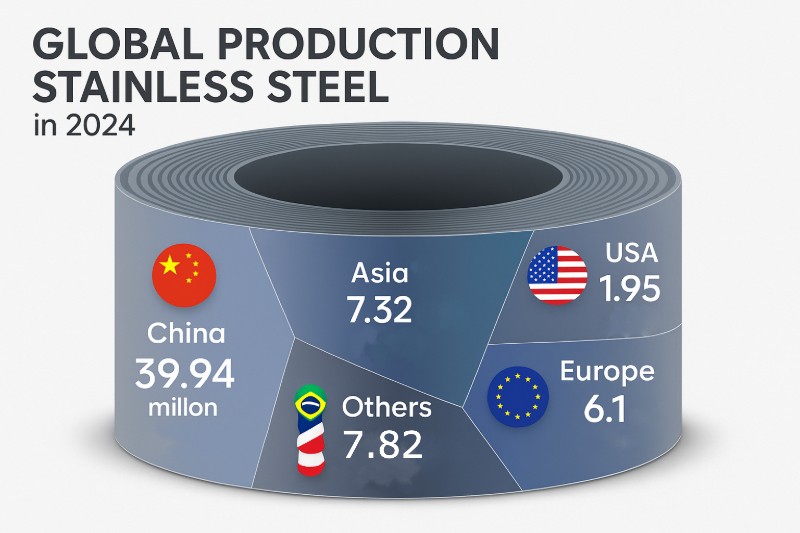
China: World’s Top Stainless Steel Producer China’s position as the world’s largest producer of stainless steel in 2005 has continued to increase its share in the global stainless steel market. In 2023, the World Stainless Association published data about Global stainless steel statistics. The global total amount of stainless steel is 58.444 million tons. China produced over 31 million metric tons of stainless steel, surpassing India, Indonesia (4.2 million tons), and Europe (5.9 million tons). In 2024, China is the leading manufacturer of stainless steel, producing 39.94 million tons, which accounts for 62.98% of the global output. For the past ten years, China’s welding materials industry has remained the largest in the world, accounting for over 50% of global production and sales. This dominance is driven by: Large-scale industrial capacity Strong domestic demand Vertical integration from raw materials to finished products China Fittings: Cheap and Efficient Price advantages of sources Complete production link China is the greatest country for stainless steel production. China possesses an integrated industrial chain from raw materials to finished products. Higher production rate and lower cost China still has cost benefits compared with Europe, America, and Japan. Higher processing efficiency, the latest modernization facility lowers the production cost. Refund tax policy China has implemented an export tax refund policy for stainless steel pipe fittings, typically ranging from 9% to 13%, to help reduce the export costs for businesses. Global Stainless Steel Fittings Price Comparison Country/Region Price Level (Approx.) Advantages or Disadvantages China ⭐ Low Cost advantage, fast lead time, wide product range India Medium to Low Low cost, but slightly lower product quality than China Vietnam / Thailand Medium Cheaper in some low-end products, but with a limited product range EU / Japan / Korea Significantly High High quality, but high labor, environmental, and energy costs USA Very High High domestic manufacturing costs, heavily reliant on imports China’s stainless steel plumbing fittings provide clear price advantages compared to those of other countries, along with excellent service. It is gradually expanding its share in the mid-to-high-end market. Our Stainless Steel Fittings Series Our company, SANVO, has shipped over 2 million threaded stainless steel fittings to clients. Using grade 304 and 316 stainless steel, we supply: Pipe nipples: Hex nipples, close nipples, long threaded nipples; pipe couplings/socket: Full threaded coupling, half coupling, welding outlets; flanges, valves; More threaded stainless steel fittings: bushings, pipe tees, elbow pipes, etc. Sizes from 1/8″ to 12″ NPT or BSP Packaging for global transit On-time delivery Compliance with ASTM, DIN, and ISO standards FAQs Q1: Is Chinese stainless steel reliable for industrial use?Yes. Chinese stainless steel meets international quality standards. Q2: What grades of stainless steel are commonly produced in China?304, 304L, 316, 316L stainless steels. Q3: Can I get custom fittings from Chinese manufacturers?Absolutely. Our factories offer customized service according to drawings and special sizes. Contact us now for a free quote or sample.
Several classification methods for pipe nipples
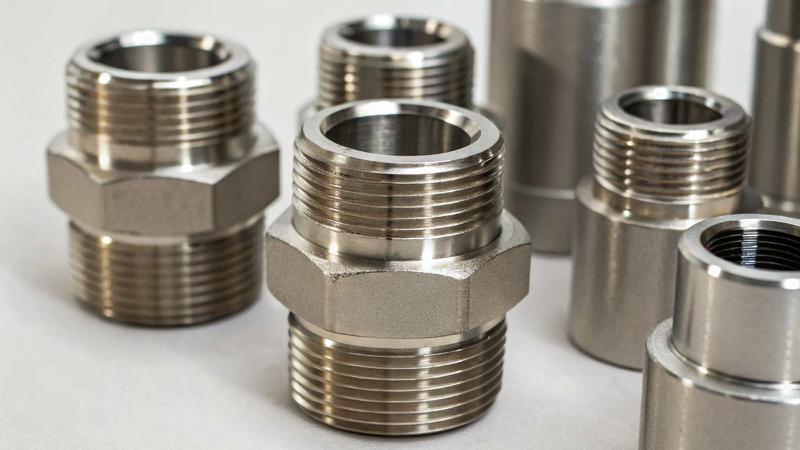
1. Introduction Pipe nipples are small but vital components in piping systems to connect, extend, or adapt pipelines and fittings. Pipe nipples whose versatility and functionality make them indispensable in industries ranging from construction and manufacturing to chemical processing and plumbing. This text classification of pipe nipples is based on material, design, and application, emphasizing the distinct properties and benefits. Understanding these distinctions, select the ideal pipe nipples for your specific project requirements, ensuring the most performance, durability, and cost-efficiency. 2. Classify by Nipple Material Stainless Steel Pipe Nipple The stainless steel nipple which material is 304 or 316 stainless steel. High corrosion resistance, withstand harsh environments. Stainless steel nipple has high strength, oxidation resistance, and long service life. Smooth surfaces and excellent hygienic performance make it can be in the food and medicine industry. Carbon Steel Pipe Nipple Made of ASTM A106 or ASTM A53 carbon steel. High strength and can withstand high-pressure application. A lower price is more suitable for that low-budget project. Carbon steel nipples can be with welding or mechanical connection and flexible installation. But they are easier to rust, and anti-corrosion is poor. Note: Two types of carbon steel nipples usually include black and galvanized nipples. We will introduce them in more detail in the following. You can click the blue font and directly skip to the relevant description. Galvanized Steel Pipe Nipple A galvanized nipple is a cast iron or carbon steel pipe after the surface is hot-dipped. A galvanized nipple is more anti-rust than a general carbon steel nipple. Economical price, cost-effective. Galvanized steel nipple service life is longer than general carbon steel and more suitable for outdoor applications. Black Pipe Nipple Black steel nipple covers a black oxide surface, which offers short-term protection to prevent rust when transporting and storing. Lower cost. Suitable for high-pressure pipeline applications, black pipe nipples can withstand big-gish mechanical stress. Black steel pipe nipples can be welded, thread-processed, and cut easily. Black nipples in moisture, acid, alkali, or salt application over a long time may increase the possibility of rust. Compared Summary Material Corrosion resistance Pressure resistance Cost Stainless steel High High Relatively high Galvanized steel Medium Medium Relatively low Black carbon steel Low High Low 3. Classification by design Close Nipple The closed nipple threaded connection part is longer, and the middle unthreaded part is shorter and more suitable for compact pipe connection. The close nipple installs effortlessly. Long Nipple Longer pipe, offer extra pipeline length, and reduce the used quantity of fittings. Hose Nipple The hose nipple is a flexible pipe usually made of brass, stainless steel, and carbon steel. Hose nipple fittings are compatible with all tube materials and sizes, are installed easily, and withstand pressure and temperature variation. Please note that improper installation may increase leakage risk lately. King Nipple A king nipple is usually longer than a hose nipple. Withstand industrial use for heavy-duty applications and high-pressure systems due to heavy-duty construction, and the design prevents tube slippage. King nipples ensure precise installation to avoid leaks. Galvanized steel king nipple may rust in extreme environments. Reducer Nipple Reducing nipples have different diameters on the two ends, usually connected to varisized pipelines or fittings. Reducer nipples solve the connection problems between different pipe specifications. Welded Nipple The welded nipple typically features one non-threaded section, which requires welding during installation to ensure a secure seal. Welded nipples have strong anti-pressure properties, making them suitable for high-pressure and high-temperature environments. Hex Nipple With the hex design in the middle part, you can easily install and move with a wrench and other tools. Hex nipples have two common types: one type has the same diameter at both ends for connecting to pipes or threaded pipe fittings, and another one which one end connects to a pipe or threaded pipe fitting, and the other connects to a hose pipe. Compared Summary Type Features Advantages Close Nipple Shorter Tight connection Long Nipple Longer, extended pipe Reduce the use of pipe fittings Hose Nipple Barbed end, threaded connection Easy installation, cost-effective King Nipple Thick walls, durable construction Handles high-pressure, long-lasting Reducer Nipple Different diameters at both ends Connect pipes of different specifications Welded Nipple One-end threadless design Good sealing, high-pressure resistance Hex Nipple Middle hexagonal design Easy to install and disassemble 4. Conclusion The pipe nipple is a crucial component in the piping system that can connect and extend various types and sizes of pipes and fittings. Steel pipe nipples have a lot of different product types according to material, design, and application to select the most suitable one to meet special needs. Stainless steel fittings are ideal for high-corrosion environments. Carbon steel and galvanized steel are the most popular in outdoor applications. Understand the characteristics, advantages, and limits of every nipple pipe fitting, and ensure you can purchase the best one for your project from us.
CNC Thread Machining for Pipe Fittings
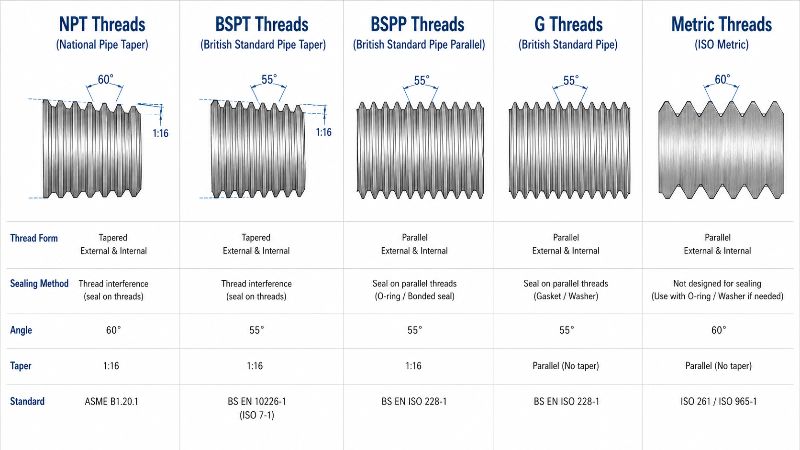
CNC Thread Machining for Industrial Pipe Fittings Thread accuracy directly affects sealing performance, installation efficiency, and long-term reliability. For threaded fittings, precision threads are essential to ensure compatibility with threaded standards. Today, most Chinese manufacturers use CNC thread machining to produce threaded pipe fittings. This article explains how CNC threading works and why it matters. What Is CNC Thread Machining? It refers to the use of Computer Numerical Control (CNC) to cut or form threads with high precision. It operates according to programmed parameters to maintain stable thread dimensions and quality. For pipe nipples and couplings, CNC threading is commonly used for: NPT threads BSPT threads BSPP threads G threads Metric threads Typical threaded products include: Stainless steel pipe nipples Black steel pipe nipples Galvanized pipe nipples Threaded couplings Industrial threaded adapters Why CNC Thread Accuracy Matters Buyers are not only purchasing pipe fittings, but also reliability and installation safety. Poor thread machining can lead to: Leakage Improper sealing Difficult installation Cross-threading Failed pressure testing Product rejection on-site This is especially critical in: Gas pipelines Fire protection systems Hydraulic systems Steam systems Oil & chemical processing Accurate CNC threading helps ensure: Proper thread engagement Leak-free connections Smooth installation Consistent batch quality Compliance with international standards Common Thread Standards in Global Markets Different regions require different thread standards. NPT Threads NPT (National Pipe Thread) is widely used in the United States and Canada. Characteristics: Tapered thread Designed for sealing Standard: ASME B1.20.1 BSPT Threads BSPT (British Standard Pipe Taper) is common in Europe, the Middle East, Australia, and parts of Asia. Characteristics: Tapered thread Pressure sealing connection Standard: ISO 7-1 BSPP Threads BSPP uses parallel threads and often requires sealing washers or O-rings. Characteristics: Parallel thread Common in hydraulic systems Standard: ISO 228 Professional CNC machining allows these thread types with stable tolerances and accurate profiles. CNC Thread Machining Process A typical CNC threading production process for pipe nipples and couplings includes: 1. Raw Material Preparation Steel pipes or bars are selected according to customer specifications. Common materials include: ASTM A733 ASTM A106 Stainless Steel 304/316 Carbon steel Galvanized steel 2. Pipe Cutting Materials are cut to the required length using automatic cutting equipment. 3. CNC Thread Cutting CNC lathes machine the threads according to programmed dimensions and standards. Critical parameters include: Thread pitch Taper angle Thread depth Thread length Surface finish 4. Deburring & Cleaning Threads are cleaned to remove burrs and sharp edges. This improves: Assembly performance Surface quality Safety during installation 5. Thread Inspection Manufacturers use thread gauges to verify thread accuracy. Common inspections include: Go/No-Go gauge testing Visual inspection Dimensional checks Surface quality inspection 6. Surface Treatment Depending on product requirements: Black finish Hot-dip galvanizing Electro galvanizing Passivation Oil coating 7. Final Packaging Products are packed according to export requirements and customer standards. How Professional Manufacturers Control Thread Quality Reliable manufacturers implement strict CNC quality control systems. Thread Gauge Inspection Professional factories perform regular Go/No-Go gauge inspections to ensure thread compatibility. CNC Program Standardization Stable CNC programming reduces dimensional variations between production batches. Tool Maintenance Regular replacement of cutting tools helps maintain thread precision and surface quality. Batch Traceability Advanced factories maintain production records for: Material batches CNC parameters Inspection reports Production dates This improves consistency and quality management. Common CNC Thread Defects and How to Avoid Them Burrs on Threads Cause: Worn cutting tools Poor deburring process Solution: Tool maintenance Proper deburring procedures Incorrect Taper Cause: Incorrect CNC settings Calibration errors Solution: Precision programming Regular machine calibration Rough Thread Surface Cause: Improper cutting speed Tool wear Solution: Optimized machining parameters Carbide cutting tools Loose Thread Fit Cause: Incorrect tolerance control Solution: Accurate gauge inspection Standardized machining process Why Buyers Prefer CNC-Machined Pipe Nipples and Couplings Compared with traditional threading methods, CNC machining provides significant advantages. Feature Traditional Threading CNC Thread Machining Accuracy Operator dependent High precision Batch Consistency Moderate Excellent Production Speed Slower Faster Complex Threads Limited Flexible Quality Stability Variable Stable Export Standard Compliance More difficult Easier For industrial buyers, these advantages reduce installation problems and improve project reliability. Choosing a Reliable CNC Threaded Pipe Fitting Manufacturer When sourcing pipe nipples or couplings, buyers should evaluate: Production Capabilities CNC threading capacity Size range Material options Customization capability Quality Control Thread gauge inspection Pressure testing MTR documentation ISO certification Technical Experience Knowledge of NPT/BSPT standards Export experience Industrial application understanding Custom Manufacturing Support Professional suppliers should support: Custom lengths Special thread types Logo marking OEM packaging Non-standard dimensions Conclusion CNC thread machining plays a critical role in the quality of threaded pipe fittings. Accurate thread production improves: Sealing reliability Installation efficiency Product consistency Long-term durability CNC threading capability can significantly reduce project risks and improve supply reliability. CNC-machined threaded fittings are becoming the preferred solution for piping systems.
Common Sense Of Plumbing Fittings
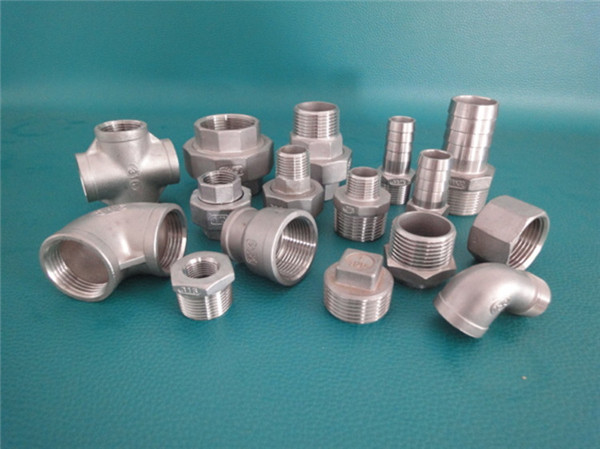
Understanding Plumbing Fittings 1. What are Plumbing Fittings? A fitting or adapter connects a straight pipe or tube section, accommodates different sizes or shapes, and regulates or measures fluid flow in pipe systems. These fittings are used in plumbing to manipulate the conveyance of water, gas, or liquid waste in domestic or commercial environments within a system of pipes or tubes. Fittings, especially uncommon types, demand money, time, materials, and tools for installation and play a crucial role in piping and plumbing systems. Valves are technically fittings, typically addressed separately. Plumbing fittings are essential in modern life and encompass water supply and drainage pipes, commonly abbreviated PPR pipes. 2. Importance of Plumbing Fittings in Domestic and Commercial Use Fittings are essential for transporting liquids by connecting and regulating the piping system in various environments. Water delivery In residential areas, pipe fittings to connect water pipes to achieve water supply and drainage functions. PPR fittings are commonly used in home water supply systems to link faucets, showers, and drains. Industrial facilities require larger diameter and high-pressure resistant pipe fittings to transport large amounts of water or cooling water. Flanges, valves, and elbow fittings are popular in these systems to ensure stable water supply and adjustable flow. Gas delivery In commercial and residential environments, gas pipeline systems require special pressure-resistant pipe fittings, such as brass or steel joints, to ensure safe gas transmission and flow control. For example, oxygen, hydrogen, or compressed air delivery requires exclusive materials and designed pipe fittings to ensure stable flow and leak prevention gas. Flanges and pressure-regulating valves are essential in such systems. Waste delivery Drainage systems require pipe fittings such as elbows, tees, and traps to ensure smooth drainage and prevent backflow or blockage. Cast iron and plastic pipe fittings are widely used in residential and commercial sewage systems. Industrial wastewater is often corrosive or hot, so pipe fittings of corrosion-resistant materials such as stainless steel or PVC are required. Valves and filters commonly manage and purify wastewater discharge. 3. Types of Plumbing Fittings Elbow There are usually two common angle choices of 90° and 45° to change the direction of the pipe. It is suitable for areas where the direction of the water flow is required. Tee Branch the main pipe into two branches or merge two branches into the main water pipe. In hot and cold water systems, tees direct water flow to ensure proper distribution to equipment and branches. Reducer Connect pipes with different pipe diameters to realize the transition from large caliber to small caliber. The pipe diameter for hot and cold water may need adjustment when connecting the device. The reducing connector can keep the water pressure stable. Flange It connects different material pipes or equipment mainly for easy disassembly and maintenance. Use in hot and cold water piping systems that require frequent maintenance, such as connections to pumps or filtration equipment. Ball Valve Rotating the ball to adjust the water flow on and off, good sealing, easy to operate. Pipeline inlet of hot and cold water pipes or the front end of the equipment for fast control water source. Coupling Connect two pipes to ensure continuity. Maintain the integrity of hot and cold pipes by using joints in long-distance piping arrangements. Trap Prevent odor reflux and maintain a certain water seal height. Commonly found under the water heater, wash basin drain, etc., to help isolate odors and prevent impurities from entering the main water pipe. Quick Coupling To achieve quick installation and disassembly of hot and cold water pipes. Flexible disassembly is required, especially in construction or temporary water use. Filter Filter impurities from water to protect pipes and equipment. Filters are often installed at the entrance of hot and cold water pipelines to ensure that the water quality entering the system is clean and to extend the service life of the equipment. Types of Plumbing Fittings 4. Drainage Cast Iron Pipe Fittings Drainage cast iron pipe fittings mainly include socket zigzag pipes, 90° elbows, 45°Y-shaped tees, 90°T-shaped tees, 90°TY-shaped tees, oblique crosses, positive crosses, TY-shaped reducing three Through, reducing cross, pipe clamp, T-shaped bottle mouth tee, 45°elbow, Y-shaped reducing tee, socket cleaning mouth, S-shaped trap, P-shaped trap, floor drain, etc. Explore the diverse range of joint pipe fittings available in various materials! Plastic joint pipe fittings stand out due to their popularity and practicality, making them an excellent choice for your needs. 5. Cast Iron Pipe Fittings for Water Supply Water supply cast iron pipe fittings of gray cast iron. The water supply and heating pipe fittings factory has a socket and flange type. Its use is similar to the malleable cast pipe. There are mainly the following types: cross pipe, T-shaped pipe (including Three-supported cross tube, three-pan cross tube, four-supported cross tube, four-pan cross tube, double-supported T-tube, double-pan T-tube, three-supported T-tube, three-pan T-tube, double-supported single-pan T-tube, single-supported double T-shaped tube), 90° elbow, 45° elbow, fork tube, B-shaped tube, fire hydrant tube, casing and so on. Materials in Plumbing Fittings-Variety Stainless Steel It exhibits corrosion resistance, withstands high temperatures, possesses high strength, and ensures an extended service life. It is ideal for hot and cold water systems and industrial piping that requires resistance to high pressure or temperature settings. It is crucial to carefully evaluate the increased costs, added weight, and stricter installation requirements. Copper Strong corrosion resistance, thermal conductivity, antibacterial properties, and is not easy to oxidize. Suitable for water supply, natural gas pipelines, and HVAC systems. It is expensive and may develop green rust in highly corrosive environments. Cast Iron Resistant to high temperatures and compressive strength, suitable for large drainage systems. It involves the discharge of industrial wastewater and large drainage systems, such as sewers. The material is considerable in weight and prone to corrosion, and it is inappropriate for long-term drinking water delivery. Galvanized Steel Galvanizing the surface of steel pipes to prevent corrosion is suitable for general cold water transportation. It was often in-home water supply systems but has decreased significantly over time