
Comparing 5 Different Types of Gas Piping
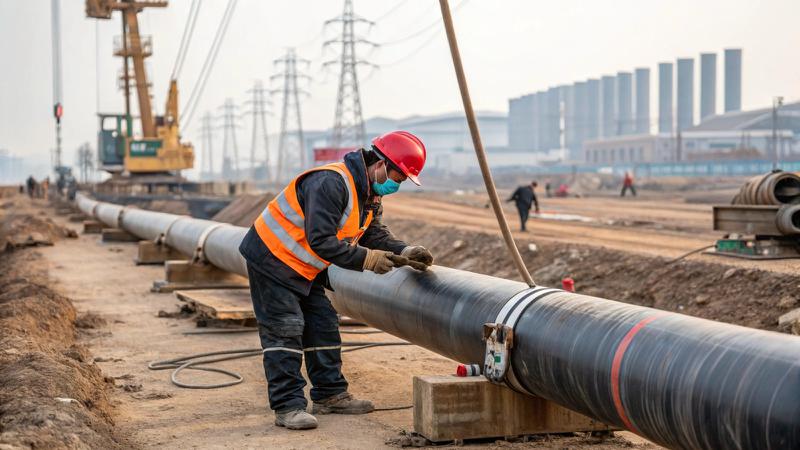
Types of Gas Piping Picking the right pipe for your gas line isn’t just about saving money — it’s a safety game-changer. Let’s break down the top materials pros use (and why they matter): Polyethylene (PE) PE pipes, especially high-density polyethylene (HDPE), are the superheroes of underground gas lines. Why? They’re built to last a century or more, won’t rot or corrode from nasty stuff in the soil, and they’re way cheaper to install than metal pipes. Plus, their joints are fused together like melted plastic glue, so leaks? Almost zero chance. Black Iron This old-school favorite is like the workhorse of indoor gas lines. It’s cheap, forms airtight seals, and can handle high pressure like a champ. But here’s the catch: it rusts faster than a bike left in the rain. If you use it, plan on regular checkups to catch corrosion early. Corrugated Stainless Steel Tubing (CSST) CSST is super flexible, so it snakes around obstacles without needing a million joints (fewer joints = fewer leaks). It’s coated for corrosion protection but requires proper grounding to prevent electrical hazards. Copper Copper’s the fancy option: sleek, rust-proof, and perfect for tight indoor spaces. But gas companies don’t always love it. Some places ban it because gas additives can wear it down over time, and it’s pricier than black iron. Still, plumbers adore it for quick retrofits — no welding required. Hot-Dip Galvanized Steel The pipes get dunked in molten zinc, giving them a rust-proof armor that laughs at harsh weather and chemicals. They’re built to last 50+ years with zero maintenance, making them perfect for outdoor or high-pressure setups. Gas Line Installation Costs Costs vary by material, labor, and project complexity: PE: $1–$2 per linear foot. Black iron: $5–$9 per linear foot. CSST: $2–$5 per linear foot. Labor: $45–$200/hour, depending on expertise. Permits/Inspections: $50–$300. The total average cost is $260–$1,350 per run, with underground installations often exceeding $1,000 due to trenching. What Kind of Gas Pipe Should You Use? PE and HDPE pipes are the go-to choice for underground gas lines because they don’t rust and last a long time-often 50 years or more. They’re super flexible, so they can bend around rocks and roots without needing a bunch of extra joints, which means fewer chances for leaks. CSST (Corrugated Stainless Steel Tubing) is mainly used indoors for gas piping in homes and buildings. Its flexibility lets it easily snake through walls, ceilings, and tight spaces where rigid pipes like black iron are hard to fit. This makes installation faster and reduces labor costs, especially in complex indoor layouts. High-pressure gas lines need galvanized or stainless steel because these materials handle high pressure and resist corrosion, ensuring safety and durability. Galvanized steel is cheaper, about $15 for 20 feet, but takes more work to install. Stainless steel is stronger and more corrosion-resistant but much more expensive, costing around $100 or more per foot. Installing New Gas Lines: Step-by-Step Guide Plan & Permits: Confirm material compliance with local regulations and secure permits. Trenching: For underground lines, dig a trench lined with gravel to protect pipes. Installation: Connect pipes using heat fusion (PE) or mechanical fittings (CSST/steel). Test for leaks with a pressure test ($75–$500). Inspection: Schedule a final inspection to ensure compliance. Comparison and Expert Recommendations Material Best For Advantages Disadvantages PE Underground Durable, flexible, low-cost UV-sensitive CSST Indoor/Complex Easy install, fewer leaks Requires grounding Galvanized Steel High-pressure Corrosion-resistant Expensive, labor-heavy Black Iron Budget indoor Affordable, strong seals Prone to rust Experts recommend PE for most residential projects and galvanized steel for commercial high-pressure systems. FAQ and More Gas Line Considerations Q: What are the safety considerations for gas lines?A: Ensure proper grounding (for CSST), avoid UV exposure (PE), and schedule annual inspections. Q: What signs indicate a gas leak?A: Rotten egg smell, hissing sounds, or dead vegetation near lines. Q: Can I mix pipe materials in one system? A: Not recommended—differences in pressure ratings may cause leaks. Q: Are any materials banned for gas lines? A: PVC is unsafe for high-pressure gas; copper is restricted in some areas. Q: How to maintain gas lines? A: Annual inspections, monitor corrosion (black iron), and replace damaged sections immediately. Q: How often are inspections needed? A: At least yearly, but more frequently for older systems or after earthquakes. Conclusion Selecting the best gas pipe involves balancing cost, durability, and local regulations. PE and CSST are top choices for flexibility and safety, while galvanized steel suits demanding environments. Always hire licensed professionals for installation and inspections.
What is the difference between 304 and 316 stainless steel?
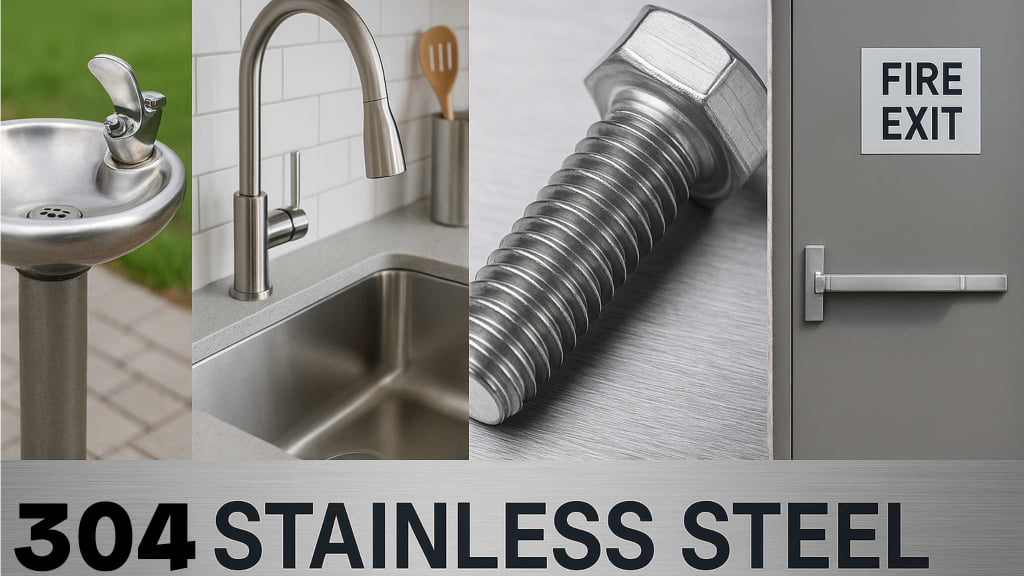
When sourcing materials, understanding the nuances between different grades of stainless steel is paramount. Stainless steel is a versatile alloy known for its corrosion resistance, durability, and aesthetic appeal. However, not all stainless steel is created equal. The choice between common grades such as 304 and 316 stainless steel can significantly impact the performance and lifespan of your components or structures, especially in demanding environments. Let’s explore the differences between these two popular stainless steel options. What is Stainless Steel? Before comparing specific grades, it’s helpful to understand what stainless steel is. It’s primarily an iron alloy with a minimum of 10.5% chromium. This chromium content creates a passive layer on the surface, known as the passive film, which provides the material with characteristic resistance to corrosion and rust. Different grades of stainless steel have unique compositions and properties, making them suitable for various applications. 304 stainless steel and 316 stainless steel are the most widely used austenitic grades. Understanding 304 Stainless Steel 304 stainless steel is arguably the most common and widely used stainless steel material globally. It’s often referred to as 18/8 stainless steel because its composition typically includes approximately 18% chromium and 8% nickel. Composition of 304 Stainless Steel The primary components of 304 stainless steel are: Chromium (approx. 18%) Nickel (approx. 8%) Iron (balance) Small amounts of Carbon, Manganese, Silicon, Phosphorus, and Sulfur. This composition provides good corrosion resistance to many chemical corrosives and resistance to ordinary rusting. Properties and Common Uses of 304 SS SS 304 stainless steel offers a good balance of properties: Good corrosion resistance in atmospheric environments and mild chemicals. Excellent formability and weldability. Good strength and durability. Attractive appearance. Due to these properties and its relative affordability, 304 stainless steel is found in numerous applications: Kitchen sinks and appliances Food processing equipment Architectural panels and trim Chemical containers Heat exchangers When to Choose 304 Stainless Steel Choose 304 stainless steel when your application requires good general corrosion resistance, formability, and strength, and will not be exposed to harsh, corrosive environments, particularly those involving chlorides. It’s an excellent general-purpose stainless material for many common industrial and consumer products. Understanding 316 Stainless Steel 316 stainless steel is the second most common stainless steel grade. It shares many characteristics with 304 but offers significantly enhanced corrosion resistance, especially in chloride-rich environments. Composition of 316 Stainless Steel The key difference in the composition of 316 stainless steel compared to 304 is the addition of molybdenum: Chromium (approx. 16-18%) Nickel (approx. 10-14%) Molybdenum (approx. 2-3%) Iron (balance) Small amounts of Carbon, Manganese, Silicon, Phosphorus, and Sulfur. 2-3% molybdenum gives 316 stainless steel superior resistance to pitting and crevice corrosion, particularly in saline or acidic environments. Properties and Common Uses of 316 SS 316 stainless steel builds upon the properties of 304, offering: Superior corrosion resistance, especially against chlorides, acids, and saline solutions. Higher resistance to pitting and crevice corrosion. Good strength and durability, similar to 304. Excellent formability and weldability. These enhanced properties make 316 stainless steel the preferred choice for more demanding applications: Marine environments (saltwater exposure) Chemical processing equipment Pharmaceutical equipment Medical implants Food processing in highly acidic or saline conditions Outdoor architectural applications in coastal areas When to Choose 316 Stainless Steel Choose 316 stainless steel when your application will be exposed to harsh, corrosive conditions, especially those involving chlorides, saltwater, or strong acids. Its enhanced resistance makes it a more durable and reliable choice in these demanding environments, the price justifying the higher 316 stainless steel. The Key Differences: 304 vs 316 Stainless Steel While both are austenitic stainless steel grades, the primary distinction lies in their composition and the resulting corrosion resistance. Chemical Composition The most significant difference is the addition of molybdenum in 316 stainless steel. This small addition dramatically improves its resistance to specific types of corrosion. Corrosion Resistance This is where 316 stainless steel truly shines over 304. 304 stainless steel performs well in many environments but is susceptible to pitting and crevice corrosion in the presence of chlorides. 316 stainless steel, with its molybdenum content, offers much higher resistance to these forms of attack, making it ideal for marine, chemical, and coastal applications. Strength and Heat Resistance Both grades offer similar mechanical properties in terms of strength and toughness. They also have comparable heat resistance for many common applications, though slight differences may exist at very high temperatures or in specific corrosive atmospheres. Cost: 304 Stainless Steel Price vs. 316 Stainless Steel Price Generally, 316 stainless steel is higher than 304 stainless steel. This is primarily due to the addition of molybdenum and the higher nickel content typically found in 316 stainless steel. While the initial cost is higher, the extended lifespan and reduced maintenance requirements in corrosive environments can make 316 stainless steel more cost-effective in the long run for certain applications. Feature 304 Stainless Steel 316 Stainless Steel Composition ~18% Cr, ~8% Ni ~16-18% Cr, ~10-14% Ni, 2-3% Mo Corrosion Resistance. Good (General) Excellent (esp. chlorides) Pitting/Crevice Fair (Susceptible to chlorides) Very Good (Resistant) Marine Use Not Recommended Recommended Cost Lower Higher Choosing Between 304 and 316 for Your Business Selecting between 304 and 316 stainless steel depends entirely on the specific requirements of your application. Consider the following factors: Environment: Will the material be exposed to chlorides, saltwater, acids, or harsh chemicals? If so, 316 stainless steel is likely the better choice despite its higher cost. For milder environments, 304 stainless steel is often sufficient and more cost-effective. Application: What is the intended use? Food processing, medical implants, or marine components demand the superior resistance of 316. General architectural trim, indoor equipment, and non-critical components are typically made from 304 stainless steel. Budget: While the 304 stainless steel price is lower upfront, consider the total cost of ownership, including potential replacement or repair costs if the material fails prematurely in a corrosive environment. Lifespan: How long does the component need to last in its intended environment? 316 stainless steel offers greater longevity in corrosive conditions. Understanding these points will
The Difference Between Carbon Steel Pipes And Stainless Steel Pipes
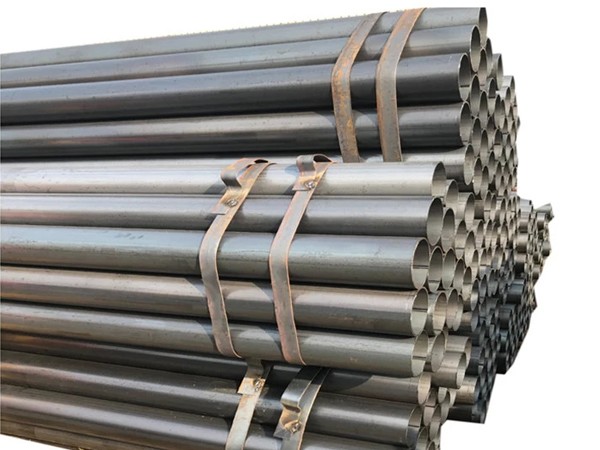
1. Introduction Overview of Carbon Steel Pipes and Stainless Steel Pipes Stainless and carbon steel pipes are good choices for various uses, so it may be hard to choose. You better determine which will fit your needs through understanding basic knowledge and applications. Both carbon steel and stainless steel pipes belong to metal steel pipes, but the content of metal elements is different. They also lead to the characteristics of stainless steel pipes that are more corrosion-resistant than carbon steel but have a higher purchase cost. Typically, the same elements are iron and carbon. The carbon steel pipe has a 10.5% alloy content, and the stainless steel pipe has a 10.5 % chromium content or more. Also, the essential difference is distinct physical characteristics. 2. What Are Carbon Steel Pipes? Manufacturing Process of Carbon Steel Pipes Carbon steel pipes are made of steel ingots or solid round steel through the perforation into capillary tubes and then by hot rolling, cold rolling, or cold drawing. Carbon steel pipe in my country’s steel pipe industry has an important position. Uses and Applications of Carbon Steel Pipes Carbon steel pipe transports liquid, gas, and steam services above and below ground. It is not recommended for corrosive services but can in caustic services. Types of Carbon Steel Pipes Hot-rolled carbon steel pipes encompass various types, including general, low-pressure, medium-pressure, and high-pressure boiler pipes. Additionally, they include alloy, stainless steel, petroleum cracking, geological, and other specialized steel pipes. Cold-rolled carbon steel pipes not only general steel pipes, low, medium, and high-pressure boiler steel pipes, alloy, stainless, petroleum cracking, and other steel pipes but also include carbon thin-walled, alloy thin-walled pipes, stainless thin-walled, and special-shaped steel pipes. 3. What Are Stainless Steel Pipes? Manufacturing Process of Stainless Steel Pipes Stainless steel pipes of acid-resistant and heat-resistant steel billets that are heated, pierced, sized, hot-rolled, and cut. Uses and Applications of Stainless Steel Pipes A stainless steel pipe is a kind of hollow round steel primarily to transport fluids or gases used in piping systems. It is also widely used in petroleum, chemical, medical, food, light industry, machinery, instrumentation, and other industrial transportation pipelines and mechanical structural parts. In addition, when the bending and torsion strength are the same, the weight is lighter and widely used in mechanical parts manufacture and engineering structures. It is also often used as furniture and kitchen utensils. Types of Stainless Steel Pipes Stainless steel pipes have different types according to manufacturing processes and shapes. Classified by process: stainless steel seamless steel pipe and welded steel pipe (seam steel pipe) are two categories. According to the outer diameter shape of the steel pipe: round and special-shaped pipes. Round steel pipes are widely known, but there are also square, rectangular, semi-circular, hexagonal, equilateral triangle, octagonal, and other special-shaped steel pipes. 4. Pipe Standard We can provide a variety of pipe standards. The most common standards are ASTM, API, and ISO. We will provide a detailed introduction to these standards next. Carbon Steel Pipe ASTM A106 seamless pipe ASTM A53 welded pipe API 5L pipe ISO 3183, ISO 1127 Stainless Steel Pipe ASTM A312 ASTM A240 API 5L pipe, API 5CT ISO 3183 stainless steel pipe, ISO 9329 5. Carbon Steel Pipes vs Stainless Steel Pipes: Key Differences Composition and Alloy Content Carbon steel pipes are Q195 and Q235. Carbon steel, also called magnet alloy, contains a small amount of silicon, manganese, sulfur, and phosphorus except carbon and iron. Stainless steel, except carbon and iron, has other metal elements such as chromium, nickel, and copper. The chromium content over 12.5% in the steel pipe will form a protective film (passivation film) on the surface of the steel pipe to achieve the effect of anti-corrosion. Corrosion Resistance The main difference between the two is corrosion resistance. Carbon steel pipes are easy to rust, while stainless steel pipes are corrosion-resistant. Physical Characteristics: Appearance, Strength, and Weight Stainless steel is lustrous and comes in various grades that can increase the chromium in the alloy until the steel finish is as reflective as a mirror. Carbon and stainless steel pipes are easy to distinguish because carbon steel has a dull surface comparable to a cast iron pot or wrought iron fencing. 6. Factors to Consider When Choosing Between Carbon Steel and Stainless Steel Pipes Transported Substance If you are transporting corrosive items, such as chemicals or salt water, you will need a metal that does not react. Please choose stainless steel pipe, but carefully check the material’s characteristics for potential reactions. Temperature Considerations Stainless Steel has lower thermal conductivity than Carbon steel. Carbon steel pipes are known for their ability to withstand high heat and are suitable for steam pipes. However, a different pipe grade will be necessary if you need work transporting cryogenic liquids in extreme cold. Cost Comparison Stainless and carbon steel pipes can be very affordable. Carbon steel is the least expensive, but stainless steel pipe is usually right behind. Compared to carbon steel pipes, the cost of stainless steel pipes is higher, and the higher the chromium content, the more expensive the price. Aesthetic Considerations If your pipes will be visible and appearance is a consideration factor, knowing the finish of these steels will help. Stainless steel usually has a shine to it and holds up if exposed to weather and other elements. Carbon steel is darker and has a matte finish. Long-term exposure causes corrosion and appearance deterioration. Stainless steel is preferred for many consumer products and can be used decoratively in construction, while carbon steel is often manufactured and hidden in projects. 7. Advantages and Disadvantages of Stainless Steel Pipes Benefits of Corrosion Resistance and Durability Stainless steel is a unique steel form that almost corrode. It gets this property by employing chromium as a special hardening agent. Chromium improves stainless steel, offering steel’s basic properties and enhanced corrosion resistance. Like carbon steel, stainless steel also reacts to oxygen in the air to form an oxide layer. However, rather than form
Understanding Different Types of Hydraulic Fittings
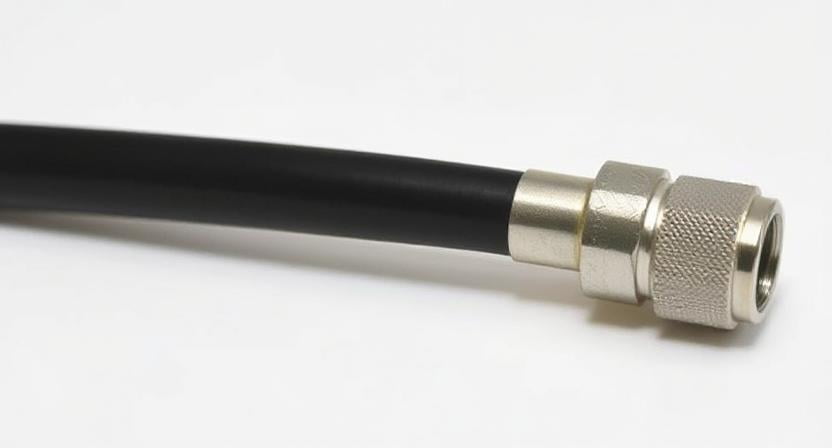
What Exactly is a Hydraulic Fitting? At its core, a hydraulic fitting is a connector used to join parts of a hydraulic system. These include hose pipes, tubes, pumps, valves, and cylinders. Unlike standard plumbing fittings, hydraulic fittings are specifically designed to endure extremely high pressures, often reaching hundreds or even thousands of PSI (pounds per square inch). Their primary function is to create a secure, leak-proof seal that can endure the dynamic forces and pressures inherent in hydraulic power transmission. Why So Many Types Exist? It’s driven by the diverse requirements of hydraulic applications worldwide. Factors influencing the design and selection of fittings include: Pressure Ratings: Different systems operate at vastly different pressures, requiring fittings rated accordingly. Fluid Types: Compatibility with various hydraulic fluids (oil, water-glycol, etc.) is crucial. Temperature Ranges: Fittings must perform reliably in extreme hot or cold environments. Environmental Conditions: Exposure to corrosion, vibration, abrasion, and other external factors dictates material and design choices. Connection Points: Different components have varying port configurations. Tubing/Hose Types: Fittings must match the specific type and size of hose or rigid tubing being used. International Standards: Different regions have developed their standards for threads and sealing methods over time. Exploring Common Hydraulic Fitting Types While the variations are numerous, fittings can generally be categorized based on their function or the type of connection they facilitate. Here are some common types you’ll encounter: Pipe Adapters The pipe adapter changes the type, size, or gender of a connection on a port or line. They are incredibly versatile and often used to connect components with different thread standards or sizes, or to change a male connection to female, or vice versa. Hoses These fittings connect flexible hydraulic hoses to a port or another hose. They can be permanently attached or semi-permanently attached. Common ways to attach them include crimping for a permanent connection or using screws for a reusable connection. The end of a hose fitting will feature a specific thread or sealing surface (like JIC, ORFS, NPT, etc.) to connect to the system. Tube Fittings Tube fittings are used to connect rigid hydraulic tubing. They typically create a seal by mechanically deforming the tube or using a ferrule (a ring) to bite into the tube’s surface, creating a strong, leak-free joint capable of handling high pressure. Examples include flare fittings (like JIC) and compression fittings. Couplings Pipe couplings let you easily attach and detach hydraulic lines without using tools. They reduce fluid loss, which makes them very helpful when parts need to be changed or disconnected often. Flange Fittings Flange fittings are used mainly in high-pressure and large-bore applications. They have a flanged head that is bolted onto a port or surface. A seal, typically an O-ring, is seated in a groove on the flange face to prevent leaks. They are robust and provide a very secure connection. Understanding Hydraulic Thread Types and Sealing Methods One of the most critical aspects of hydraulic fittings is the thread type and the method used to create a seal. Incompatible threads or improper sealing can lead to dangerous leaks and system failure. Here are some of the most common standards: NPT/NPTF (National Pipe Thread / National Pipe Taper Fuel) Common in North America. These are tapered threads that create a seal by pressing together. The threads fit tightly, causing metal to contact metal. Sealant Tape (PTFE tape) or pipe dope is typically required for NPT. NPTF is a variation designed for a dryseal (no sealant needed) but requires precise manufacturing and assembly. JIC (Joint Industry Council) 37° Flare This is a common standard, especially in North America. JIC fittings use a 37° cone on the male fitting that seals against a 37° flared seat on the female fitting or adapter. This metal-to-metal seal is reliable and easy to assemble/disassemble. ORFS (O-Ring Face Seal) These fittings feature a flat face on the male end where an O-ring is seated. This O-ring seals against a flat face on the female swivel nut fitting. ORFS fittings offer excellent leak resistance, even under high pressure and vibration, and are easy to tighten. BSP (British Standard Pipe) – BSPP & BSPT BSPP (Parallel): Features a parallel thread and typically seals using an O-ring, washer, or bonded seal compressed between the faces of the male and female fittings. BSPT (Tapered): This is a tapered thread, similar to NPT, that seals on the threads themselves and usually needs a sealant. SAE O-Ring Boss (ORB) Common in North America. This fitting has a parallel thread and seals via an O-ring compressed into a chamfered area (the “boss”) on the female port or fitting. Provides a very reliable seal. Metric Threads (e.g., DIN, ISO) Used widely in Europe and Asia, metric fittings come in various standards (like DIN and ISO) and sealing methods (e.g., 24° cone, O-ring seals). Compatibility requires matching the specific metric standard and sealing configuration. Common Materials for Hydraulic Fittings The material of a hydraulic fitting impacts its pressure rating, corrosion resistance, and cost. Carbon Steel The most common material is due to its strength, durability, and cost-effectiveness. Carbon steel fittings are typically plated (zinc, chrome, or other coatings) to prevent rust and corrosion. Suitable for a wide range of general hydraulic applications. Stainless Steel Offers superior corrosion resistance compared to plated carbon steel, making it ideal for harsh environments such as marine, chemical processing, or food and beverage industries. Stainless steel fittings are more expensive but provide long-term reliability in demanding conditions. Brass Often used in lower-pressure hydraulic or pneumatic applications, as well as plumbing. Brass offers good corrosion resistance, is easy to machine, and is non-sparking, making it suitable for certain environments. It is generally not used for high-pressure hydraulic systems. Choosing the Right Hydraulic Fitting For buyers, guiding the correct fitting is crucial. The selection process involves considering several factors System Pressure: The fitting’s working pressure must meet or exceed the system’s maximum operating pressure. Fluid Compatibility: Check that the fitting and seal materials are compatible with the
DIN 2440 Pipe Nipple Supplier
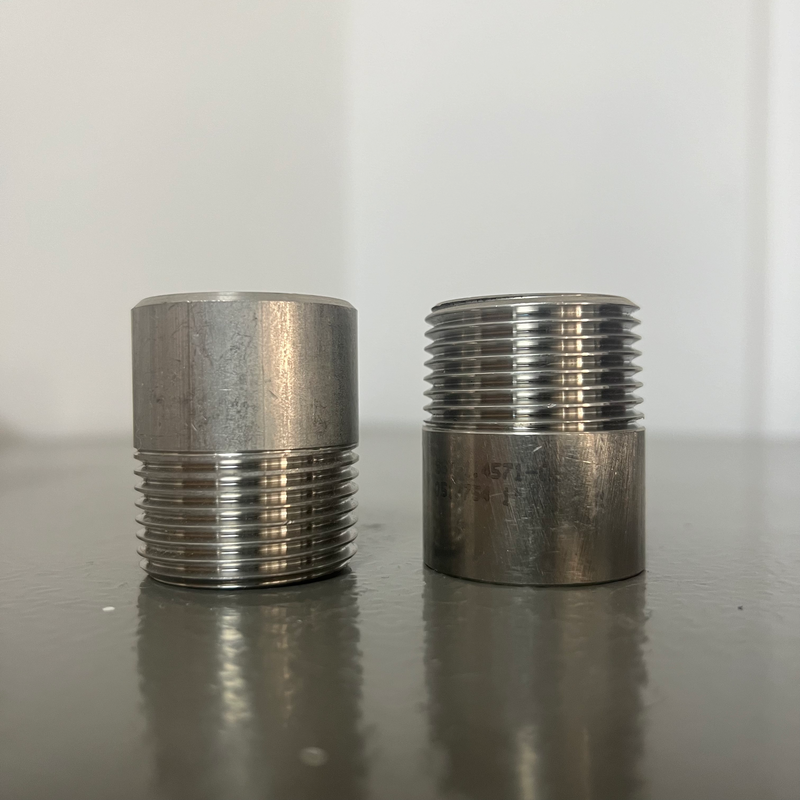
DIN 2440 is a European industrial standard for carbon steel nipples suitable for low-pressure transportation and construction applications. DIN 2440 pipe standard regulates the size, material, technical, and tolerance of seamless or welding pipes, common in gas, water, and other liquid transportation without corrosion. 1. Types Barrel Nipple A barrel nipple is a pipe nipple size from 1/8” to 6”, divided into short, medium, and longer lengths according to customer needs, which is according to your needs to choose. BSP or NPT male thread on both ends connects to other pipes. Seamless Nipple The seamless pipe fitting is manufactured from hot-rolled or cold-drawn seamless pipe to ensure the material structure is uniform with no welded point and higher compressive strength. Seamless nipples have high strength, vibration resistance, and anti-pressure ability, even in extreme environments. Welded Nipple The welding nipple is welded pipe after seam treatment processing to ensure strength and sealing. Welded nipples are suitable for low-pressure and room-temperature applications and are generally less expensive than seamless pipe nipples. 2. Material DIN 2440 pipe usually uses carbon steel, such as St33 carbon steel, which is famous in low-pressure applications due to its strength and durability. Carbon steel nipples have two types in the following: Black pipe nipple Black nipple with DIN 2440 is not a treated surface suitable for a dry or small corrosion environment. Galvanized nipple A galvanized surface enhances corrosion and rust resistance and is suitable for moisture and corrosion environments. 3. Thread Standard Pipe nipple according to din 2440 standard use iso 7/1 or bs 21 thread standard. ISO 7-1 ISO 7-1 is a pipe nipple thread standard by the International Organization for Standardization, widely used in gas and liquid pipeline connections. It belongs to Pipe Threads for Pressure-Tight Joints. Taper pipe thread: marked as RC thread (female thread) and R thread (male thread). Pipe with parallel thread: marked as RP (female thread) and G threads. RC and R threads achieve sealing depending on themselves, but R and RP threads require additional sealing material. Thread size expressed in imperial units, such as 1/8″, 1/4″, 1/2″, 1″ etc. The thread angle is 55 degrees wyeth threaded angle. BS 21 BS 21 standard is a British standard mainly used for piping systems sealing connections. BS 21 standard includes a taper thread and a parallel thread. The male thread usually is a taper thread, and the female thread can be a taper or parallel thread. Taper thread sealing is usually achieved by itself or with a seal. When matching taper thread with parallel thread, the sealant should ensure the sealing effect. Thread Angle also 55° Wyeth thread Angle. Thread size is compatible with the ISO 7/1 size system, allowing interchangeability. 4. Sizes DN Inch O.D. (mm) Wall thickness (mm) 6 1/8 10.2 2 8 1/4 13.5 2.35 10 3/8 17.2 2.35 15 1/2 21.3 2.65 20 3/4 26.9 2.65 25 1 33.7 3.25 32 11/4 42.4 3.25 40 11/2 48.3 3.25 50 2 60.3 3.65 65 21/2 76.1 3.65 80 3 88.9 4.05 100 4 114.3 4.5 125 5 139.7 4.85 150 6 165.1 4.85 5. Key Features Multifunction DIN 2440 pipe nipple is for low-pressure systems. Use for plumbing, HVAC, and structural frames. Size consistency DIN 2440 standard ensures precise outside diameters, thicknesses, and lengths for seamless integration into existing systems. Pressure grade Suitable for low-pressure applications, the property will change according to the thickness and material treatment. Anti-corrosion The galvanized nipple provides enhanced protection in corrosion or wet environments to extend service life. 6. Advantage Standardization, compatible with DIN standard pipes Durable carbon steel is reliable in various low-pressure applications. Galvanized nipples extend use life in severe environments. Easy to install and remove.
Steel Pipe Standards & Wall Thickness: DIN 2440 vs BS 1387
When sourcing industrial pipes, choosing the correct standard is not just a technical detail—it directly impacts project safety, compatibility, and long-term performance. As a direct manufacturer of steel pipes and fittings in China, we frequently help global buyers compare BS 1387 and DIN 2440 to ensure the right selection. In this guide, we break down the key differences, wall thickness standards, and practical applications—so you can make a confident purchasing decision. 1. Overview of BS 1387 and DIN 2440 BS 1387 Steel Pipe BS 1387 is a British standard widely used for: Water supply systems Gas pipelines Structural applications It is especially popular in Middle East, Africa, and Commonwealth markets. As a China BS 1387 galvanized steel pipe manufacturer, we produce: Black steel pipes Hot-dip galvanized pipes Threaded & coupled pipes DIN 2440 Steel Pipe DIN 2440 is a German standard known for: Precision engineering Strict dimensional control Compatibility with European systems It is commonly used alongside DIN pipe fittings, ensuring seamless installation in industrial projects. 2. Wall Thickness Comparison Wall thickness is one of the most critical factors when selecting pipes, as it determines pressure resistance and durability. BS 1387 Wall Thickness Classes BS 1387 pipes are classified into three categories: Light (L) – cost-effective, lower pressure applications Medium (M) – general-purpose usage Heavy (H) – high-pressure and demanding environments This flexibility makes BS 1387 ideal for projects requiring cost-performance balance. DIN 2440 Wall Thickness DIN 2440 typically corresponds to medium-weight pipes, offering: More standardized thickness Higher consistency Better integration with DIN systems Compared to BS 1387, DIN 2440 is less flexible but more uniform. 3. Key Differences: DIN 2440 vs BS 1387 Feature BS 1387 DIN 2440 Origin UK Standard German Standard Thickness Options Light / Medium / Heavy Mainly Medium Flexibility High Moderate Application Global, especially developing markets Europe & industrial systems Surface Options Black / Galvanized Usually black or treated 4. Galvanized Steel Pipes: Why BS 1387 Dominates In real-world procurement, galvanized pipes are often the preferred choice due to corrosion resistance. As one of the leading BS 1387 galvanized pipe factories, we provide: Uniform zinc coating Strong anti-corrosion performance Long service life in outdoor environments Many buyers specifically look for: BS 1387 galvanized steel pipe factories China BS 1387 galvanized steel pipe manufacturers Because this standard offers the best balance between price, durability, and global acceptance. 5. How to Choose the Right Standard From our experience working with distributors, contractors, and EPC companies: Choose BS 1387 if you need: Flexible thickness options Cost-effective solutions Wide international compatibility Choose DIN 2440 if you need: Strict European compliance Compatibility with DIN pipe fittings Higher dimensional precision 6. Why Work With Us We are not traders—we are a direct steel pipe manufacturer in China, offering: Full production control from raw material to finished pipes Competitive factory pricing Custom threading, cutting, and surface treatment Fast delivery for bulk orders Whether you are sourcing from BS 1387 galvanized steel pipe factories or need reliable DIN pipe fittings, we can support your project with consistent quality and stable supply. Call to Action Looking for a reliable supplier? Contact us today to get: Latest price list Free samples Technical support for your project