
Do You Know The Physical Properties Of Seamless Tubes?
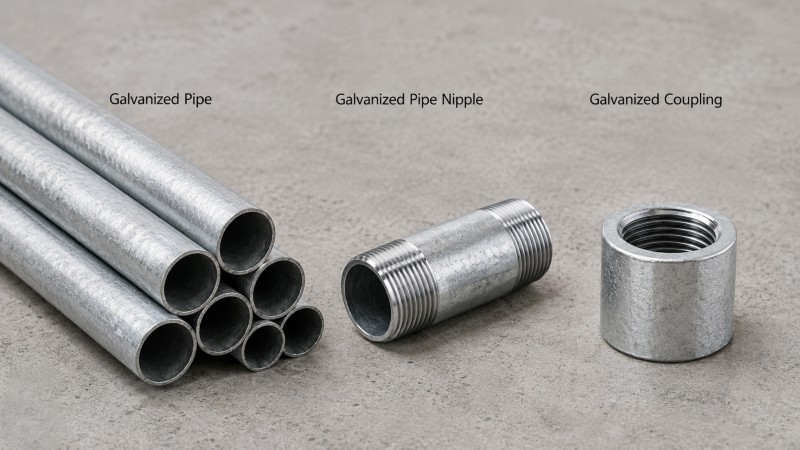
A seamless tube/pipe is a long steel bar with a hollow cross-section and no seams around it. And seamless pipe can be made into pipe nipples and pipe couplings, used as pipe fittings. At present, there are more than 5,100 production plants under 1850 companies producing seamless pipes in the world, among which there are more than 260 plants under 170 companies producing oil pipes. Do you know its physical properties? The physical properties are divided into the following points: 1. Domestic seamless pipes supplied according to the performance of the organization, ordinary carbon steels are manufactured according to GB/T700-88 Class A steel (but ensure that the sulfur content does not exceed 0.050% and the phosphorus content does not exceed 0.045%), and its mechanical properties Should comply with the value specified in the table of GB8162-87. 2. The hydraulic test specified in the guaranteed standard for domestic seamless pipes supplied by the hydraulic test. 3. The physical property inspection of the seamless pipe shall be carried out in accordance with the relevant standards specified in the contract.
Everything You Need to Know About Cast Pipe Fittings
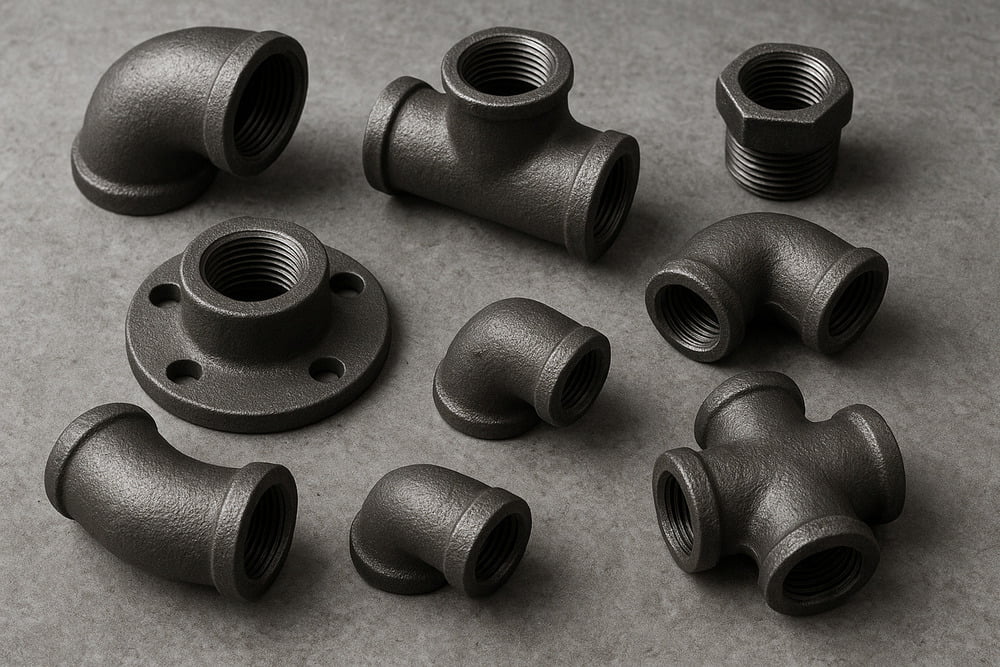
What is Cast Fitting? Cast Pipe Fittings are pipe fittings that are formed by melting metal and pouring it into a mold. It is a type of pipe fitting manufactured by the casting process and is suitable for a variety of fluid transfer systems. Is Stainless Steel good for Casting? Yes, stainless steel fittings can be cast, but whether they are “suitable” according to the use and performance requirements must be determined. Stainless steel has good liquidity and corrosion resistance, and after the metal is melted, it can be precision-cast into a variety of complex shapes of fittings. There are indeed many stainless steel casting fittings in the industry. It is widely used in valves, flanges, tees, elbows, and other products. The Advantages of Casting Stainless Steel Pipe Fittings Flexible molding: Complex structures or large-sized pipe fittings can be manufactured. Smooth surface: Precision casting brings a high-precision appearance. Lower cost: Low and medium-pressure systems are cost-effective. Excellent corrosion resistance: Retains the antioxidant and corrosion resistance properties of stainless steel materials. Limitations and Shortcomings Organization density is lower than forging; there may be pores, shrinkage, and other minor defects. Mechanical properties are slightly worse: not as good as the pressure and impact resistance of forging. Not suitable for high-pressure, high-temperature environments, such as petrochemical pipelines or boiler systems, forged stainless steel pipe fittings are not appropriate. What Temperature can you Cast Stainless Steel? Stainless steel has a melting point of approximately 1370°C to 1450°C; the actual pouring temperature is usually about 50 to 150°C above the melting point because it needs to keep the metal completely molten and fluid during casting. Casting Temperature Control Points Too low a temperature → poor metal fluidity, easy to cold separation, underpouring; Too high a temperature → easy to lead to coarse grains, serious oxidation, increased porosity; The optimum temperature zone is commonly controlled at +80~120℃ after the metal is completely melted, fine-tuned according to the mold material and casting thickness. What is better, Cast or forged? Cast fittings have a lower cost and are more suitable for low- to medium-pressure and general liquid transportation systems. Please select cast fittings for projects that require low cost, low pressure, or complex structures, such as water supply and drainage; food processing, and low-pressure mechanical pipelines. Forged fittings are superior for high-pressure, high-temperature, and critical systems, but are a little expensive than cast fittings. Please use the forged fitting when a project involves high pressure, high temperatures, or critical systems, such as oil and gas pipelines, boilers, and high-pressure chemical systems.
Features of High-Quality Plumbing Fittings
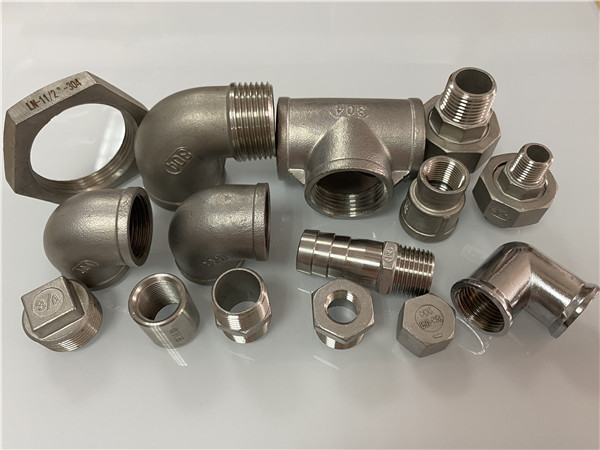
Plumbing pipe fittings have healthy qualities that never corrode, scale, and breed bacteria. The firm new pipe material satisfies the perfect pursuit of never leaking. It is non-toxic and harmless and fully meets the requirements of national drinking water hygiene indicators.The full application of the most advanced hot-melt connection technology in the world makes your construction and installation more convenient, faster, and safer.Good thermal insulation performance, when plumbing pipe fittings are used in hot water systems, no additional thermal insulation materials are needed. And as an energy-saving product. Favored by more consumers.The smooth inner wall of the pipe ensures the smooth and fast passage of water, thereby reducing water flow resistance.The pipes are made of thermoplastic materials with environmental protection functions, so there is no worry about environmental pollution, and in the process of production and use, they can be recycled, and resource waste is minimized, making it the first choice for a new generation of environmental protection and energy-saving products. Specific Features Of High-Quality Plumbing Fittings 1. Plumbing fittings are light in weight, flexible, and simple in constructionThe weight of the pipe is 1/20 of the galvanized steel pipe, which is easy to handle, and the minimum bending radius is 6D (D: pipe outer diameter).2. Good durability, non-toxic, and harmless.Because it is a high molecular weight polymer, the molecular structure is stable, the service life can reach 50-100 years, and it is non-toxic and harmless.3. Anti-ultraviolet and corrosion resistanceAnti-ultraviolet rays and microbial damage will not cause any impact on water quality.4. Good freezing and heat resistanceAt -20℃, it has good low-temperature impact resistance, and the pipe will not freeze and crack. After thawing, the pipe can be restored to its original shape and can withstand high temperatures below 100°C.5. The pipe wall of plumbing fittings is smooth and does not scaleThe inner wall is smooth, which can increase the water flow by 30% compared with the galvanized pipe.6. Advanced connection methodThe connection method is an integrated hot-melt connection, so when it is buried, it can avoid the movement of the pipe and the leakage of the connection due to temperature changes and water hammer.7. Save energyWith good heat preservation, Weixing PB can save energy by 30% when it is used for low-temperature floor radiant heating.8. Easy to repairWhen the plumbing fittings are buried in the dark, they are not bonded to concrete. When there is man-made damage, it can be quickly repaired through the replaced pipeline. Hebei Sanvo stainless steel pipe fittings such as stainless steel elbows, stainless steel tees, pipe unions, pipe caps, pipe plugs, hose nipples, hex nipples, and other ss pipe fittings can meet your features of high-quality plumbing fittings needs. If you are interested in this, you can click here to learn more or contact us directly.
Flow, Pressure and Valve Selection Guide
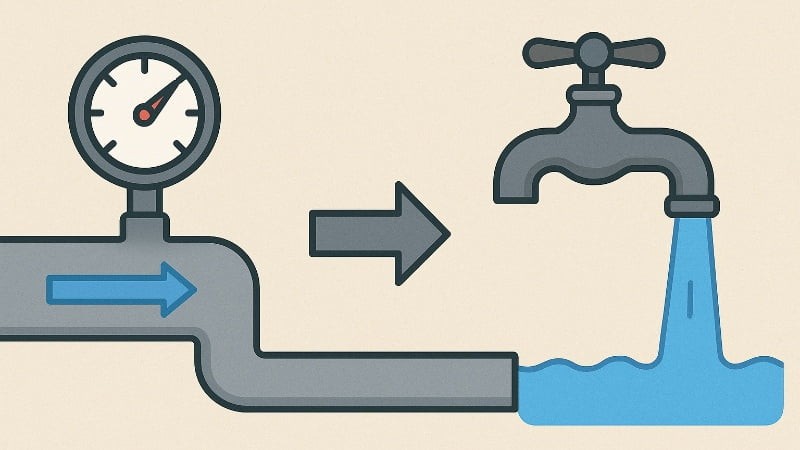
Relationship between Pressure and Flow Rate “Pressure” of a pipe refers to the internal pressure that the pipe can withstand or actually bears during use. This pressure results from forces exerted on the pipe wall by either flowing or stationary liquid or gas in the pipelines. It can be understood as: the pressure exerted by the internal medium of the pipe pushing against the pipe wall. “Flow” is the amount of fluid through the pipe in unit time. Pressure difference greater, flow greater. It’s like the larger the faucet is turned on, the greater the water flow. Schedule 40/80/160 Pipe Pressure Rating Chart NPS OD (in) Wall Thickness (in) Pressure (psi) Sch 40 Sch 80 Sch 160 Sch 40 Sch 80 Sch160 1/8 0.405 0.068 0.095 9,504 14,149 1/4 0.540 0.088 0.119 9,182 13,109 3/8 0.675 0.091 0.126 7,405 10,752 1/2 0.840 0.109 0.147 0.187 6,358 8,575 11,908 3/4 1.050 0.113 0.154 0.218 5,273 7,187 9,003 1 1.315 0.133 0.179 0.250 4,956 6,670 9,111 1¼ 1.660 0.140 0.191 0.250 4,133 5,638 7,092 1½ 1.900 0.145 0.200 0.281 3,739 5,158 7,357 2 2.375 0.154 0.218 0.344 3,177 4,498 8,027 2½ 2.875 0.203 0.276 0.375 3,667 5,095 7,136 3 3.500 0.216 0.300 3,181 4,509 4 4.500 0.237 0.337 2,694 3,903 6 6.625 0.280 0.432 2,143 3,371 This table lists the pipe pressure rating of various Nominal Pipe Sizes under different pipe schedules (Sch 40, Sch 80, Sch 160). Notes: Pressure is the allowable working pressure, not the burst pressure. Sch 160 is not available for all pipe sizes. Flow Control Valve Types Flow control valves are designed to regulate the rate of fluid flow within a pipeline system. Different valve types offer varying levels of control accuracy, operating mechanisms, and suitability for specific fluid characteristics and system pressures. Below are the most common types of flow control valves used in industrial and commercial piping systems. Globe Valves Globe valves are one of the most widely used flow-control valves. They feature a linear motion design, where the disc moves up and down to create precise throttling. Check Valve These valves use actuators—whether pneumatic, electric, or hydraulic to control the valve opening based on a control signal. Butterfly Valves Butterfly valves use a rotating disc to regulate flow. When partially open, they provide moderate flow control, with advantages as low weight and cost. Diaphragm Valves A flexible diaphragm is pressed against a seat to control flow. Ideal for corrosive or dirty fluids. Needle Valves Needle valves provide precise flow control because of their narrow, tapered plunger. Gate Valve Gate valves are designed for fully open or fully closed operation. Frequent adjustments lead to wear on the sealing surfaces, shortening the service life. Not suitable for precise flow control. Pinch Valve Pinch valves offer variable control by compressing the hose to adjust the flow area from 0% to 100%. Their lined hose construction is effective for regulating slurries, particulate matter, and corrosive media. Summary Valve Type Flow Control Ability Best For Notes Globe Precise General liquids, steam Ideal control valve Check None Backflow prevention Cannot control flow Butterfly Moderate Large pipes, water Rough throttling Diaphragm Moderate Corrosive, slurry Smooth throttling Needle Very fine Low flow, gas Precision control Gate Not suitable On/off service Do not throttle Pinch Good Slurry, particulates Continuously adjustable Globe Valves, Needle Valves, and Pinch Valves can provide precise control for flows. Butterfly valves and diaphragm valves are effective for controlling moderate flow piping systems. When selecting the right valve to control flow, consider accurate needs, the type of fluid it will handle, as well as the pressure, temperature, and operating conditions of the piping system. Can a Ball Valve Control Flow? Yes, the ball valve can control flow, but it is not recommended for precise flow control. Ball valves are designed for on/off isolation, not throttling. Ball Valves Mainly Function Rough flow control Not suitable for precise control Short-term throttling is possible, but long-term throttling will damage the valve. When is a ball valve used for throttling? The flow medium is clean The control requirement is low Valve is used temporarily, not continuously
What Is The Difference Between Galvanized And Black Pipe?
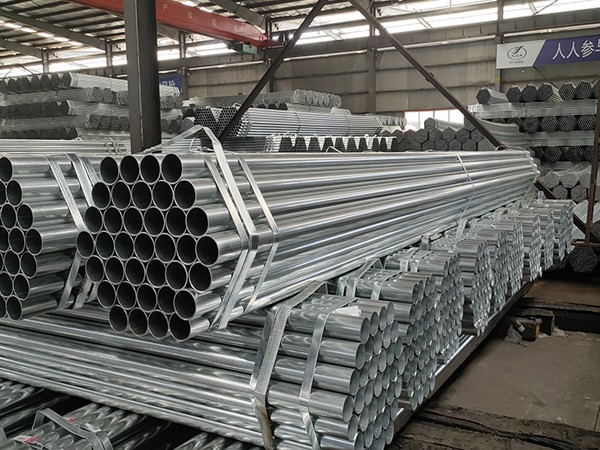
Black pipe is made of steel as is galvanized pipe. The difference is that galvanized pipe is coated with zinc, while the black pipe is not. Black pipe is best used for gas lines, not for water lines because it rusts easily, while the galvanized pipe is the safer pipe to use in water lines, but it cannot be used to convey gas. Homes need gas and water in order to run comfortably. Gas provides heat and fire to cook food and we cannot live without water. Pipes are used to carrying these essential materials into homes, buildings, and other construction projects to convey or carry gas and water to supply their needs. Two of the most widely used pipes are black pipe and galvanized pipe. 1. What are black steel pipes? Black steel pipes are made of steel that has not been coated with a substrate such as zinc or paint. Since it has a dark color surface that is formed by iron oxide during the manufacturing process, it is called black steel pipes. 2. What are black steel pipes used for? Black steel pipes have a variety of use thanks to their strength and needs for little maintenance. They tend to be used for transporting gas and water to rural areas and urban areas or for conduits that protect electrical wiring and deliver high-pressure steam and air. In addition, black steel pipes are also used in oil and petroleum industries for piping large quantities of oil through remote areas. Other uses of black steel pipes include gas distribution inside and outside homes, water wells, and sewage systems. However, black steel pipes are never used for transporting potable water due to the fact that they tend to corrode in water, and the mineral of the pipe will dissolve into the water and clog the line as well. And black steel pipes are commonly used in fire sprinkler systems thanks to their high heat resistance. 3. What are galvanized steel pipes? Galvanized steel pipes are carbon steel pipes that are coated with a protective layer of zinc. The zinc layer served as a sacrificial layer, it will get rust before the carbon steel underneath it. Galvanized steel pipes include Two types: hot-dipped galvanized steel pipe and cold galvanized steel pipe. The galvanized layer will strengthen the anti-corrosion performances of steel pipes. 4. What are galvanized steel pipes used for? Galvanized pipe covered with a layer of zinc, making it a high anti-corrosion ability to help prevent the accumulation of pipe plugging the pipeline. Moreover, even if the zinc layer is scratched or damaged, it can still protect the steel beneath it. Galvanized pipe is mainly used for water supply for residential and commercial buildings, can also be used as a scaffolding frame, because it has a rust-proof effect. The thicker your zinc coating, the longer the pipe lasts. The environment also plays a crucial role in determining the pipe’s life span. If the pipes are placed in highly corrosive conditions, they often last from 50 to 100 years. The layer of zinc covering galvanized pipes offers it a higher ability of corrosion protection, but as time goes by it can cause the mineral to flake off and block the pipe, which might lead to a burst. Transporting gas by galvanized pipes is therefore dangerous. Instead, it can be used in outdoor railings, fences, sewage plumbing, and farm irrigation and it is best used for bigger construction projects. 5. The Difference Between Galvanized And Black Pipes Galvanized pipes have a zinc coating, but black pipes do not. Black steel pipes are darker than galvanized steel pipes, black steel pipes are black, and galvanized steel pipes are silver-gray. Galvanized pipes are more expensive and more durable than black pipes because of zinc coating. Galvanized pipes are usually used for water transportation whereas black steel pipes for gas delivery. While there are now safer and stronger pipes made from materials other than steel, black pipes, and galvanized pipes are still very popular and are being used in homes and buildings. The thing to remember is to use them according to the specifications of the project and to use only one type of pipe in conveying water or gas to your homes. It is not advised to combine two types of piping material. 6. Where to buy/purchase galvanized and black pipes? SANVO is a good steel pipes and fittings manufacturer, supplier, exporter, wholesaler, factory, and company in China, supplying carbon and stainless steel pipes, carbon and stainless steel pipe fittings, carbon and stainless steel pipe flanges, and stainless steel ball valves. And the steel pipes include galvanized and black steel pipes, seamless steel pipes, and welded steel pipes. We provide the best price and high-quality pipeline products you need, if you are interested, please click here to view more information or contact us for free samples.
Galvanized Steel vs Stainless Steel
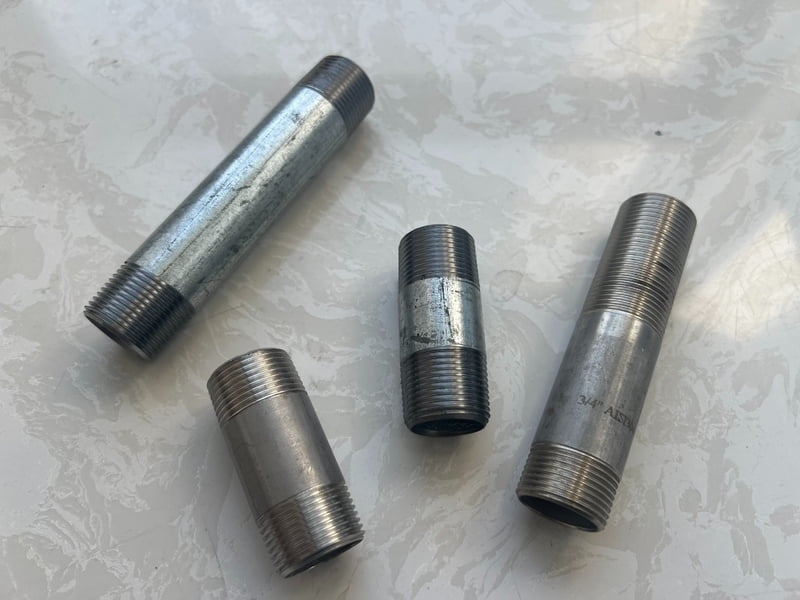
Galvanized and stainless steel are two general materials in pipe and pipe fittings manufactured, and each has different benefits and drawbacks. Galvanized steel increases corrosion resistance by applying a zinc coating on the surface of the carbon steel, making it for outdoor or wet environments. However, the properties may decline in high-temperature environments or extreme conditions. Compared with stainless steel, chromium and other alloy elements in stainless steel have better corrosion and high-temperature resistance and are more suitable for food processing and medical equipment manufacturing, which demand strict hygienic standards. Choose galvanized or stainless steel fittings according to different application requirements, cost, environmental concerns, etc. When choosing between galvanized and stainless steel materials, here are some of their main differences and applicable scenarios: 1. Material composition Our factory mainly produces pipes and fittings made from high-quality stainless and galvanized steel. Their performance varies greatly in disparate applications and environments. Please select the products that are best suited for your project and can perform at maximum performance. Galvanized pipe fittings: Galvanized material is usually carbon steel or iron with a galvanized coating to prevent corrosion. Its main components include: Iron: The base material, usually carbon steel. Zinc: A coating that protects against corrosion. Stainless Steel pipe fittings: Stainless steel is mainly composed of iron, chromium (usually at least 10.5%), and other elements (such as nickel) and has natural corrosion resistance. It is an alloy used primarily to resist oxidation and corrosion. Its main components include: Iron: the base material. Chromium: At least 10.5% to provide corrosion resistance. Nickel: It adds toughness and corrosion resistance, commonly found in types of stainless steel such as 304 and 316. Other elements, such as molybdenum, titanium, and aluminum, depend on the specific type of alloy. 2. Corrosion resistance Galvanized: Relying on the galvanized coating to form a protective film on the surface can effectively prevent pipe and fittings corrosion. It is suitable for moderately corrosive environments, but the galvanized coating may damaged in extreme environments. Stainless Steel Material: Due to chromium content, stainless steel has stronger corrosion resistance. Chromium reacts with oxygen to form a self-healing passive film, making stainless steel more durable than galvanized pipes and fittings and more suitable for high humidity or corrosive chemical environments. 3. Durability Galvanized pipe fittings: In manufacturing, protect against corrosion on the surface of carbon steel pipe coating galvanized. However, this galvanized coating may rust due to corrosion in extreme moisture or salt spray conditions. The service life of galvanized steel pipe usually extends up to 10 to 20 years, especially according to the situation and maintenance conditions. Stainless Steel pipe fittings: The high chrome content in stainless steel pipe fittings offers excellent anti-corrosion and strength properties. They can resist multiple chemical substances, oxidation, and high temperatures, making them more outstanding in severe environments. The service life of stainless steel pipes usually can exceed 25 years or longer. Stainless steel pipe fittings are more durable than galvanized steel, especially in harsh or highly corrosive environments. Please consider the environment and multiple factors when purchasing to choose the most suitable one. 4. Appearance Galvanized Steel: They usually appear silver-gray with a galvanized coating to prevent corrosion. A little bit raw in welded or cut parts. Galvanized steel may undergo oxidation in a humid environment to impact appearance. Stainless Steel: Smooth and shiny surface, usually showing silver or polish effect. Stainless steel does not easily change color and oxidation following situation changes. 5. Cost Galvanized pipe: The galvanized pipe is cheaper than stainless steel and more suitable for limited-budget projects. Although galvanized pipe is cheap, it has long-term costs due to it needing frequent maintenance or replacement in corrosive applications. Stainless Steel pipe: Stainless steel pipe is somewhat expensive due to the higher process and material cost than galvanized pipe. Stainless steel pipes do not need frequent maintenance because of their durable and high corrosion resistance properties, have more service life, and reduce the total cost. 6. Application Scenarios Galvanized pipe and fittings: Galvanized pipes and fittings are often building materials because of their strength and economics. Suitable for tubes and drainage systems, especially in conditions that do not need long-term contact with corrosion substances. They are in outdoor facilities because of anti-corrosion protection. Using galvanized fittings as auto parts can reduce cost and enhance durability. Stainless Steel pipes and fittings: Their superior anti-corrosion and ease of cleaning lead are popular in food processing, medical apparatus and instruments, chemical industry, and other applications. Stainless steel pipes and fittings are popular in home improvement because of their beautiful surface. They can used in ship applications and others due to their salt spray resistance. 7. Summary If the project has a limited budget and the environment is less corrosive, you can choose galvanized materials. If you need a longer life, low maintenance, and strong corrosion resistance solution, it is recommended to use stainless steel.