
Why Did Galvanized Steel Become Popular?
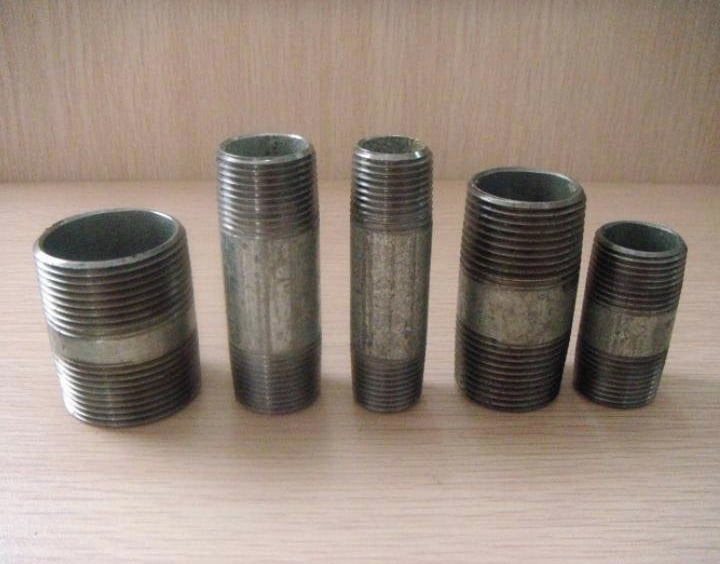
Galvanized steel has gained popularity due to its unique properties and versatile applications. The galvanization technology involves coating steel with zinc to enhance its corrosion resistance, extending its lifespan and making it suitable for various environments. This article explores the reasons behind the widespread adoption of galvanized steel across different industries and applications. 1. Corrosion Resistance One of the primary reasons galvanized steel became popular is its exceptional corrosion resistance. The zinc coating acts as a barrier, protecting the underlying steel from moisture and air that can cause rust. Even if the galvanized layer is scratched, the zinc adjacent to the bare steel will continue to corrode preferentially, thereby protecting the steel beneath. This property makes galvanized steel particularly appealing for outdoor and industrial applications, where exposure to harsh weather conditions is frequent. 2. Longevity and Durability The lifespan of galvanized steel is significantly longer than that of non-coated steel, making it a cost-effective choice. Depending on the environment, galvanized steel can last for decades without requiring significant maintenance or replacement. Durability is crucial for construction projects, automotive components, and infrastructure. 3. Versatility Galvanized steel is highly versatile and has a wide range of applications. Its great adaptability to different industries and purposes has its popularity. Commonly used In construction, transportation, household items (such as water pipes, furniture, and appliances), and agricultural settings, these materials. 4. Low Maintenance Requirements Its resistance to rust and corrosion is better, and galvanized steel requires minimal maintenance compared to other materials. It appeals to industries that want cost-effectiveness and reduce long-term maintenance expenses. Galvanized components lead to lower overall operational costs. 5. Beautiful appearance Galvanized steel is also aesthetic, often used in architectural designs and industrial looks. The unique finish of galvanized surfaces can complement various design styles, making it a preferred choice for many modern buildings and structures. 6. Sustainability Galvanized steel stands out as sustainable, the zinc is recyclable, and the steel does not lose quality, which makes galvanized steel an attractive choice for environmentally conscious projects. 7. Safety and Protection The galvanization process also provides an element of safety, particularly in construction. Galvanized steel components are less likely to fail or corrode, which can be crucial in buildings, bridges, and other infrastructures. 8. Galvanized product The galvanized products usually include coupling and nipples, and these products can connect two pipes or fittings in your plumbing system to maintain stability and safety connected for the project. We are a reliable galvanized fittings supplier in China. Please come to us to purchase fittings for your project, and we will provide the best goods and services for customers and offer customized services. 9. Conclusion The popularity of galvanized steel is due to its corrosion resistance, longevity, versatility, low maintenance requirements, aesthetic appeal, sustainability, and safety. Its unique properties and advantages ensure that it will continue to be a staple in construction and manufacturing for years.
Gas Pipeline Pipe & Fittings Sizing Guide
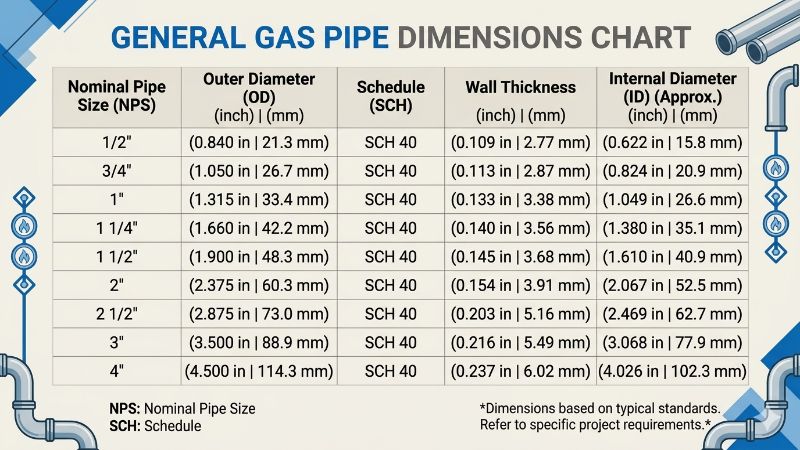
Why Proper Pipe and Fitting Sizing Matters Selecting the right pipe and fitting size is crucial for gas pipeline systems. Incorrect sizing can lead to reduced flow, pressure drops, and even safety hazards. In industrial and commercial applications, precise measurements ensure compliance with safety standards and optimize system efficiency. Key Factors in Pipe Selection When choosing pipes for gas pipelines, consider these factors: Material: Common options include galvanized steel, carbon steel, and stainless steel. Each offers different strengths, corrosion resistance, and service life. Pipe Diameter: The diameter affects gas flow rate and pressure. Oversized pipes increase cost, while undersized pipes reduce efficiency. Operating Pressure: Ensure the pipe can withstand the maximum system pressure. How to Choose Fitting Sizes Fittings, such as elbows, nipples, couplings, and unions, must match pipe dimensions precisely. Consider: Thread Type: NPT, BSPT, and BSPP threads are commonly used. Matching the thread type avoids leaks. Compatibility: Ensure fittings material matches the pipe for thermal expansion and corrosion considerations. Standard Compliance: Follow ASTM, ASME, or ISO standards for industrial gas systems. Steps for Accurate Sizing Calculate Flow Requirements: Determine the gas flow rate needed for your system. Determine Pipe Diameter: Use flow charts or engineering software to select the optimal diameter. Select Compatible Fittings: Ensure all elbows, couplings, and nipples match the chosen pipe size. Verify Pressure Ratings: Check that pipes and fittings can handle the system’s maximum operating pressure. Benefits of Correct Sizing Safety: Reduces the risk of leaks and accidents. Efficiency: Optimizes gas flow and minimizes pressure loss. Cost Savings: Avoids overspending on oversized pipes and unnecessary fittings. Compliance: Meets industry standards, ensuring smooth inspections and certifications.
Guide to Fire Sprinkler Systems for Procurement
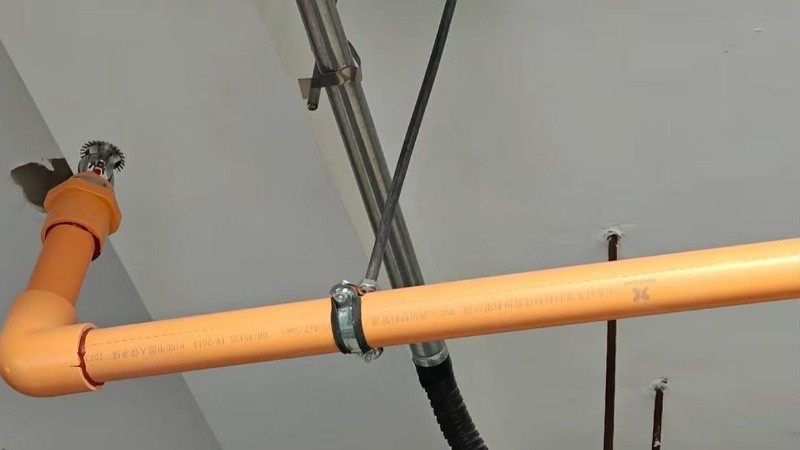
Fire Sprinkler Pipe Material Dear customer, Carbon steel and CPVC pipes are the two most commonly used materials in sprinkler systems. Each material is suited for different project types, installation conditions, and budget levels. Below is a clear and practical guide to their benefits, budgets, and applications to help you buy the most suitable one for your project. Carbon Steel Pipe Carbon steel pipe is the most widely used fire protection piping globally, in virtually all commercial and industrial fire sprinkler systems. Benefits of Choosing Carbon Steel Pipe High strength, withstands 175–350 psi Suitable for high flow rates and pressures Comprehensive certification systems (UL/FM, etc.) Lower cost Carbon steel pipe is the default standard configuration for fire protection systems in medium to large commercial and industrial buildings. CPVC Pipe CPVC is an engineered plastic pipe specifically designed for fire sprinkler systems (must be UL/FM certified). Advantages of CPVC Lightweight (only 1/6 the weight of steel pipe) Fast installation by solvent cement joints without welding or threading Corrosion-resistant, scale-free Smooth inner walls minimize head loss Low total cost (material + labor) CPVC Limitations Not heat-resistant (unsuitable for boiler rooms, rooftop sun exposure) Not suitable for industrial settings Cannot handle high pressure Cannot replace main trunk lines (only for branch lines) CPVC piping is ideal for residential and light commercial systems, emphasizing low cost and rapid installation. Carbon Steel vs. CPVC Factor Carbon Steel CPVC Best for Commercial & industrial Residential & light commercial Pressure High (175–350 psi) Moderate (≤175 psi) System Types Wet, dry, pre-action, deluge Wet only Durability High strength; may need coating Excellent corrosion resistance Installation Threading / Grooved / Welding Solvent cement Surface Treatment and Applications of Fire Sprinkler Pipe 1. CPVC Fire Protection Piping CPVC must utilize fire-rated materials compliant with UL/FM certification systems. CPVC pipe is classified as a plastic material, not a metal. Surface Treatment CPVC piping requires minimal external surface treatment. Reason: CPVC inherently resists corrosion and scaling, eliminating the need for metallic anti-corrosion processes. Applicable Systems Suitable for wet systems. Not suitable for dry systems (prone to brittleness due to temperature fluctuations). 2. Carbon Steel Fire Piping Common Material Standards ASTM A53 ASTM A795 ASTM A135 Carbon steel fire sprinkler piping for UL/FM certification Surface Treatment Methods Carbon steel pipes have multiple choices for surface treatments for long-term corrosion protection in fire systems: Black Pipe Natural steel surface with light rust-preventive oil coating Suitable for: Wet systems + indoor environments Red Painted / Red Epoxy Coated Pipe Surface coated with red fire-rated paint or epoxy powder coating Paint thickness (typical range): 40–80 μm (microns) common High-end epoxy powder up to 120–250 μm Applications: Indoor, wet systems Ordinary corrosion environments Galvanized Pipe Used in locations with high corrosion resistance requirements, such as: Dry systems Damp areas (e.g., basements, semi-outdoor) Highly corrosive regions (coastal areas) Galvanized thickness (per ASTM A123 / ASTM A153): Common: 45–80 μm (550–1100 g/m²) Some fire protection projects require ≥85 μm Grooved / Threaded Pipes Post-processing involves rust-proof paint application Commonly used in rapid installation systems Compatible with grooved fittings, valves, sprinklers FAQ Q: What is your monthly production capacity? A: Our factory possesses large-scale production capacity, achieving a monthly output of 3,000–5,000 tons (including black pipes, galvanized pipes, and CPVC pipes). Production lines can be flexibly adjusted according to the order composition. Q: What is the lead time for bulk production? A: Standard specifications: 15–25 days Custom specifications (special thicknesses, spray colors, etc.): 20–30 days Q: What specifications are available in stock? A: Our standard inventory includes: 1/8″ – 4″ (DN15–DN100) black & galvanized pipes, CPVC pipes Schedule 10 / Schedule 40 Standard length: 6m – 72m Q: Do you offer OEM painting, marking, and packaging? A: Yes, we provide comprehensive OEM customization services: Painting (red, black, gray, customer-specified colors) Marking (brand name, specifications, standards, UL/FM information, etc.) Packaging (stretch wrap, steel strapping, pallets, labels, etc.)
Hex Nipples or Close Nipples and how to choose Pipe Fitting
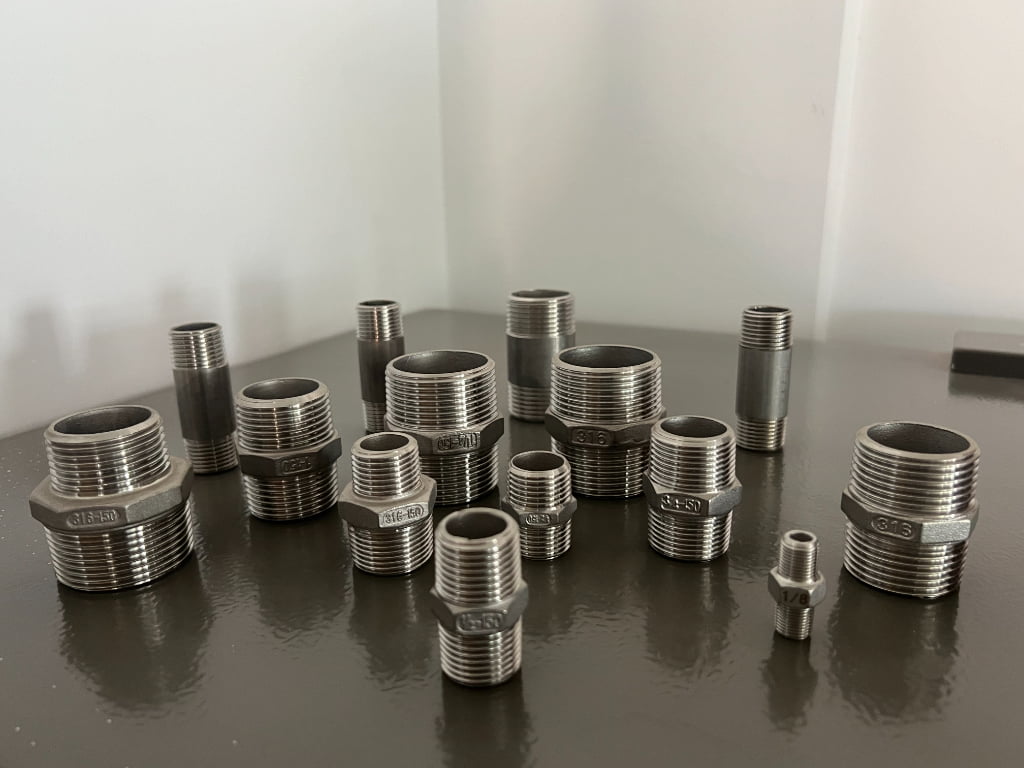
First, I will introduce our factory before we start the formal content. SANVO is a pipe and pipe fitting manufacturer in China, and we have more than 10 years of production experience with pipes and a series of pipe fittings. Regardless of any related product you need, we provide customized and best service before and after-sales. We offer what you need in lengths and diameters, which can bring greater convenience. 1. Hex nipple Except for the external threads at both ends, the central part is hexagonal, which provides an additional gripping surface. Thanks to the hexagonal design, the user can use a wrench to tighten, thus applying more torque, which is crucial for tight connections. Suitable for use in high-pressure environments or where additional sealing is required. They are widely disassembly and installation processes, such as mechanical equipment, pumps, valves, and other connections. It is also suitable for applications that require strong connections in piping systems. The hexagonal structure improves the reliability of the connection, especially in the environment of vibration or pressure fluctuations. Provides better fastening options to help reduce the risk of leakage. 2. Close nipple The close nipple is a short tube with external threads of equal size at both ends. The length is generally short in length, usually within a few centimeters, which is easy to use in situations where space is limited. Screw it directly into two pipes or fittings with internal threads. Because the design is simple, no additional tools are required, and manually tighten or secure with a wrench directly. They are commonly used in domestic or industrial piping systems to connect two pipes of the same diameter. It is suitable for gas and liquid delivery systems, such as water, air conditioning pipes, etc. Close nipples provide a reliable connection, ideal for systems that do not require frequent disassembly. They are simple structures and relatively low cost. 3. Summary Whether you choose Close Nipple or Hex Nipple depends on your specific application needs: A close nipple is a suitable choice if your connection location is tight and does not require frequent disassembly. Hex Nipple is more suitable if your application requires higher connection strength and may require regular maintenance or replacement of parts. In the selection, the material of the pipeline, working pressure, fluid type, and other factors should also ensure the suitability and safety of the selected parts.
How to Select Hex Nuts: A Complete Buying Guide
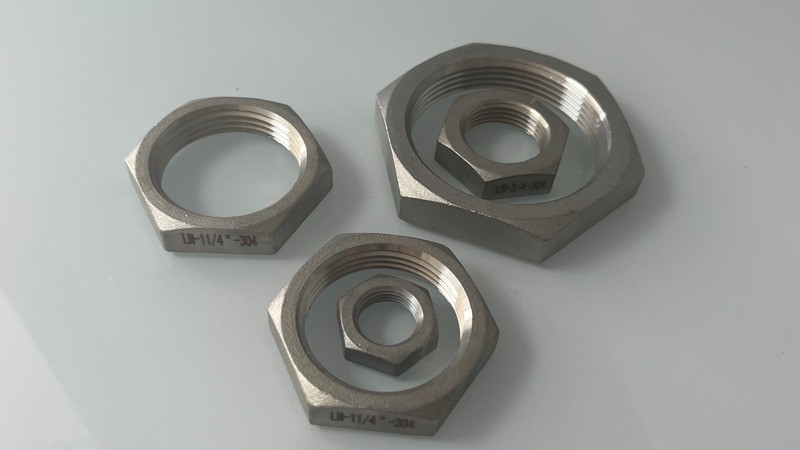
Introduction Hex nuts are one of the most widely used fasteners. However, selecting the wrong type causes installation failures, safety risks, and costly rework. Therefore, understanding the key selection parameters is essential. We supply stainless steel hex nuts and a full range of pipe fittings worldwide. We provide technical support to specify the correct product for every application. This guide covers everything you need to know. It explains common nut types, material grades, thread standards, size selection, and the most frequent buying mistakes we see in the field. Common Types of Hex Nuts Not all hex nuts are the same. Therefore, choosing the correct type depends on your load requirements, installation method, and application environment. Standard Hex Nut ASME B18.2.2 / DIN 934 The most common type of general fastening. Suitable for most structural and mechanical applications. Available in a wide range of sizes and materials. Heavy Hex Nut ASME B18.2.2 / ASTM A563 Larger bearing surface than standard hex nuts. Used in structural steel, flange bolting, and high-load applications. Common in ASTM bolt and nut assemblies. Nylon Insert Lock Nut DIN 985 / ISO 7042 Contains a nylon collar that resists vibration loosening. Ideal for equipment subject to dynamic loads. However, not suitable for temperatures above 120°C. Flange Hex Nut DIN 6923 / ISO 4161 Integrated flange distributes load over a wider surface area. Therefore, no separate washer is needed. Common in automotive and structural applications. Coupling Nut (Hex) ASME B18.2.2 A long hex nut is used to join two threaded rods end-to-end. For example, commonly used in threaded rod extensions and anchor bolt assemblies. Jam Nut (Thin Hex Nut) DIN 439 / ISO 4035 Thinner than a standard hex nut. Used as a locking nut against a full nut, or in applications with limited axial space. Not for primary load-bearing use alone. Procurement tip: When sourcing hex nuts in bulk, always confirm whether the application requires standard or heavy series. For example, ASTM A193 stud bolts require ASTM A563 heavy hex nuts — standard hex nuts do not meet the specification. Materials: Choosing the Right Grade Material selection is the most critical decision when specifying hex nuts. In addition, it directly affects corrosion resistance, tensile strength, and service temperature range. Material Grade / Standard Key Properties Typical Applications Carbon Steel ASTM A563 Gr. A/C/DH ISO 4032 Cl. 8 High strength, cost-effective, requires coating for corrosion protection Structural steel, general mechanical assembly Stainless Steel 304 ASTM F594 Gr. 8 ISO 4032 A2-70 Good corrosion resistance, non-magnetic, moderate strength Food processing, water treatment, and general outdoor use Stainless Steel 316 ASTM F594 Gr. 8 ISO 4032 A4-70 Superior corrosion resistance, especially to chlorides Marine, chemical processing, coastal environments Duplex SS 2205 ASTM A182 F51 High strength + high corrosion resistance, chloride SCC resistant Offshore, desalination, subsea pipelines Alloy Steel ASTM A194 Gr. 2H / 4 Very high strength, heat-resistant High-pressure flanges, pressure vessels, and petrochemical Brass / Bronze ASTM B16 / B98 Excellent corrosion resistance, non-sparking Plumbing, electrical, and explosive environments We recommend stainless steel hex nuts (Grade 316) for any application involving moisture, chemicals, or outdoor exposure. However, for purely structural applications with protective coatings, carbon steel hex nuts remain the most cost-effective choice. Important: Stainless steel hex nuts and carbon steel bolts should not be mixed in high-stress assemblies. Galvanic corrosion occurs when dissimilar metals contact each other in the presence of an electrolyte. Therefore, always match nut and bolt materials whenever possible. Size Selection: Key Parameters to Specify When ordering hex nuts, providing only a nominal diameter is not sufficient. We require the following parameters to fulfill orders accurately. Nominal diameter and thread pitch — e.g. M16 x 2.0 or 5/8-11 UNC Nut series — standard hex or heavy hex Material grade — e.g. SS 316, carbon steel ASTM A563 Gr. DH Finish/coating — plain, hot-dip galvanized, zinc plated, passivated Applicable standard — ASME B18.2.2, DIN 934, ISO 4032, ASTM F594, etc. Quantity and packaging requirement — bulk bag, box, or individually bagged Certification requirement — Mill Test Report (MTR), NACE MR0175, RoHS, etc. For importers and distributors: We strongly recommend requesting a Mill Test Report (MTR) for all stainless steel hex nuts. The MTR confirms chemical composition and mechanical properties. Therefore, it protects you from receiving substandard or mislabeled material — a growing issue in the global fastener market. Common Buying Mistakes We see these errors repeatedly across procurement orders. Therefore, we highlight them here to help you avoid delays, rejections, and cost overruns. Mistake 1 — Ordering by size only, without specifying grade: “M20 stainless hex nuts” is not a complete specification. For example, without stating 304 or 316, you may receive whichever grade is in stock — which may not suit your environment. Mistake 2 — Mixing thread standards: UNC and metric threads look similar in small sizes. However, forcing a UNC nut onto a metric bolt strips the thread immediately. Always verify the thread standard on the engineering drawing before ordering. Mistake 3 — Ignoring the difference between standard and heavy hex: Heavy hex nuts have a larger wrench flat and thickness. Therefore, substituting standard hex for heavy hex in a bolted flange assembly violates the design specification and may fail pressure testing. Mistake 4 — Not requesting MTR or test certificates: Counterfeit and mislabeled stainless steel fasteners are common in global supply chains. In addition, some suppliers ship carbon steel with a stainless coating. An MTR prevents this risk entirely. Mistake 5 — Selecting 304 SS for chloride environments: 304 stainless hex nuts perform well in most conditions. However, in coastal, marine, or chemical environments with chloride exposure, 316 SS is the correct choice. 304 will pit and corrode under these conditions. Mistake 6 — Overlooking coating compatibility: Hot-dip galvanized hex nuts require oversized threads to allow for coating thickness. Therefore, they are not dimensionally interchangeable with plain or zinc-plated nuts of the same nominal size. FAQ Q: What is the difference between a standard hex nut and a heavy hex nut? A heavy hex nut has a larger wrench flat
Hose Pipe Nipple Size Chart
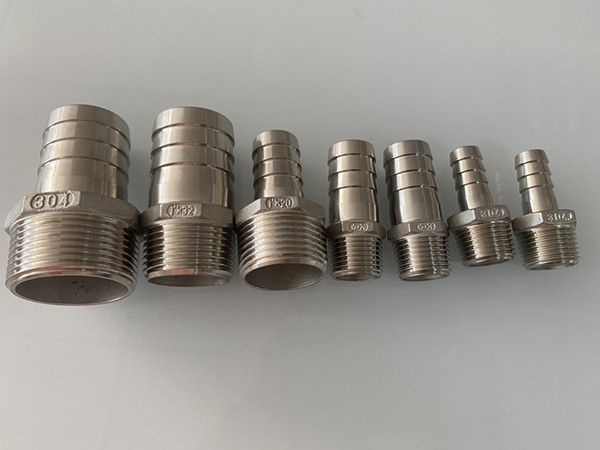
The hose pipe nipple is a pipe nipple with barbs and features a male threaded connection on one end and a hose barb on the other end. The hose barb may be the same size as the pipe connection or it may be of reduced size. This hose pipe nipple is a stainless steel casting pipe fitting with a male National Pipe Taper (NPT) thread on one end and a hose barb on the other end. It has NPT threads connecting to pipes with tighter seals than straight threads. This nipple hose barb is made of 304/316 stainless steel, which is higher strength and more corrosion. The stainless steel hose nipple meets standards ANSI B1.20.1 for quality assurance. Hebei Sanvo is the hose nipple supplier and manufacturer in China, exporting a variety of sizes of hose nipples. The Hose Pipe Nipple Size Chart Is As Follows: How To Use Hose Nipples: Slide the barbed end into a rubber hose and secure it with a clamp or a crimp-on hose ferrule. Hose Nipple Application Range: Hose nipples are available for fluid handling applications, including fertilizers, herbicides, acids, solvents, liquid waste, saltwater, and cooling water, etc. Great for attaching hose and ball valve. Maximum working pressure of 20000 psi. Pipe fittings are components used for connecting, terminating, controlling flow, and changing the direction of piping in many different industries. When purchasing pipe fittings, consider the application, as this will affect material type, shape, size, and required durability. Fittings are available threaded or unthreaded, in many shapes, styles, sizes, and schedules (pipe wall thickness). Our company Hebei Sanvo is one of the leading stainless steel threaded pipe fittings suppliers and manufacturers in China, in addition to supplying and manufacturing hose nipples, it also supplies, manufactures, customizes, and exports other threaded pipe fittings, such as stainless steel threaded elbows, stainless steel threaded tees, stainless steel pipe caps, stainless steel pipe plugs, stainless steel hex nipples, stainless steel pipe unions, and stainless steel lock nuts, etc. Factory direct supply, preferential price, quality assurance, welcome customers to consult, and look forward to discussing and cooperating with you!