
How often does plumbing need to be replaced?
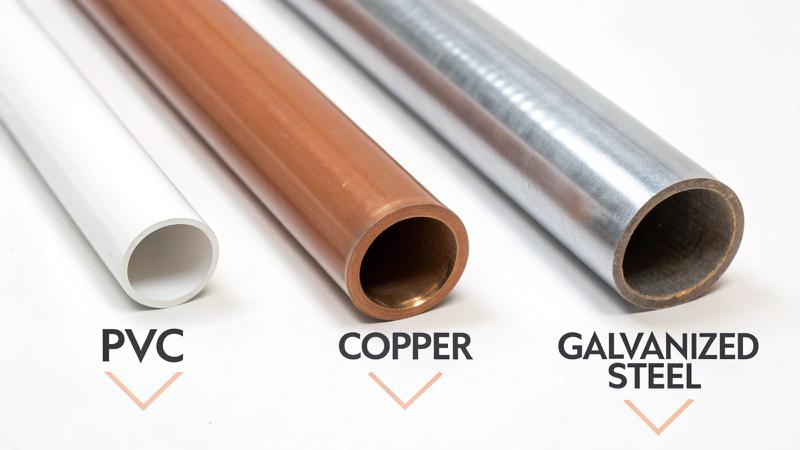
Plumbing is an important part of your home. Most people don’t think about it until something goes wrong. How frequently should it be replaced? In this article, we will examine the factors that influence plumbing lifespan and when it is necessary to consider a replacement. Factors Affecting Plumbing Lifespan Plumbing longevity depends on three key factors: Material Quality Copper pipes last 50+ years but are costly. PVC pipes (40–80 years) resist corrosion but degrade in extreme heat. Galvanized steel (20–50 years) is prone to rust. Water Quality Hard water accelerates mineral buildup, while acidic water corrodes metal pipes. Regular water testing helps prevent premature replacements. Usage Patterns High-pressure systems or frequent temperature changes strain pipes. Signs Your Plumbing System Needs Replacement Watch for these red flags: Frequent leaks or water discoloration. Low water pressure from mineral buildup. Visible corrosion or rust on pipes. How to Extend Plumbing Lifespan Annual inspections are conducted to identify leaks early. Water softeners reduce mineral buildup. Pipe insulation to prevent freezing. Conclusion Most plumbing systems typically last between 20 and 80 years, depending on the materials used and the maintenance they receive. Copper pipes can endure 50+ years, PVC 40–80 years, and galvanized steel 20–50 years. Lifespan is influenced by water quality (hard/acidic water accelerates corrosion), usage intensity, and installation quality. Key signs of failure include frequent leaks, discolored water, or low pressure. Proactive steps like annual inspections, pipe insulation, and water softening extend longevity. As a wholesale supplier, we offer long-lasting pipes, corrosion-resistant fixtures, and expert guidance.
How Often Should Pipes Be Replaced?
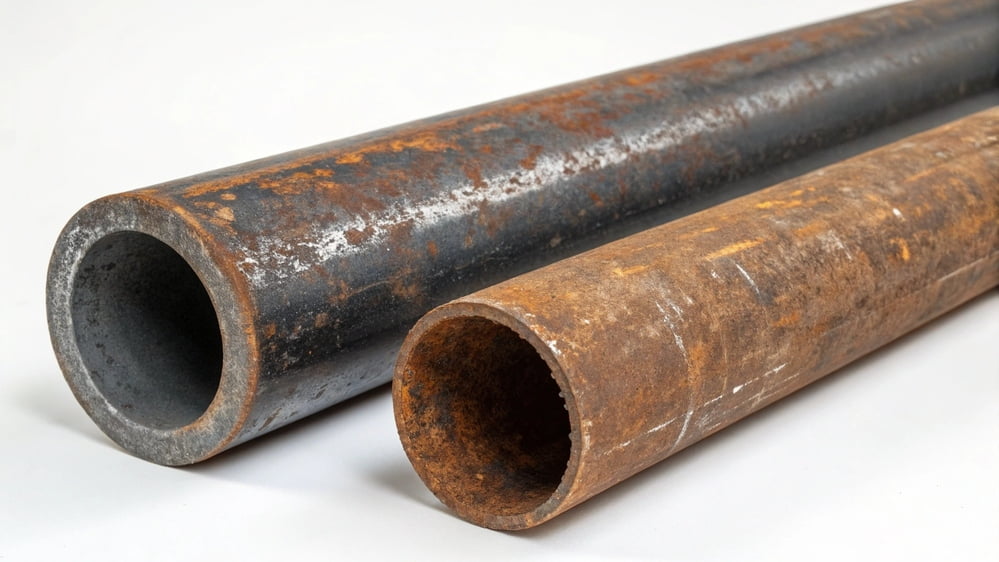
Stainless Steel Pipes: 50+ years (low corrosion) / 20–30 years (harsh conditions). Galvanized Steel Pipes: 40–50 years (dry) / 20–25 years (wet/acidic). Carbon Steel Pipes: 15–20 years (uncoated) / 30+ years (with protective linings). (Note: Actual lifespan depends on environment, maintenance, and usage intensity.) When Should You Replace Your Pipes? Recognizing the signs of pipe deterioration is essential to avoid costly damage: Visible Corrosion: Rust or scaling on steel pipe or galvanized pipe indicates weakening. Leaks or Cracks: Frequent leaks suggest structural failure. Discolored Water: Brown or yellow water signals internal pipe corrosion. Reduced Water Pressure: Blockages or pipe narrowing may necessitate replacement. How to Replace Pipes: A Step-by-Step Guide Replacing pipes involves careful planning and execution: Assess the Problem: Identify the extent of damage and the type of pipe (stainless steel pipe, carbon steel pipe, etc.) needing replacement. Choose the Right Material: Select pipes based on durability, corrosion resistance, and application requirements. Hire Professionals: Engage certified plumbers or contractors for precise installation. Install and Test: Ensure the new pipes are properly fitted and tested for leaks.
How To Install Pipe Nipple For Plumbing Piping?
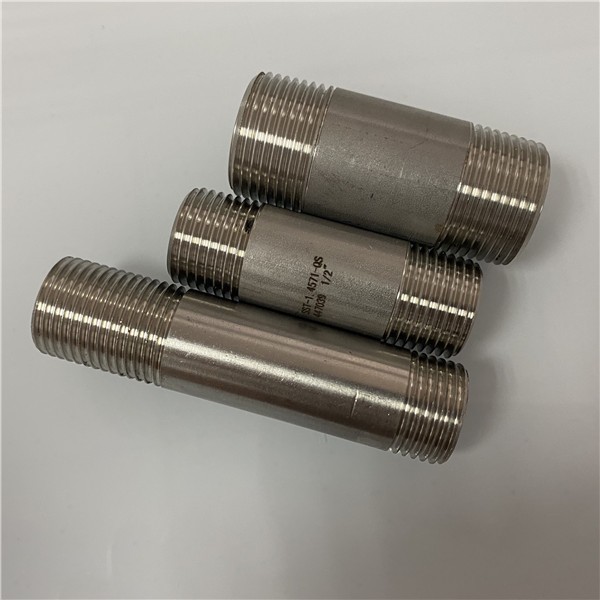
Water pipe nipples are also called casing pipes, pipe sleeve nipples, which are used to connect two water pipes to extend the length of the water pipe. According to the different ways of use, the nipples can be divided into externally threaded end water pipe nipples, bite-type water pipe nipples, and self-fixing water pipe nipples. When installing, pay attention to the same size between the nipple and the water pipe, and choose the correct connection nipple. 1. Find The Correct Size When Installing Water Pipe Nipples The installation and construction of the waterway are at the forefront of the home decoration process. If there is a problem with the installation of the water pipe, other decoration work will be difficult to carry out. To do a good job in waterway construction, it is necessary to have a clear understanding of water pipe material, water pipe nipple specifications, and other issues in advance to prevent the possibility of mistakes. 2. What Is A Water Pipe Nipple? To understand the specifications of water pipe nipples, we must first know what water pipe nipples are. The water pipe nipple, in simple terms, is actually a small part used to connect two water pipes. However, although this part is small, it plays a very crucial role. According to their usage, water pipe nipples can be divided into three categories: Externally threaded water pipe nipples Card sleeve water pipe nipples Water pipe nipples 3. Water Pipe Nipples Are Classified By Material According to their production materials, they can be divided into two categories: Metal water pipe nipples Plastic water pipe nipples The thickness, length, and installation position of the water pipe are different, which also determines that there are many different sizes of water pipe nipple specifications. The use of water pipes is very closely related to people’s daily life. It can be used not only in the family but also in other areas of society. Water pipes are also widely used. There are also certain differences in prices for different pipe materials and pipe specifications. For general washing machine water pipe nipples, the applicable inner diameter of the water pipe is 12mm, and for household water pipe nipples, the general inner diameter is 14m. If the water pipe nipple specifications are not used correctly during the waterway reconstruction construction, it may cause the water pipe in the house to leak and affect people’s normal work and life. In addition, improper water pipe nipples may damage the water pipes and cause serious waste of water resources. Therefore, only by finding the right water pipe nipple specifications and installing it, can the use be more assured. 4. How To Remove Rusted Water Pipe Nipple? You can pour some peanut oil on the rusty water pipe nipple, and then gently rotate it with a wrench. Knock the water pipe nipple with a wrench and loosen the rusty screw to unscrew it. If the rust is too serious, you can only pry open the water pipe nipple, and replace it with a new water pipe nipple later.
How to Verify a Chinese Pipe Fittings Supplier’s MTC
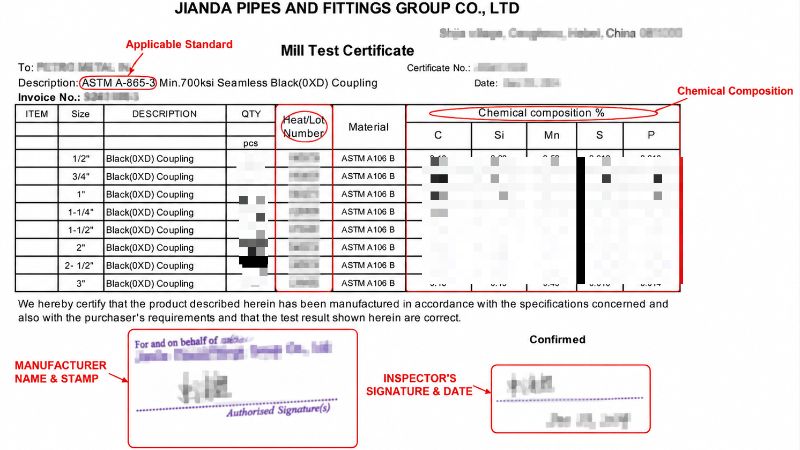
What Is an MTC, and Why Does It Matter? A Material Test Certificate (MTC) verifies pipe fittings meet mechanical and chemical standards. Without a valid MTC, you have no traceable evidence that the material in your hands is what was ordered. For any regulated application, this is a contractual and safety requirement. Projects typically require MTCs issued by the manufacturer’s independent inspection department. At a higher level, MTC also requires a third-party witness’s signature. Step 1: Check That the MTC Contains All Required Fields A legitimate MTC should clearly state the following: Heat/Lot Number Chemical Composition Applicable Standard Product Description Manufacturer Name and Stamp Inspector’s Signature and Date Step 2: Cross-Check the Heat Number Against the Physical Marking Every fitting should have a heat number stamped or stenciled on the product itself. This number must match the heat number on the MTC. This is one of the most overlooked checks in incoming inspection. Suppliers sometimes provide certificates from different batches to hide testing omissions or failures. What to do: Physically inspect a sample of fittings from the shipment Record the heat numbers marked on the fittings Confirm they correspond to the heat number listed on the MTC If numbers do not match, reject the lot until an explanation is provided in writing Step 3: Look at the Test Data Legitimate test results show actual measured values. For example: Property Standard Minimum What a Suspicious MTC Looks Like Tensile Strength 415 MPa min Exactly 415 MPa Yield Strength 240 MPa min Exactly 240 MPa Elongation 22% min Exactly 22% Legitimate test results show actual measured values. For example: Uniform results at the minimum limit suggest manual entry rather than actual data. Real lab results have natural variation. Request the original mill test report to audit for suspicious data. Step 4: Verify the Certificate Format Matches the Required Level Many Chinese suppliers use the phrase “3.1 certificate” loosely. Before accepting the document, confirm: Is the certificate issued on the manufacturer’s official letterhead? Does it carry a separate QC department stamp distinct from the production department? If 3.2 is required, is there a third-party inspector’s countersignature (SGS, Bureau Veritas, TÜV, Intertek, etc.)? A certificate signed only by the sales manager or factory director does not qualify. Step 5: Request Third-Party Inspection for High-Value or High-Risk Orders For critical or large orders, appoint an independent inspection agency to witness testing. For critical or large orders, appoint an independent inspection agency to witness testing. Witness mechanical/chemical testing, verify heat numbers and MTC, and issue the report. This report — combined with the factory’s MTC — gives you a 3.2-equivalent level of confidence. Third-party inspection costs far less than the price of failure or delay. Common Red Flags to Watch For Red Flag What It May Indicate Test values exactly at specification limits Data may have been manually entered The heat number on MTC does not match the physical marking The certificate may belong to a different batch Certificate signed by sales or management only Does not meet EN 10204 3.1 requirements No manufacturer stamp or only a general company chop Certificate origin cannot be verified The certificate is undated or shows an implausible date May be reused from a previous order Chemical or mechanical data copied from the standard Actual testing may not have been performed A Practical Pre-Shipment Checklist MTC received, and all required fields are present Heat numbers on MTC match physical markings on fittings Chemical and mechanical test values show realistic variation (not exact minimums) The certificate is signed by the QC department (not sales or management) Certificate format matches the required level (3.1 or 3.2) Third-party inspection report received (if applicable) All documents are in the required language (English or project-specified language) Working With Suppliers Who Get This Right A reliable pipe fittings manufacturer will not hesitate to provide full traceability documentation. They understand requirements and provide source mill certificates. We supply carbon steel, brass, and stainless pipe fittings with standard full documentation. Contact us to verify our certifications before placing an order.
Installation Process of Plumbing Pipes And Fittings
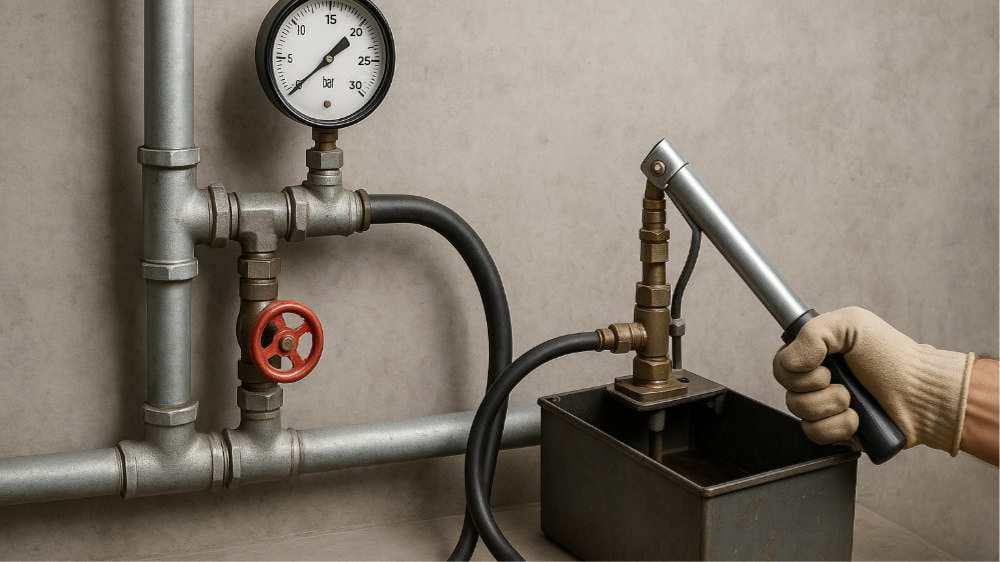
During the installation of plumbing pipes and fittings, a hydraulic pressure test can be carried out in layers or singly. As a leading pipe fitting manufacturer from China specializing in high-quality pipe and pipe fittings for global export, we understand the critical importance of the precise and reliable installation of plumbing systems. This guide outlines the essential steps and precautions for the proper installation of pipes and fitting of pipe components, ensuring optimal performance and longevity. 1. Precautions For Installing Plumbing Pipes And Fittings The working pressure and test pressure of all pipelines are respectively: the working pressure in the low zone is 0.4MPa, the test pressure is 0.6MPa, working pressure in the high zone and middle zone The pressure is calculated at 0.6MPa, and the test pressure is 0.9MPa. After the pipeline system is installed, check it comprehensively, check the installed pipes, valves, gaskets, fasteners, etc., all in line with the design and technical specifications. The fittings for pressure tests together with the pipeline are removed, replaced with temporary short pipes, all the teeth are blocked, and water is injected from the lowest place and deflated from the high place. Blow and wash the pipes that pass the pressure test until the dirt is washed away, and do a good job of all purge cleaning records and test pressure records. The test pressure of the plumbing pipe is 1.5 times the system working pressure, but it should not be greater than the allowable pressure of the pipe. The test should be filled with water slowly, and the seal should be checked after filling. The pressurization should be slowly raised to the test pressure by a hand pump. Stabilized for 1h, the pressure drop is less than 0.05MPa, and then reduced to 1.15 times the working pressure. Stabilized for 2 hours, conduct a visual inspection, and the pressure drop of no leakage does not exceed 0.03MPa, it is qualified. 2. Choosing the Right Pipe Materials and Fittings Selecting types of pipes and fittings is foundational to any durable piping and plumbing system. Different applications demand specific pipe types, each with unique characteristics and connection methods. Galvanized Carbon Steel Pipes: These pipes are made of carbon steel and coated with hot-dip galvanized zinc, enhancing their corrosion resistance. This makes them suitable for water supply lines, fire sprinkler systems, and industrial applications. They are known for their strength and durability. Pipe components connect via threaded fittings, with flanged or grooved connections common for larger diameters. Ensure proper sealing during pipe installation to avoid leaks. Black Carbon Steel Pipes: Uncoated carbon steel pipes, often referred to as “black iron pipe,” are primarily used for gas lines, fire sprinkler systems, and industrial applications where corrosion is less of a concern or where the medium itself provides some corrosion protection. They offer high strength and are cost-effective. Connections are typically made using threaded plumbing and pipe fitting components or by welding, ensuring robust and secure joints for pipe installation. PVC (Polyvinyl Chloride) Pipes: Commonly used for drainage, waste, and vent (DWV) systems due to their chemical resistance and cost-effectiveness, connected using solvent cement. Stainless Steel Pipes: Offer superior corrosion resistance and strength, suitable for demanding industrial applications as well as high-end residential projects. Often connected by press-fit, threaded, or welded methods, contributing to a robust pipe fitting and plumbing solution. When selecting pipe and pipe fittings, consider factors such as water quality, temperature, pressure, chemical exposure, and local building codes. Our range of pipe fittings and plumbing products is designed to meet diverse international standards and application requirements, supporting the reliable installation of plumbing and the robust installation of pipes. 3. Pipe Fitting Standard As a pipe fitting manufacturer, our pipe fittings and plumbing products are designed and produced to meet stringent international quality standards (e.g., ISO, ASTM, EN). We are committed to providing reliable solutions for your plumbing installation needs, supporting your projects with high-quality pipe and pipe fittings for export and wholesale. Trust our expertise for your next piping and plumbing fitting endeavor.
Introduction Of Elbow Stainless Steel 304
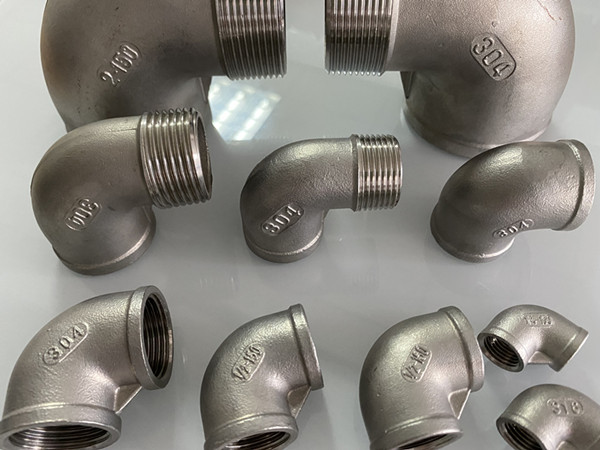
In the pipeline system, elbow stainless steel 304 is a pipe fitting that changes the direction of the pipeline and the chemical composition contained in stainless steel elbow will keep the surface of the elbow from rusting and corrosion for a long time. According to the angle, there are three most commonly used ones: 45° and 90°180°. In addition, according to engineering needs, it also includes other abnormal angle elbows such as 60°. Brief Introduction Of Stainless Steel: Stainless steel is usually made of carbon steel with a high proportion of Cr, Ni, and other alloys, and the content ratio can reach more than 20%. Common steel grades are: 304, 304L, 321, 316, 316L, 1Cr18Ni9Ti, 0cr18ni9. The first number of steel numbers represented by numbers are Japan and the United States, and the last one (1Cr18Ni9Ti) is the domestic steel number. Stainless steel characteristics: strength and toughness indicators are the best among various steels. Its most prominent advantage is corrosion resistance. Stainless steel must be used in highly corrosive occasions such as chemical papermaking. Of course, the cost is also higher! Brief Introduction Of Elbow: The materials of the elbow include cast iron, stainless steel, alloy steel, forgeable cast iron, carbon steel, non-ferrous metals, and plastics. The ways to connect to the pipe are direct welding (the most common way) flange connection, hot melt connection, electrofusion connection, threaded connection, and socket connection, etc. According to the production process, it can be divided into welding elbow, stamping elbow, hot pressing elbow, push elbow, casting elbow, forging elbow, clip elbow, etc. Other names: 90° elbow, right angle bend, love bend, white steel elbow, etc. Brief Introduction Of Stainless Steel Elbow: 1. According to the manufacturing standard, it can be divided into national standard, ship standard, electric standard, water standard, American standard, German standard, Japanese standard, Russian standard, etc.2. According to the production method, it can be divided into pushing, pressing, forging, casting, etc. Brief Introduction Of Elbow Stainless Steel 304: 304 stainless steel elbow is a pipe fitting that connects two pipes with the same or different nominal diameters in the pipeline system to make the pipeline bend at a certain angle. According to the angle, the most commonly used are 45°, 90°, and 180°. In addition, according to engineering needs, it also includes other abnormal angle elbows such as 60°. The connection with the pipe includes direct welding (the most commonly used method), flange connection, threaded connection, and socket connection. 1) Classification: 1. According to the production process, it can be divided into welding elbow, stamping elbow, casting elbow, etc.;2. Divided by material: carbon steel, cast steel, alloy steel, stainless steel (304, 316, 310, 321, 301), copper, aluminum alloy, etc.;3. According to the production method, it can be divided into pushing, pressing, forging, casting, etc.;4. Manufacturing standards include national standard, electric standard, water standard, American standard, German standard, Japanese standard, etc.;5. According to the radius of curvature: it can be divided into long radius elbow and short radius elbow. Long radius elbow refers to the outside diameter of the tube whose radius of curvature is equal to 1.5 times, that is, R=1.5D. A short radius elbow means that its radius of curvature is equal to the outer diameter of the pipe, that is, R=1.0D. (D is the diameter of the elbow, R is the radius of curvature)6. Divided by pressure level: there are about seventeen types, which are the same as American pipe standards, including Sch5s, Sch10s, Sch10, Sch20, Sch30, Sch40s, STD, Sch40, Sch60, Sch80s, XS; Sch80, SCH100, Sch120, Sch140, Sch160, XXS; the most commonly used are STD and XS;7. 304 stainless steel elbows can also be divided into equal diameter elbows and non-equal diameter elbows. Equal diameter elbows are used to connect pipes with the same outer diameter, and non-equal diameter elbows are used to connect pipes with different outer diameters. 2) Technical Requirements: 1. Since most of the pipe fittings are used for welding, in order to improve the welding quality, the ends are beveled, with a certain angle and a certain side. This requirement is also strict, how thick the side, how much angle and deviation The scope is stipulated. The surface quality and mechanical properties are basically the same as the pipe. For the convenience of welding, the steel grade of the pipe fitting and the connected pipe is the same;2. It is the requirements for packaging. For small pipe fittings, such as export, wooden boxes are required, about 1 cubic meter, and the number of elbows in this box cannot exceed one ton. The standard allows sets, that is, large sets and small sets. However, the total weight generally cannot exceed 1 ton. For large items, single packaging is required, such as 24″ must be individually packaged. The other is the packaging mark, which must indicate the size, steel number, batch number, manufacturer’s trademark, etc. 3) Use Range: Because the elbow has good comprehensive performance, it is widely used in basic projects such as chemical industry, construction, water supply, drainage, petroleum, light and heavy industry, refrigeration, sanitation, plumbing, fire fighting, electric power, aerospace, shipbuilding, and so on. 4) Precautions: 1. When installing, the stainless steel elbow can be directly installed on the pipeline according to the connection method, and the installation is carried out according to the used position. Under normal circumstances, it can be installed at any position of the pipeline, but it needs to be sealed to prevent leakage and affect the normal operation of the pipeline;2. When using stainless steel elbow ball valves, globe valves, and gate valves, they are only fully open or fully closed. They are not allowed to be used for flow adjustment to avoid sealing;3. The stainless steel elbows stored for a long time should be inspected regularly. The exposed processing surface must be kept clean, cleaned of dirt, and stored neatly in a ventilated and dry place indoors. Stacking or open storage is strictly prohibited. Always keep the stainless steel elbow dry and ventilated, keep the device clean and tidy, and store it