
What is Better, CPVC or PVC?
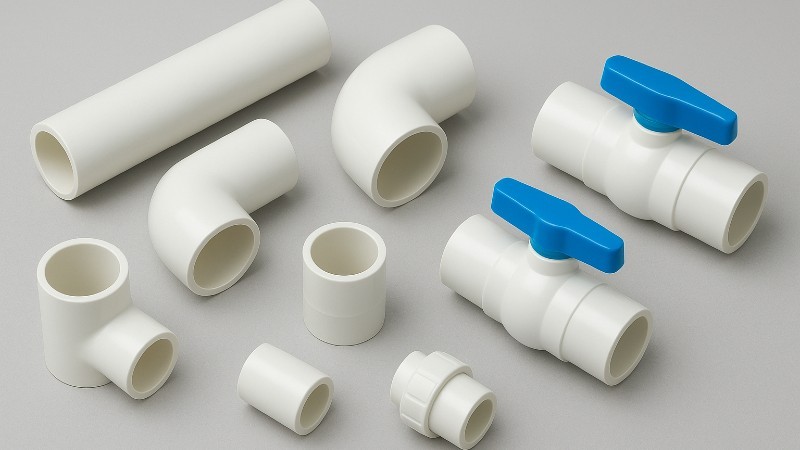
What is PVC? PVC is a type of plastic made from polyvinyl chloride. It is lightweight, durable, and resistant to corrosion. People often use PVC material in the plumbing fittings field. PVC pipes and fittings are one of the most widely used piping materials in the world. Key features of PVC pipes: Cost-effective and economical Excellent resistance to chemicals and corrosion Lightweight and easy to install Suitable for cold water supply, drainage, and irrigation systems PVC pipe fittings, including pipe nipples, couplings, bushings, elbows, and sockets, are commonly used in plumbing, agriculture, and construction. What is CPVC? Chlorinated Polyvinyl Chloride (CPVC) is a modified form of PVC that has been enhanced with additional chlorine, improving its resistance to heat and chemicals. Key features of CPVC pipes: Higher temperature resistance (up to 90°C and above) Stronger chemical resistance for industrial use Longer service life under high-pressure conditions Suitable for hot and cold water supply, industrial chemical pipelines CPVC pipe fittings, CPVC couplings, tees, valves, and adapters are widely used in chemical processing, hot water plumbing, and industrial fluid transport. PVC and CPVC Pipe Connection Methods PVC/CPVC plumbing fittings typically use two connection methods: cement and threaded connections. PVC/CPVC special cement is applied to the inside of the pipe ends. Allow it to dry before proceeding. A part of PVC/CPVC fittings that have a thread that can be connected with other threaded fittings and are suitable for areas where needs are removed frequently. PVC vs. CPVC: What’s the Difference? Feature PVC CPVC Temperature Range Up to 60°C (140°F) Up to 90°C (194°F) or higher Chemical Resistance Good for most mild chemicals Excellent for aggressive chemicals Cost More economical Slightly higher price Applications Plumbing, drainage, irrigation Hot water, industrial fluid transfer In short: PVC is best for low-cost, cold-water, and general piping projects. CPVC is better for high-temperature, industrial, or chemical systems. Which One Should You Choose: CPVC or PVC? The choice between CPVC and PVC depends on your project needs: For agricultural irrigation, construction drainage systems, and general plumbing, PVC is the most cost-effective option. For industrial chemical transport, hot water systems, and high-pressure environments, CPVC is the better solution. As a wholesale manufacturer in China, we recommend that buyers analyze both the temperature requirements and chemical compatibility before making bulk purchase decisions. Why choose us as your supplier? At our company, we are a professional Chinese manufacturer and exporter of pipes and pipe fittings. We specialize in bulk supply. We supply a product range: PVC pipes and fittings CPVC pipes and fittings Carbon steel and Galvanized couplings, nipples Stainless steel pipe nipples, socket, bushings, and valves, etc. Our advantages: Bulk order with lower prices ISO-certified, quality control Wide range of materials and custom sizes Strong production capacity Export experience to Europe, North America, Southeast Asia, and the Middle East Conclusion When comparing CPVC vs. PVC, the answer depends on the application: PVC is better for strict cost control projects like plumbing, irrigation, and drainage systems CPVC is better suited for conditions where heat, pressure, or chemicals have better temperature resistance and strength compared to PVC materials. As a China-based wholesale manufacturer of pipes and pipe fittings, we are committed to providing global buyers with the perfect goods for their projects. Whether you need PVC pipes, CPVC fittings, or customized wholesale pipe components, we can supply high-quality products at competitive prices. Contact us today to discuss your wholesale requirements and request a free quotation.
Long Screw Pipe Nipple: Complete Guide for Industrial Piping Projects
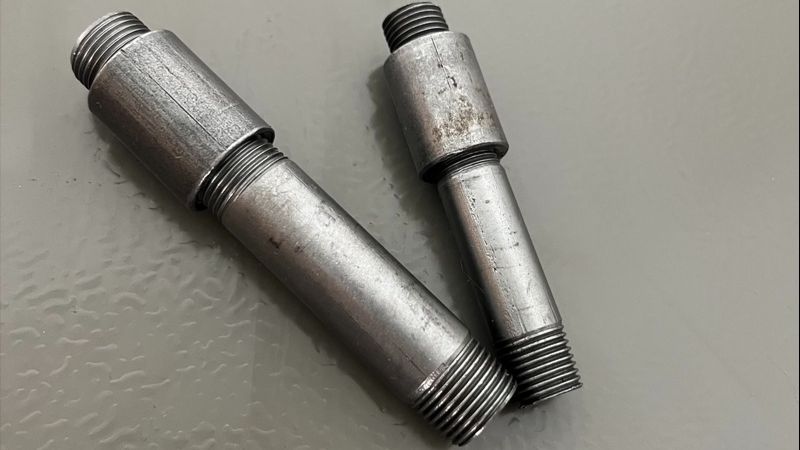
Buyers often need certain threaded accuracy and installation flexibility. That is where the long screw pipe nipple becomes essential. A long screw pipe nipple is widely used where extra thread length is required for assembly or change. As a manufacturer, we produce standard pipe nipples and long screw pipe nipples. In this guide, you will learn: What a long screw pipe nipple is Standard sizes and specifications Materials and surface finishes Common industrial applications BSP vs NPT thread standards How to choose the right supplier Frequently asked buyer questions What Is a Long Screw Pipe Nipple? It is a threaded pipe fitting with an extended threaded section compared to a regular one. Long screw nipples feature long threading on one side or across the full length of the pipe. This design allows easier change and better compatibility with other threaded fittings. Long screw pipe nipples are commonly manufactured according to: ASTM A53 ASTM A106 BS 1387 DIN 2440 EN standards They are available in multiple finishes, including: Black steel Hot-dipped galvanized Electro galvanized Stainless steel Difference Between Long Screw Pipe Nipple and Standard Pipe Nipple Item Standard Pipe Nipple Long Screw Pipe Nipple Thread Length Short Extended Installation Flexibility Limited Higher Common Usage General connections Adjustable connections Typical Application Plumbing Fire protection & industrial systems Assembly Adjustment Minimal Easier The biggest advantage of a long screw pipe nipple is its adjustable threaded engagement. This makes it ideal for projects where alignment tolerance is important. Common Materials of Long Screw Pipe Nipples 1. Carbon Steel Long Screw Pipe Nipple Carbon steel long screw nipples are the most widely used type. They provide: High strength Good pressure resistance Competitive pricing Wide industrial compatibility These products are commonly used in: Gas lines Water piping Fire sprinkler systems Mechanical construction 2. Galvanized Long Screw Pipe Nipple Galvanized long screw nipples are coated with zinc for corrosion resistance. There are two common galvanizing methods: Hot Dipped Galvanized Thicker zinc coating Better corrosion protection Suitable for outdoor and humid environments Electro Galvanized Smoother surface finish Lower cost Suitable for indoor applications Galvanized long screw nipples are commonly used in: Plumbing systems Water transportation Construction projects Agricultural irrigation 3. Stainless Steel Long Screw Pipe Nipple Stainless steel versions offer superior corrosion resistance and longer service life. Common grades include: SS304 SS316 SS316L These are suitable for: Chemical industries Marine environments Food processing High humidity applications Long Screw Pipe Nipple Sizes Long screw pipe nipples are available in multiple sizes and schedules. Common Diameter Range 1/8 inch 1/4 inch 1/2 inch 3/4 inch 1 inch 2 inch 4 inch Up to 12 inches Common Pipe Schedules SCH 40 SCH 80 Extra Heavy STD XS Custom dimensions are also available based on project requirements. Thread Standards of Long Screw Pipe Nipples Selecting the correct thread type is critical for sealing performance and compatibility. NPT Thread NPT (National Pipe Thread) is commonly used in: United States Canada North American markets Features: Tapered thread Strong sealing performance Widely used in industrial systems BSP Thread BSP (British Standard Pipe) is common in: Europe Middle East Asia Africa Types include: BSPT BSPP Different countries and projects may require different thread standards. We support customized threading based on customer drawings and standards. Applications of Long Screw Pipe Nipples Fire Protection Systems Plumbing Systems Gas Pipeline Systems Mechanical and Industrial Projects Surface Treatment Options Black Finish Black steel surface treatment is economical and suitable for oil, gas, and indoor industrial systems. Some buyers also require: Black painting Sand blasting Anti-rust oil coating Hot Dipped Galvanized Finish Hot dipped galvanized long screw nipples offer excellent an
Male Threads: Types and Uses in Plumbing
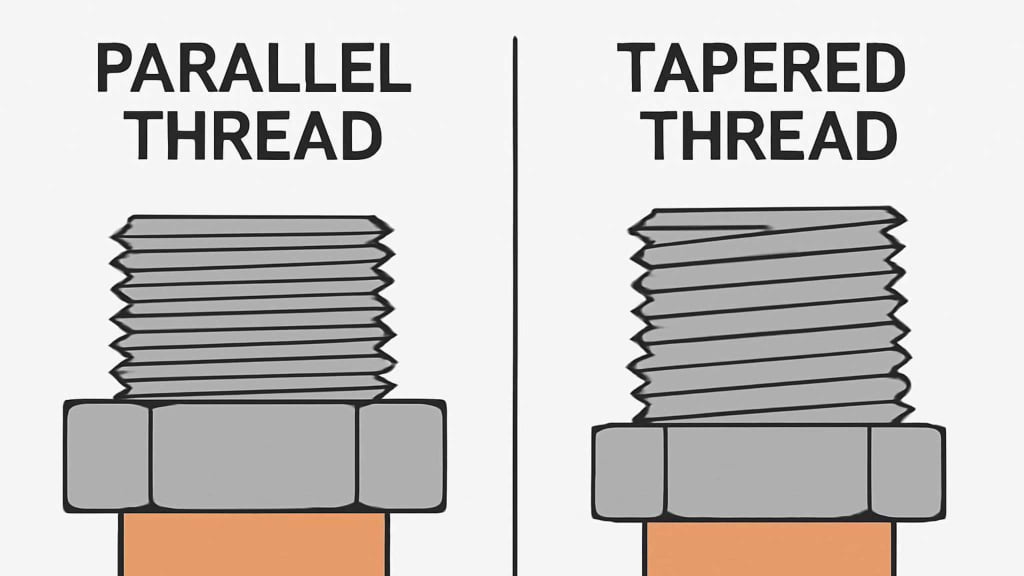
What Is a Male Thread? A male thread is an externally threaded component designed to screw into a corresponding female thread (internal thread). Male threads are commonly used in industrial plumbing, gas, oil, and water systems to create NPT, BSP, and metric threads for high-pressure and corrosion-resistant male threaded applications. Key Features: Connect other female thread pipes or fittings through their male threads The wide variety includes pipe nipples (short pipes with male threads on both ends), hex nipples, plugs, street elbows, male adapters, and more. Materials: stainless steel or carbon steel Critical Industries Oil and gas Chemical processing HVAC systems Parallel Thread vs. Tapered Thread Parallel Threads (e.g., BSPP) Design: Consistent diameter across the thread. Applications: Low-pressure systems requiring gaskets or seals. Pros: Easy assembly, reusable. Tapered Threads (e.g., NPT, BSPT) Design: Diameter decreases toward the end. Applications: High-pressure systems (self-sealing via thread deformation). Pros: Leak-resistant without additional sealants. Feature Parallel Thread Tapered Thread Pressure Rating Moderate High Sealing Method Gasket/O-ring Thread deformation Common Uses Hydraulic couplings Gas pipelines How to Select the Right Male Plumbing Fittings Pressure Requirements: Tapered threads for systems exceeding 1,000 PSI. Material Compatibility: Stainless steel for corrosive environments. Thread Standards: Match regional norms (e.g., NPT in North America).
Material and Thread Standards for Pipe Fittings Explained
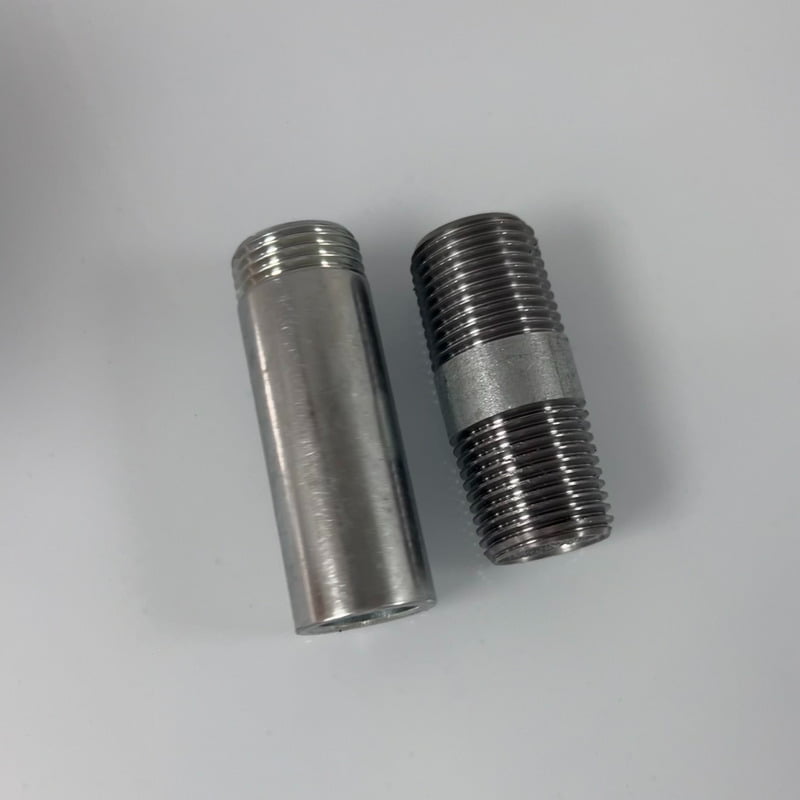
When sourcing pipe fittings in international trade, buyers often focus on two critical aspects: material standards and thread standards. Different regions have their own commonly used standards for stainless steel fittings and carbon steel fittings, which ensure compatibility, safety, and durability in industrial piping systems. This guide explains the popular pipe fitting standards in different countries and regions, including America (ASTM/ANSI/ASME), Europe (EN/DIN), Germany (DIN), the United Kingdom (BS), Japan (JIS), and International ISO standards. 1. Pipe Fitting Material Standards America (ASTM / ANSI / ASME Standards) The ASME/ANSI standards are widely used in the United States. They are suitable for high-pressure and high-temperature applications such as oil & gas, chemical plants, and power stations. Stainless Steel Fittings ASTM A182 ASTM A312 Carbon Steel Fittings ASTM A53 for welded and seamless carbon steel pipes, commonly used for low and medium-pressure. ASTM A106 for seamless carbon steel pipe for high-temperature service Europe (EN / DIN Standards) In Europe, both EN and DIN standards are applied to stainless steel and carbon steel fittings. Stainless Steel Fittings DIN 2950, DIN 2999 Carbon Steel Fittings DIN 2441 for heavy-duty steel pipes (carbon steel) DIN 2986 EN 10241 fittings are widely used in Europe, replacing older DIN standards. Germany (DIN Standards) DIN standards are the most common in Germany and Central Europe. They are often used for pipe nipples, pipe couplings, elbows, and other threaded fittings. Stainless Steel Fittings DIN 2982, DIN 2986 DIN 2441, DIN 2440 Carbon Steel Fittings DIN 2441, DIN 2986, EN 10241 British (BS Standards) BS standards are common in the UK, similar to the EN system. Carbon Steel Fittings BS 1387– Welded carbon steel pipes (for fittings and construction use) EN 10241– Steel threaded fittings Japan (JIS Standards) JIS standards are widely used in Japan and many Asian markets. JIS B2311, B2312, B2313 for stainless steel and carbon steel fittings. International (ISO Standards) The ISO standards are recognized worldwide, ensuring global compatibility. ISO 7-1 2. Pipe Fitting Thread Standards Thread type plays a vital role in ensuring tight connections in threaded fittings, such as nipples, couplings, unions, elbows, and tees. NPT (National Pipe Thread, USA) Widely used in the United States, especially in North America 60° thread angle Tapered thread provides a strong seal under pressure BSP (British Standard Pipe, Europe/Asia/Middle East) Two main types: BSPP (parallel) and BSPT (tapered) – 55° angle Common in the UK, India, Southeast Asia, and the Middle East ISO 7-1 (International / Europe) Equivalent to BSPT, widely accepted in Europe and international markets Conclusion When selecting pipe fittings for international projects, understanding both material standards (ASTM, EN, DIN, JIS, BS, ISO) and thread standards (NPT, BSP, ISO) is essential. For American markets → ASTM/ANSI (NPT thread) For European markets → EN/DIN (BSP or ISO thread) For Asian markets (Japan, China, Southeast Asia) → JIS, ISO, BSP threads For Middle East & India → BSPP/BSPT threads dominate Choosing the correct pipe fitting standard ensures compatibility, safety, and smooth installation in global industrial piping systems.
OD, ID, NPS Explained and Pipe Schedule Table
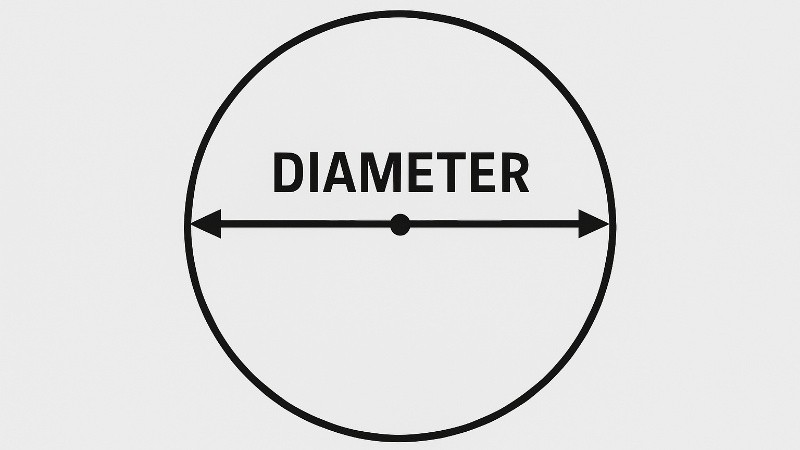
The dimensions of steel pipe directly determine their compatibility, flow performance, pressure-bearing capacity, and connection standards. Understanding steel pipe dimensions can be confusing—OD, ID, NPS, DN, pipe size dimension chart… If you have ever felt confused about material selection, this article will clarify all the key concepts for you. Before Everything: Understanding Diameter To fully understand OD, ID, and other pipe dimensions, we must start with the basic concept of diameter. What Is Diameter? For any circular shape, including round-shaped pipe ends, the diameter is measured as the distance between the two widest points, and the straight line must pass through the center of the circle. In simple terms: Diameter = the widest distance across a circle, passing through the center. This applies to both outer diameter (measured across the external surface) and inner diameter (measured across the inner wall). Outside Diameter (OD) and Why Does It Matter When measuring the outside diameter, you need to cross the center of the round end of the pipe to extend a line to the two ends on the outside widest edge of the pipe. It is a fixed dimension that remains constant regardless of the wall thickness. OD is critical for pipe fittings, threading, welding compatibility, and overall system design. The outer diameter plays a crucial role in ensuring compatibility with threading, fittings, welding, and the overall design of connections. In short, OD is the first dimension you must match when selecting pipe fittings or connectors. Understanding Inside Diameter The inside diameter is the length of the diameter of the inner wall, a line crossing the pipe center point, both ends connected to the two inside widest points of the pipe. This length is the inner diameter. Unlike the outside diameter, the inside diameter changes according to wall thickness. A thicker wall results in a smaller inner diameter of the pipe, while a thinner wall increases the inner diameter. ID plays a key role in calculating flow rate, pressure loss, and fluid capacity. The inside diameter (ID) measures the usable space in the pipe. Sizing pipes for water, gas, HVAC, or industrial fluid systems, ID is often the most important performance dimension. Nominal Pipe Size (NPS) & Diameter Nominal (DN) This is where things get interesting. NPS (Nominal Pipe Size) in the imperial system and DN (Diameter Nominal) in the metric system are named sizes—not actual measurements. They don’t match the OD or ID directly. They’re basic labels used to standardize pipe sizes, making it easier for engineers and buyers to communicate. Think of NPS/DN like T-shirt sizes: “S”, “M”, “L”… the number doesn’t tell you the exact chest width, but everyone knows what size it refers to. Key Differences Parameter Actual Measurement Changes With Wall Thickness Primary Use OD (Outside Diameter) Yes No Fittings, threading, pipe connections ID (Inside Diameter) Yes Yes Flow rate, fluid capacity, pressure loss NPS/DN (Nominal Diameter) No No Standardized naming & specification Pipe Size Chart Nominal Pipe Size Outside Diameter (mm) Nominal Wall Thickness (mm) NPS (inch) DN ASME JIS DIN Sch 10 Sch 20 Sch 40 XS Sch 80 Sch 160 XXS 1/8″ 6 10.3 10.5 10.3 1.25 1.73 3.07 3.07 1/4″ 8 13.7 13.8 13.7 1.65 2.24 3.33 3.33 3/8″ 10 17.1 17.3 17.1 1.65 2.31 3.56 3.56 1/2″ 15 21.3 21.7 21.3 2.11 2.77 3.73 3.73 4.78 7.47 3/4″ 20 26.7 27.2 26.9 2.11 2.87 3.91 3.91 5.56 7.82 1″ 25 33.4 34.0 33.7 2.77 3.38 4.55 4.55 6.35 9.09 1-1/4″ 32 42.2 42.7 42.4 2.77 3.56 4.85 4.85 6.35 9.70 1-1/2″ 40 48.3 48.6 48.3 2.77 3.68 5.08 5.08 7.14 10.15 2″ 50 60.3 60.5 60.3 2.77 3.91 5.54 5.54 8.74 11.07 2-1/2″ 65 73 76.3 76.1 3.05 5.16 7.01 7.01 9.53 14.02 3″ 80 88.9 89.1 88.9 3.05 5.49 7.62 7.62 11.13 15.24 3-1/2″ 90 101.6 101.6 – 3.05 5.74 8.08 8.08 4″ 100 114.3 114.3 114.3 3.05 6.02 8.56 8.56 13.49 17.12 5″ 125 141.3 139.8 139.7 3.4 6.55 9.53 9.53 15.88 19.05 6″ 150 168.3 165.2 168.3 3.44 4.5 7.11 10.97 10.97 18.26 21.95 8″ 200 219.1 216.3 219.1 3.76 6.35 8.18 12.70 12.70 23.01 22.23 10″ 250 273 267.4 273 4.19 6.35 9.27 12.70 15.09 28.58 25.40 12″ 300 323.8 318.5 323.9 4.57 6.35 10.31 12.70 17.48 33.32 25.40 14″ 350 355.6 355.6 355.6 6.35 7.92 11.13 12.70 19.05 35.71 16″ 400 406.4 406.4 406.4 6.35 7.92 12.70 12.70 21.44 40.49 18″ 450 457.2 457.2 457 6.35 7.92 14.27 12.70 23.83 45.24 20″ 500 508 508.0 508.0 6.35 9.53 15.09 12.70 26.19 50.01 22″ 550 558.8 558.8 – 6.35 9.53 12.70 28.58 53.98 24″ 600 609.6 609.6 610.0 6.35 9.53 17.48 12.70 30.96 59.54 26″ 650 660.4 660.4 – 7.92 12.70 12.70 28″ 700 711.2 711.2 711.0 7.92 12.70 12.70 30″ 750 762 762 – 7.92 12.70 12.70 32″ 800 812.8 812.8 813.0 7.92 12.70 17.48 12.70 34″ 850 863.6 863.6 – 7.92 12.70 17.48 12.70 36″ 900 914.4 914.4 914.0 7.92 12.70 19.05 12.70 38″ 950 965.2 965.2 – 12.70 40″ 1000 1016 1016 1016 12.70 42″ 1050 1066.8 1066.8 – 12.70 44″ 1100 1117.6 1117.6 – 12.70 46″ 1150 1168.4 1168.4 – 12.70 48″ 1200 1219.2 1219.2 1220.0 12.70
What Is The Difference Between Plug And Cap In Plumbing?
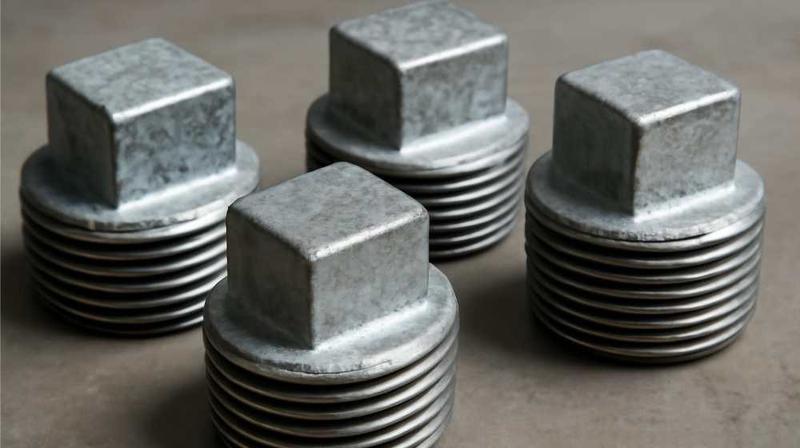
What is a plug? A plug is a male-threaded fitting that seals the end of a pipe when screwed into a female threaded fitting, commonly used as a gas line cap or water pipe cap. A pipe end cap is a female-threaded fitting used to close off pipelines, preventing dirt, moisture, and contaminants during storage and transportation. 1. What Is A Pipe Cap? A pipe cap (also called a plumbing cap) is a type of pipe fitting that covers the end of a pipe to close the pipeline, preventing leaks and contamination. Its function is similar to a pipe plug but is designed for female-threaded or welded connections. Pipe cap materials: Carbon steel, stainless steel, alloy steel, PVC, plastic, and other materials. Pipe cap connection methods: threaded connection, socket weld, butt Weld, etc. Pipe cap shapes: round head caps, hex head caps, etc. Pipe cap manufacturing standards: ASME B16.11, ASME B16.9, etc. Pipe cap manufacturing process: forging and casting (Forging refers to the use of steel ingots or round bars for heating and forging forming, and then processing threads on a lathe; Casting refers to the melting of steel ingots and pouring them into a fixed pipe hoop model, and then cooling them). Pipe cap applications: Pipe caps, such as PVC caps and stainless steel end caps, protect ends from dust and moisture, ensuring leak-free connections. Gas line caps and pipe plugs are used in hydraulic and pneumatic pipelines, water pump lines, and plumbing systems to prevent contamination and air blocks. 2. What Is A Pipe Plug? What is a plug? A pipe plug is a male-threaded pipe fitting, also a threaded plug, used to block the internal threads of a pipe. Common types include hex head, square head, and round head plugs. Like pipe caps, pipe plugs allow systems to be fully pressurized. Pipe plug materials: carbon steel, stainless steel, copper, brass, plastic, etc. Pipe plug shapes: hex head plug, square head plug, etc. Pipe plug connection methods: The threaded plug must use the threaded connection. Pipe plug manufacturing standards: ASME B1.20.1, ASME B16.11, etc. Pipe plug manufacturing process: forging and casting (Forging refers to the use of steel ingots or round bars for heating and forging forming, and then processing threads on a lathe; Casting refers to the melting of steel ingots and pouring them into a fixed pipe hoop model, and then cooling them). Pipe plug applications: Pipe plugs are used in the closing of the ends of various hydraulic or pneumatic pipes or tubes. Pipe plugs are the type of pipe fittings used in the plumbing apparatus of both industrial and domestic water supply lines, machinery, and so on. They are also for the removal of air blocks on water pump lines. 3. Pipe Cap VS Plug Both plumbing caps and pipe plugs protect pipelines from dust, moisture, and contaminants during storage and transportation. Pipe caps connect to external threads, while pipe plugs screw into internal threads. Always tighten carefully to avoid thread damage. The difference between a pipe cap and a pipe plug is that the pipe cap is an internally threaded pipe fitting and is connected to the externally threaded pipe end, while the pipe plug is an externally threaded pipe fitting that is connected to the internally threaded pipe end. 4. Where To Buy/Purchase Stainless Steel Pipe Caps And Pipe Plugs In China? SANVO is a manufacturer, factory, and exporter of quality stainless steel threaded pipe fittings, gas line caps, and cap plugs. We also supply threaded pipe fittings, including elbows, tees, nipples, and pipe unions. All products meet ASME and DIN standards with guaranteed quality. SANVO Advantage: Stainless steel pipe cap and pipe plug factory, primary source, non-trading company; Best price and guaranteed quality, and ensure timely delivery; Samples can be mailed to customers for free, customer satisfaction is our ultimate goal; Can be customized according to drawings, samples, and the customer’s special needs. I think you can buy stainless steel pipe caps and pipe plugs from SANVO. We can meet your size standards and special needs. If you have any needs, please contact us immediately for free samples or quotations, and we look forward to your messages.