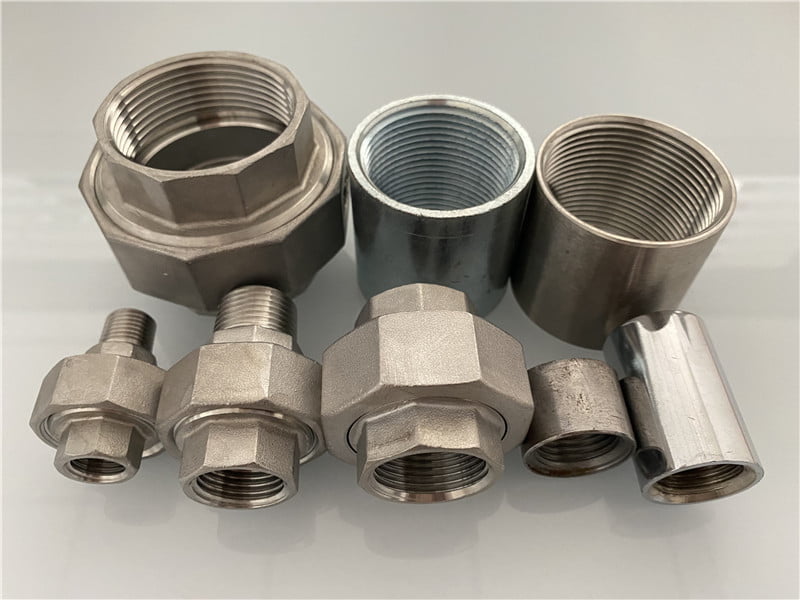
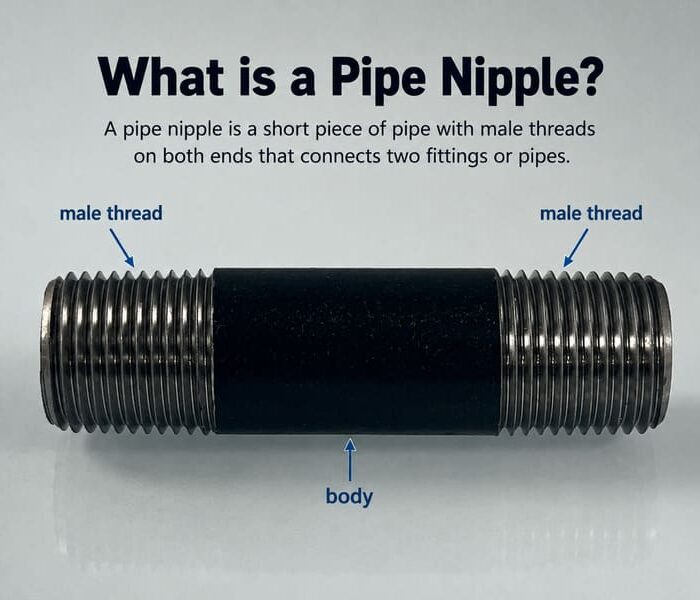
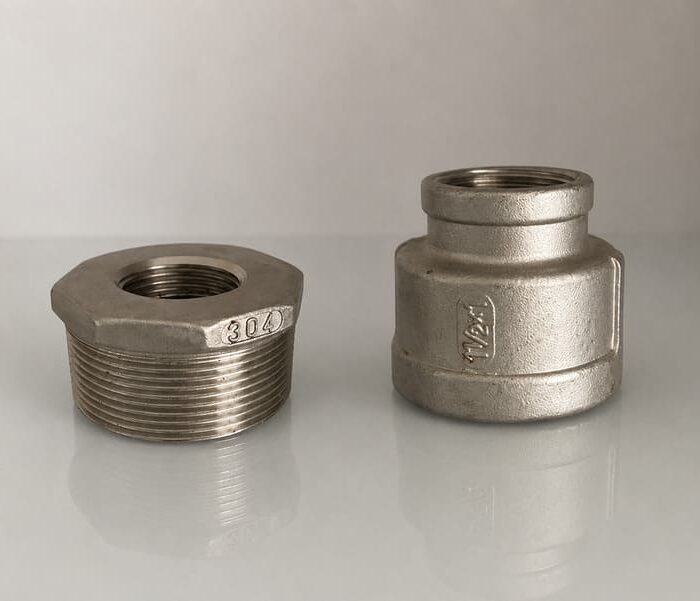
This guide mainly discusses the standards of pipe nipples.
-
Dimensions
-
Thread standards
-
Material standards
Standards defined by
International Organization for Standardization (ISO),
Deutsches Institut für Normung (DIN), and
British Standards Institution (BS)
directly affect sealing performance, compatibility, and safety in piping systems.
1. Pipe Nipples: Thread Standards
2. Material Stankards for Pipe Nipples
1. Pipe Nipples: Thread Standards
(1) ISO Thread Standards
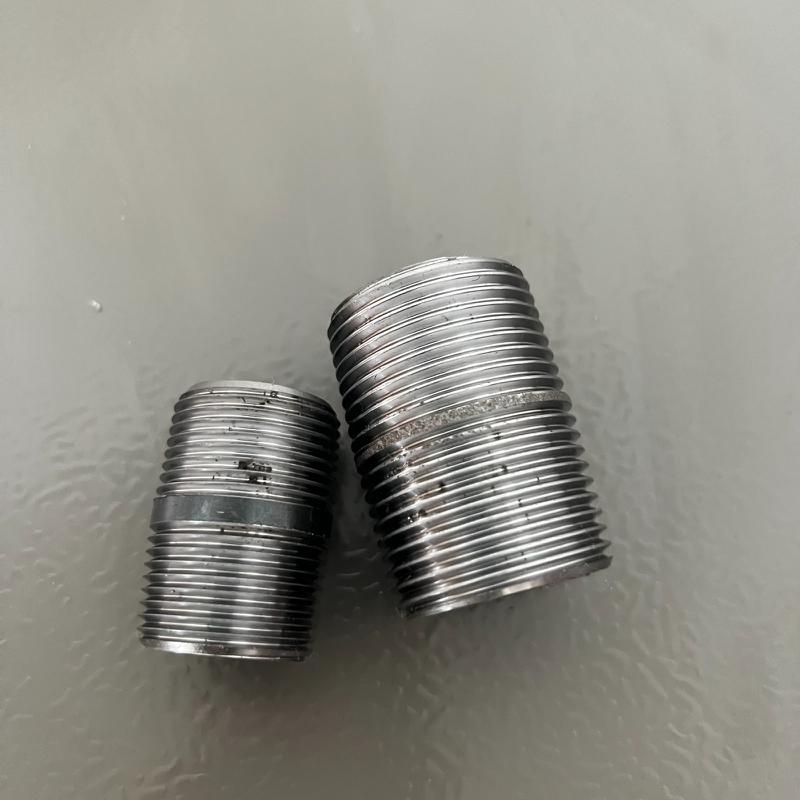
ISO 7-1 (Pressure-tight threads)
-
Tapered threads (R)
-
Used for sealing directly through threads
-
Common in gas and industrial pipelines
Equivalent to BSPT in many applications
(2) DIN Thread Standards
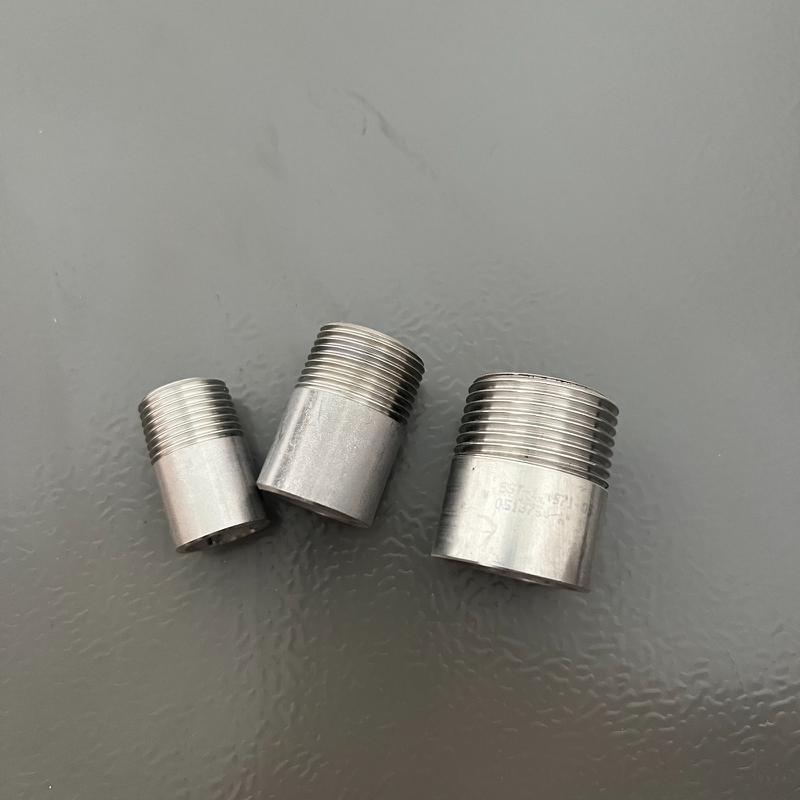
DIN 2999
-
German standard for tapered pipe threads
-
Technically aligned with ISO 7-1
-
Widely used in continental Europe
In practice: DIN 2999 ≈ ISO 7-1
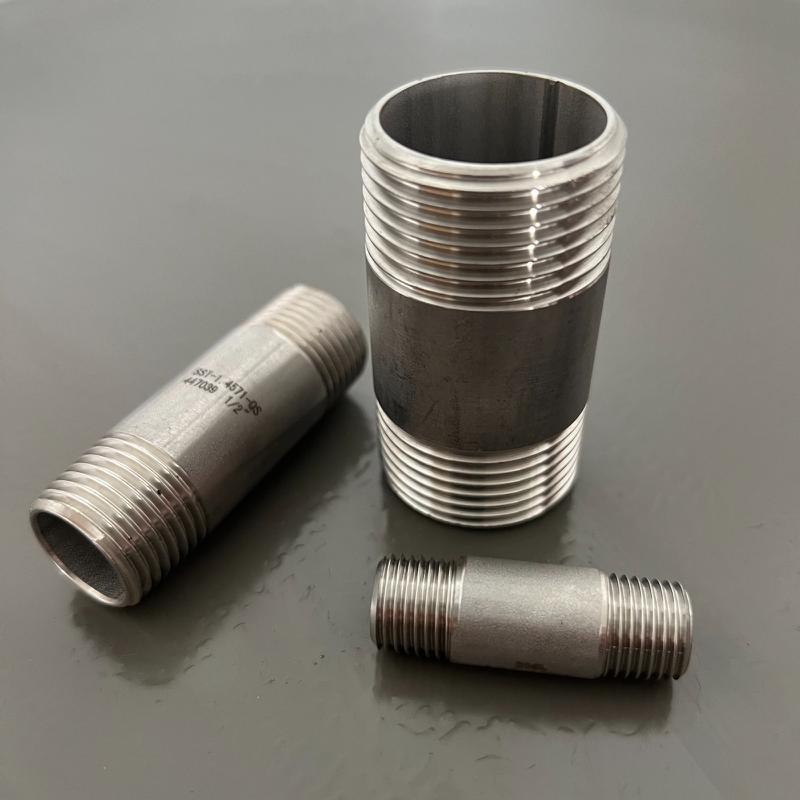
(3) BS Thread Standards (BSP)
BS 21
Defines BSP threads:
BSPT (Tapered)
-
Self-sealing
-
High-pressure use
BSPP (Parallel)
-
Requires gasket
-
Easy assembly
(4) Key Differences
| Standard | Thread Type | Sealing Method |
|---|---|---|
| ISO 7-1 | Tapered | Thread sealing |
| DIN 2999 | Tapered | Thread sealing |
| BS 21 (BSPT) | Tapered | Thread sealing |
| BS 21 (BSPP) | Parallel | Gasket sealing |
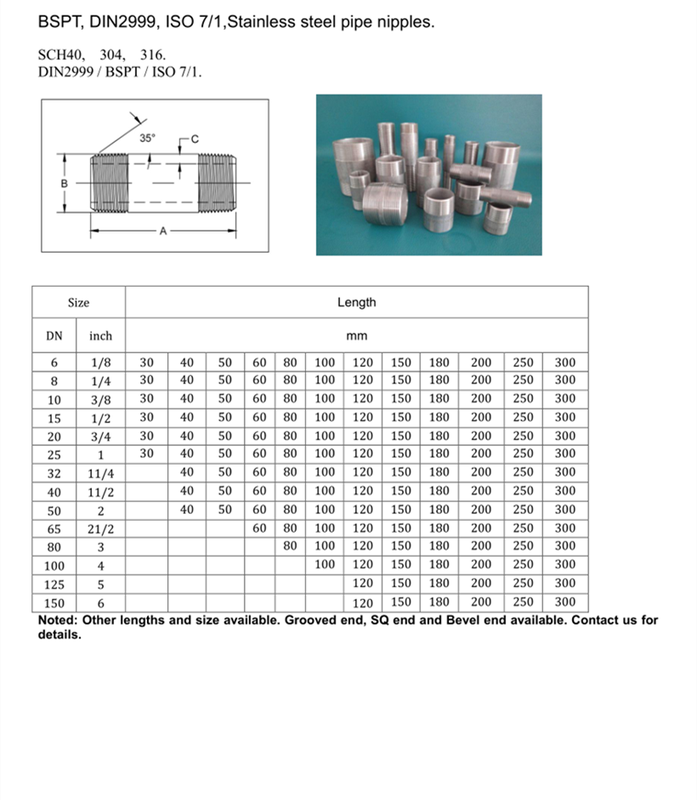
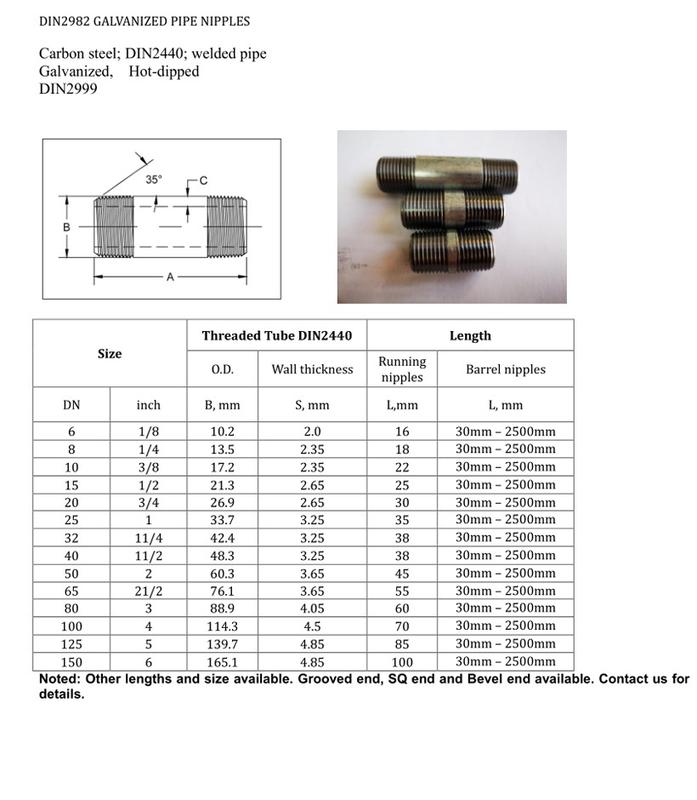
2. Material Standards for Pipe Nipples
This is where most buyers get confused:
ISO / DIN / BS mainly define dimensions and threads
Material standards are often defined under:
-
ASTM International
-
European Committee for Standardization (EN standards)
(1) DIN / EN Material Standards
DIN / EN equivalents:
-
EN 10255 → similar to BS1387
-
EN 10216 → pressure pipes
-
DIN EN 10025 → structural steel
Used widely in Europe for compliance
(2) BS Material Standards
-
BS 1387 → traditional steel pipes
-
Now mostly replaced by EN standards
(3) How Buyers Should Choose
Europe projects:
EN / DIN preferred
US or global:
ASTM preferred
Mixed projects:
Choose materials with dual certification
Click here to select suitable pipes for your industry and get the information you need!
3. Dimensional Standards
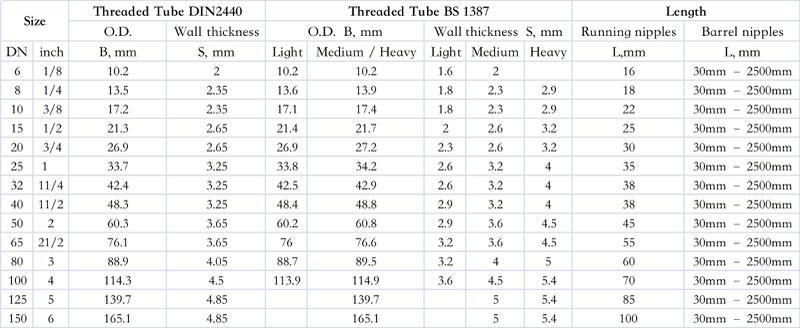
(1) DIN 2440
-
Defines pipe dimensions and thickness
-
Common in water, gas, and HVAC systems
-
Suitable for medium and low-pressure applications
(2) BS Dimensional Standards
BS 1387
-
Covers light, medium, and heavy pipes
-
Used for water, gas, and structural applications
Widely used before being gradually replaced by EN standards
(3) EN Standards
Material and dimensional standards in Europe are now largely unified under:
European Committee for Standardization (EN)
Common EN standards:
-
EN 10255 → Non-alloy steel pipes (similar to BS 1387)
-
EN 10216 → Pressure pipes
-
EN 10217 → Welded pipes
Conclusion
Understanding pipe standards is essential for correct selection:
Dimensional standards ensure fit
Thread standards ensure sealing
Material standards ensure performance
Choosing the right combination helps avoid leakage, incompatibility, and costly failures.