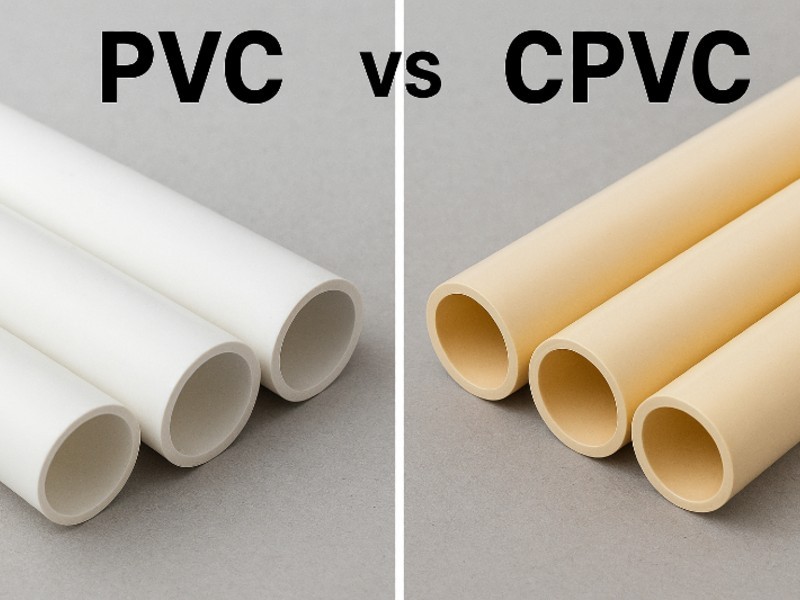
Why Proper Pipe and Fitting Sizing Matters
Selecting the right pipe and fitting size is crucial for gas pipeline systems. Incorrect sizing can lead to reduced flow, pressure drops, and even safety hazards.
In industrial and commercial applications, precise measurements ensure compliance with safety standards and optimize system efficiency.
Key Factors in Pipe Selection
When choosing pipes for gas pipelines, consider these factors:
-
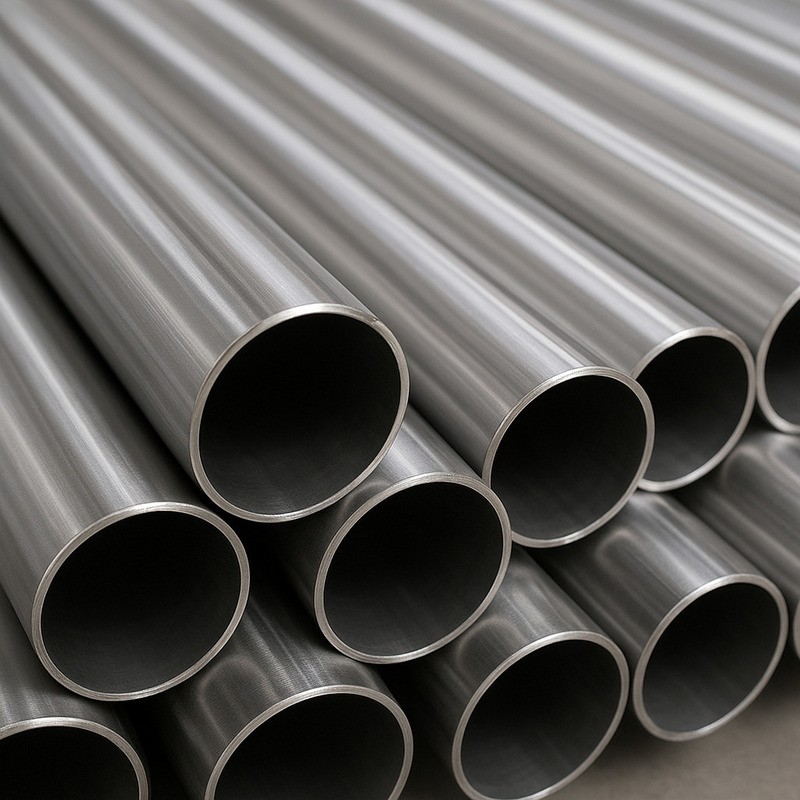
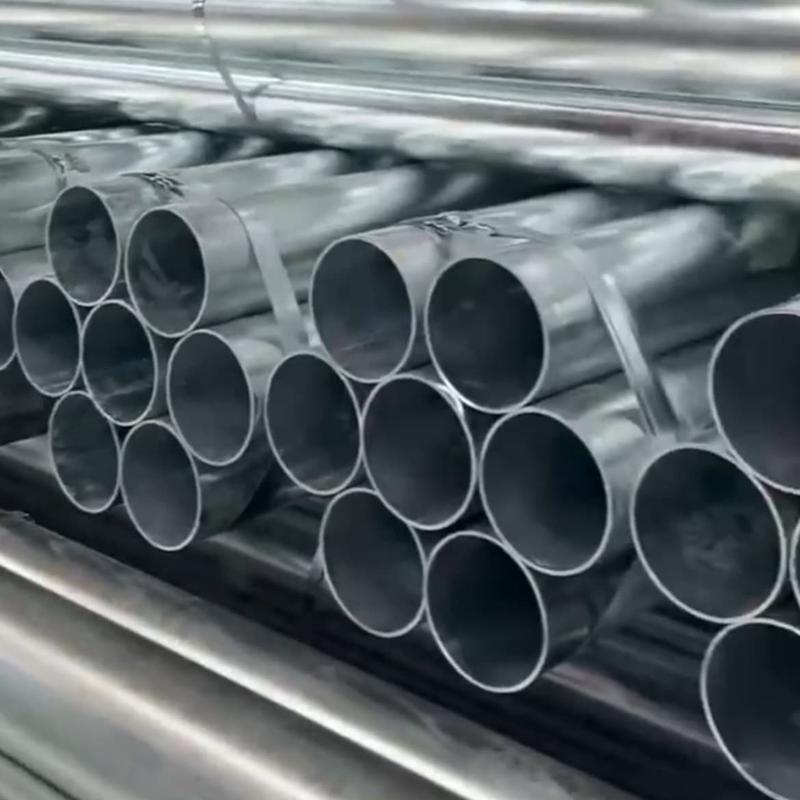
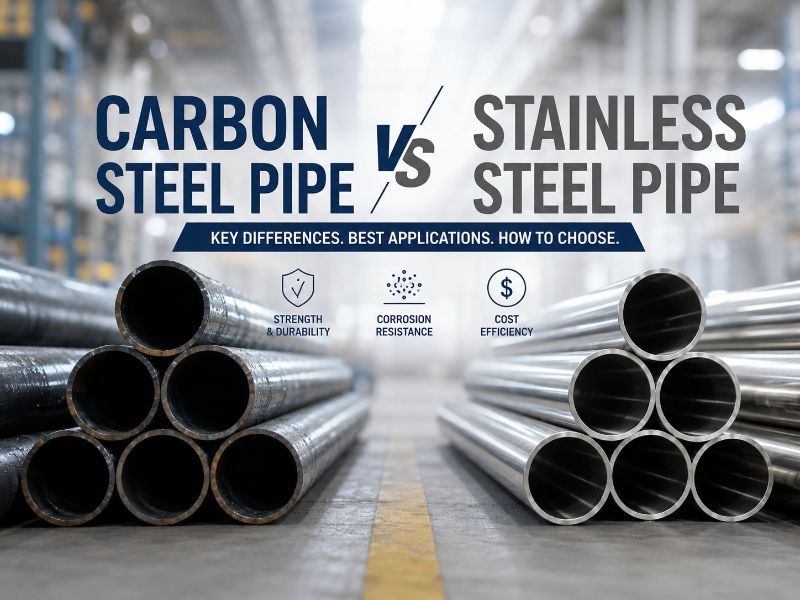
Material: Common options include galvanized steel, carbon steel, and stainless steel. Each offers different strengths, corrosion resistance, and service life.
-
Pipe Diameter: The diameter affects gas flow rate and pressure. Oversized pipes increase cost, while undersized pipes reduce efficiency.
-
Operating Pressure: Ensure the pipe can withstand the maximum system pressure.
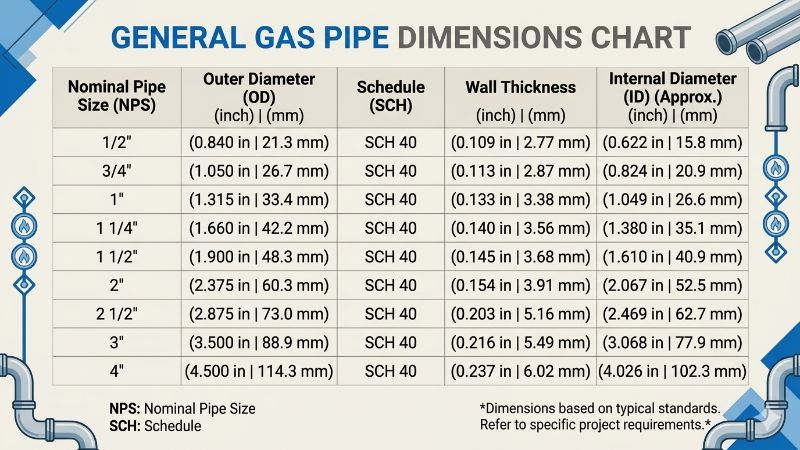
How to Choose Fitting Sizes
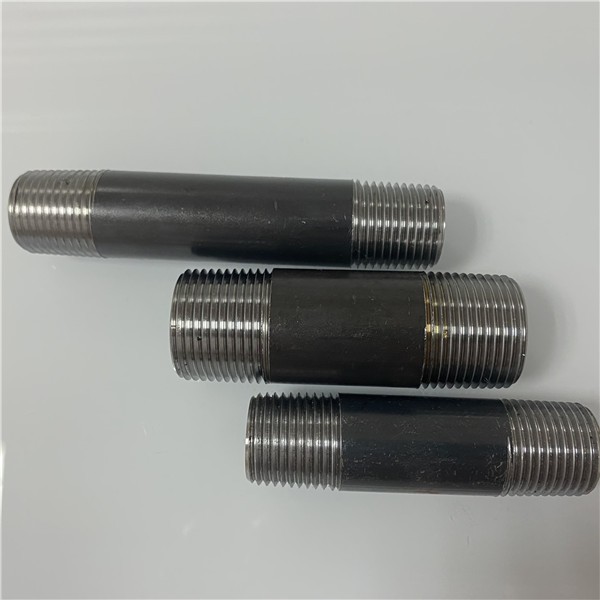
Fittings, such as elbows, nipples, couplings, and unions, must match pipe dimensions precisely. Consider:
-
Thread Type: NPT, BSPT, and BSPP threads are commonly used. Matching the thread type avoids leaks.
-
Compatibility: Ensure fittings material matches the pipe for thermal expansion and corrosion considerations.
-
Standard Compliance: Follow ASTM, ASME, or ISO standards for industrial gas systems.
Steps for Accurate Sizing
-
Calculate Flow Requirements: Determine the gas flow rate needed for your system.
-
Determine Pipe Diameter: Use flow charts or engineering software to select the optimal diameter.
-
Select Compatible Fittings: Ensure all elbows, couplings, and nipples match the chosen pipe size.
-
Verify Pressure Ratings: Check that pipes and fittings can handle the system’s maximum operating pressure.
Benefits of Correct Sizing
-
Safety: Reduces the risk of leaks and accidents.
-
Efficiency: Optimizes gas flow and minimizes pressure loss.
-
Cost Savings: Avoids overspending on oversized pipes and unnecessary fittings.
-
Compliance: Meets industry standards, ensuring smooth inspections and certifications.