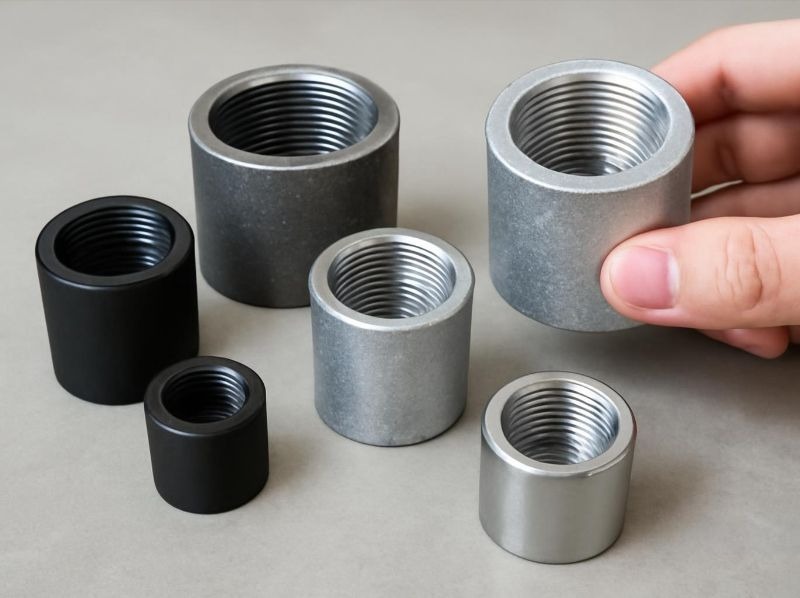
Select pipe couplings by NPS, not actual diameter. Avoid mistakes such as confusing NPT and BSP threads and overlooking pressure ratings. Always request material test reports for quality assurance.
Read More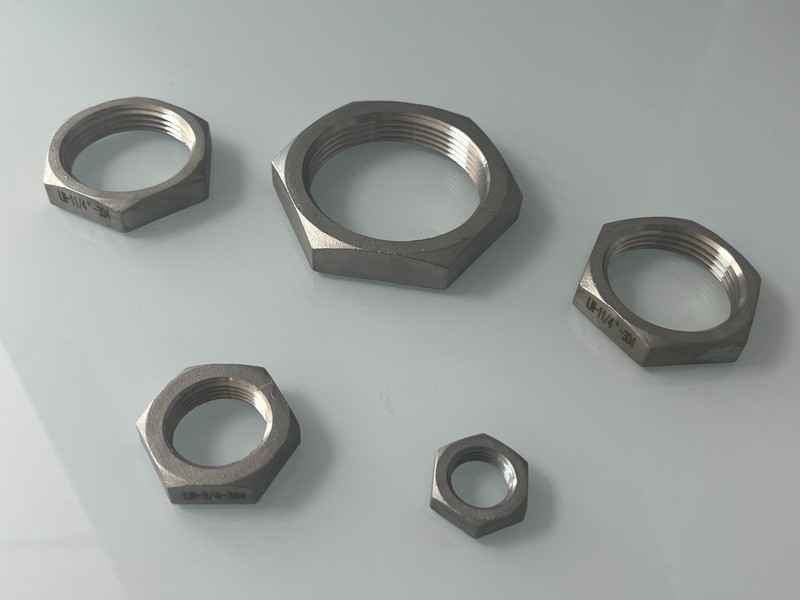
Hex nuts are vital fasteners. This guide outlines types, materials, and ordering tips, emphasizing the importance of avoiding common mistakes and requesting material test reports for quality assurance.
Read More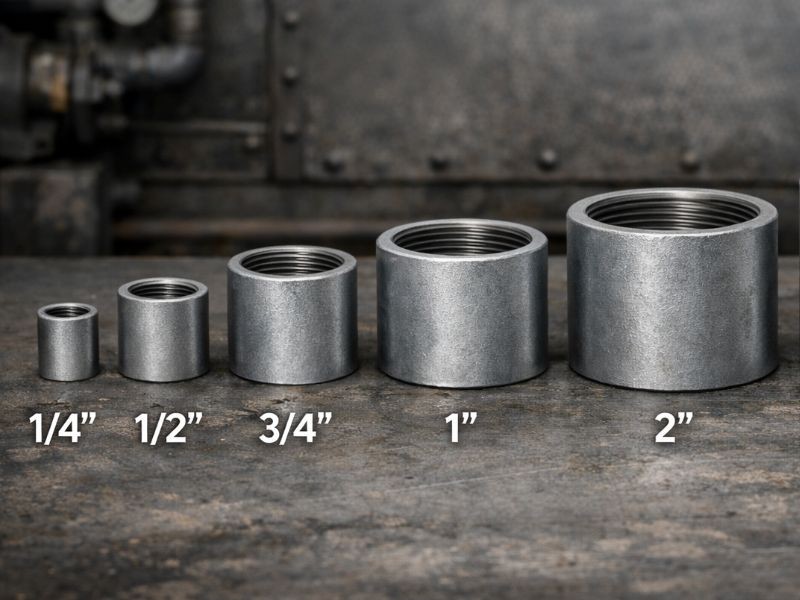
Pipe couplings provide a simple, reliable, and cost-effective solution for extending pipelines, performing maintenance, and adapting piping layouts across applications such as fire sprinkler systems, water supply networks, gas pipelines, and mechanical equipment piping.
Read More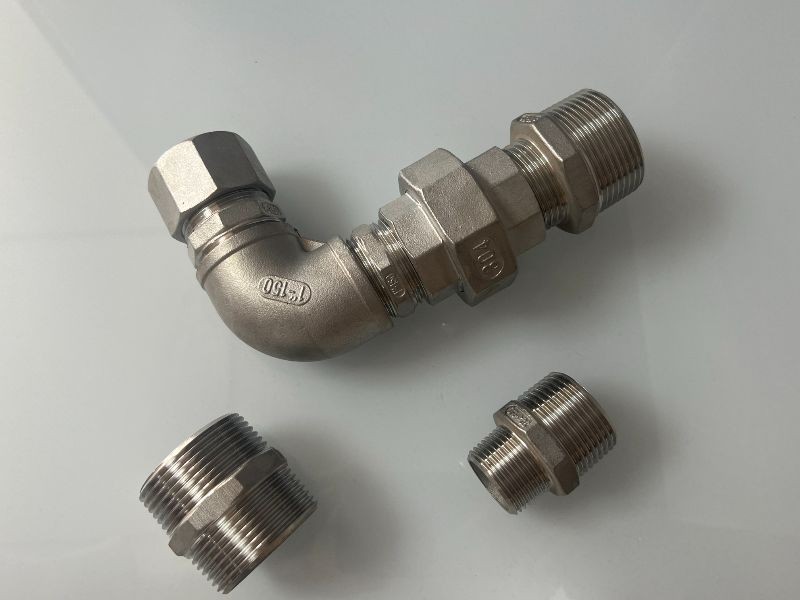
In industries like food processing, pharmaceuticals, and chemical handling, a poorly fitting material can lead to recalls, shutdowns, or costly maintenance. The stainless steel hex nipple, compact with threaded ends and a hexagonal body, is essential at instrument taps, sanitary branches, and chemical injection points.
Read More
This guide breaks down all essential steel pipe dimensions, OD, ID, NPS, DN, and wall thickness grades. You’ll learn how each dimension affects pipe compatibility, flow performance, pressure rating, and system design. This article helps you to understand every key measurement step by step.
Read More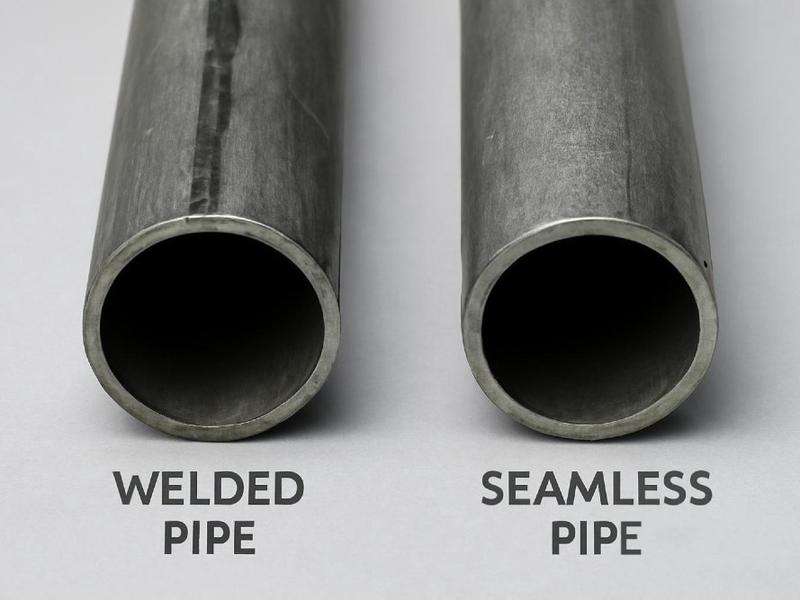
This article provides a comprehensive overview of seamless and welded steel pipes, including their manufacturing methods, strengths, limitations, and wall thickness options. It also outlines the key factors buyers must evaluate, such as material grades, pressure ratings, corrosion resistance, and production processes.
Read More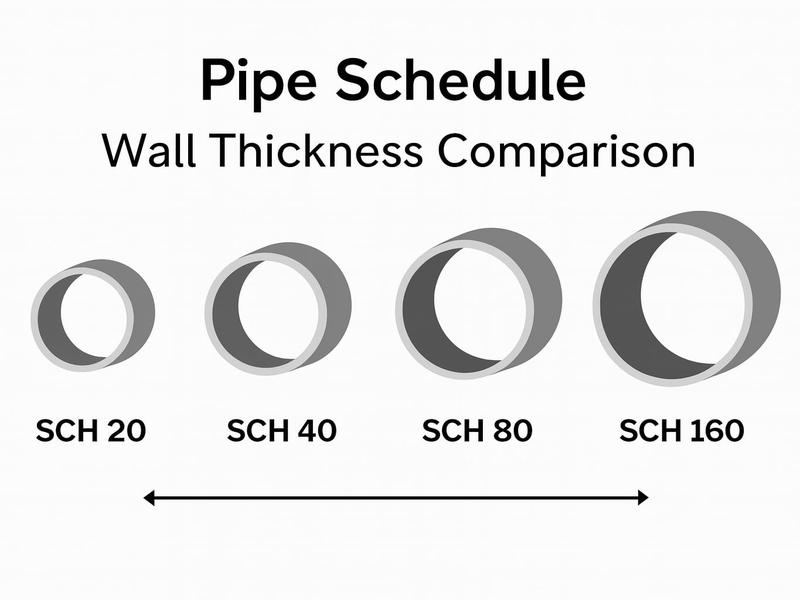
Pipe schedule is a numbering system that defines the wall thickness of steel pipes. Higher schedule numbers indicate thicker walls and greater pressure resistance. Schedule 40 is the most widely used medium-wall grade, applied in water, gas, and general industrial systems.
Read More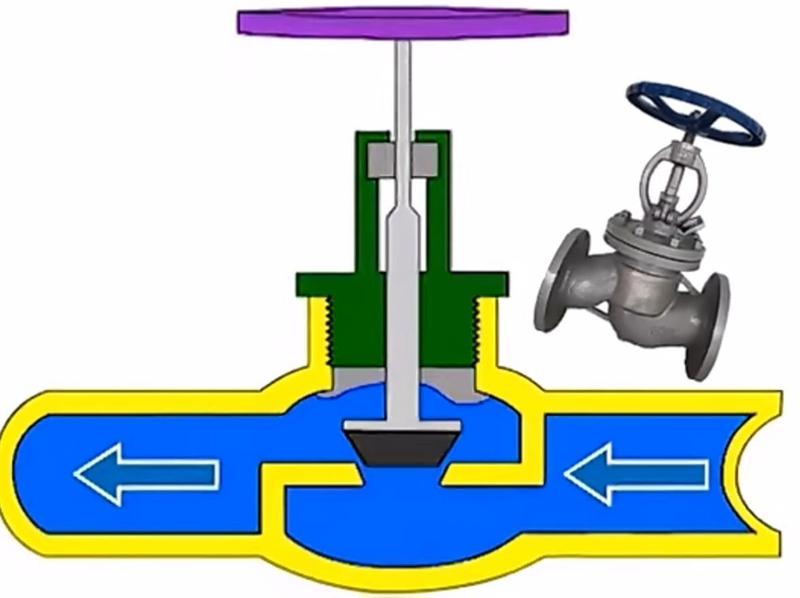
This article explains the basics of pipe pressure and flow rate, their relationship, and how pressure affects flow. It also provides a Schedule 40/80/160 pressure rating chart and outlines which valve types offer precise, moderate, or poor flow control, including when ball valves can be used for throttling.
Read More